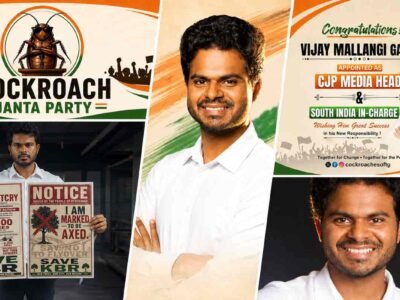

For nearly two months, the Cockroach Janata Party (CJP) dominated India’s political conversation. What began as a satirical response to a remark by Chief Justice of India Surya Kant quickly transformed into one of the country’s largest youth-led protest movements. Lakhs of students, job aspirants, and young professionals rallied behind demands for accountability, examination reforms, and the resignation of the Union Education Minister.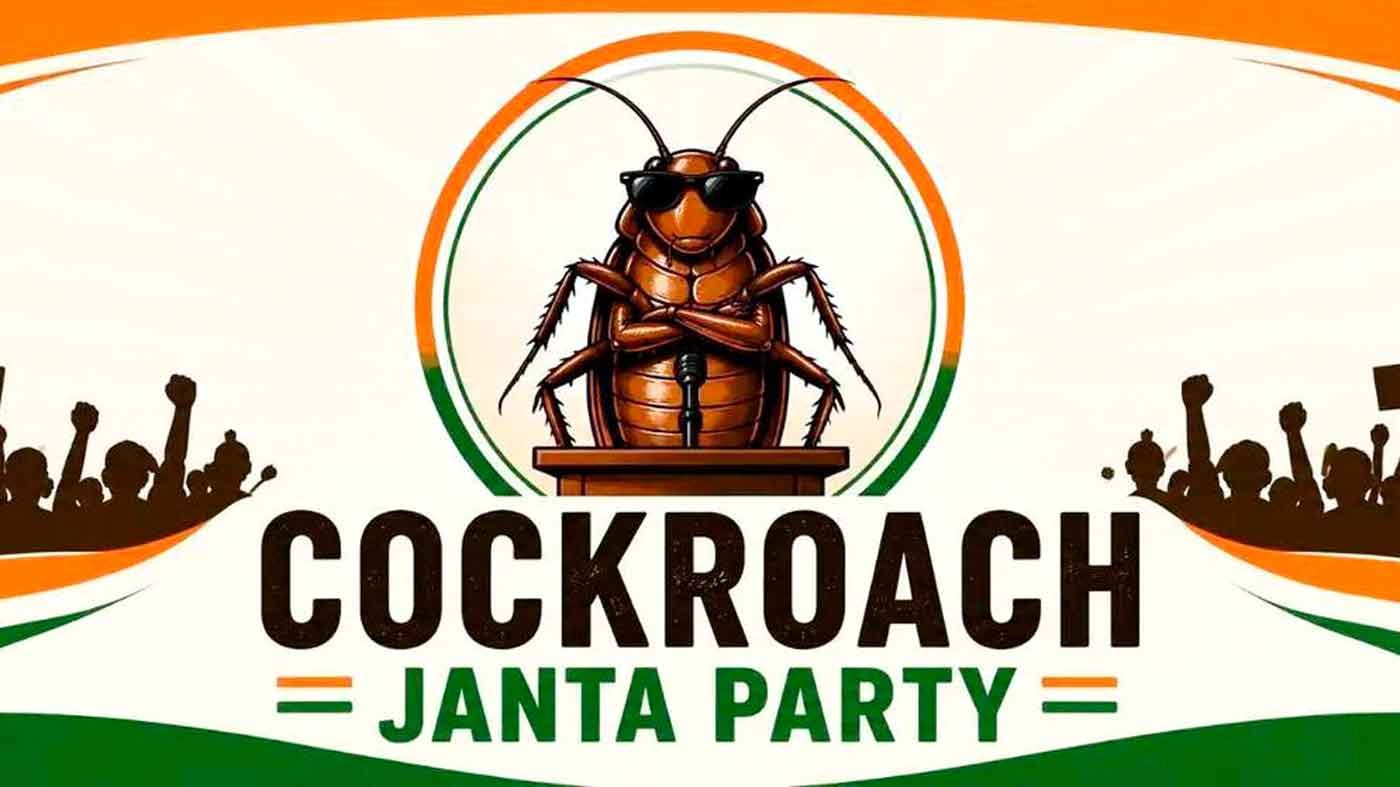
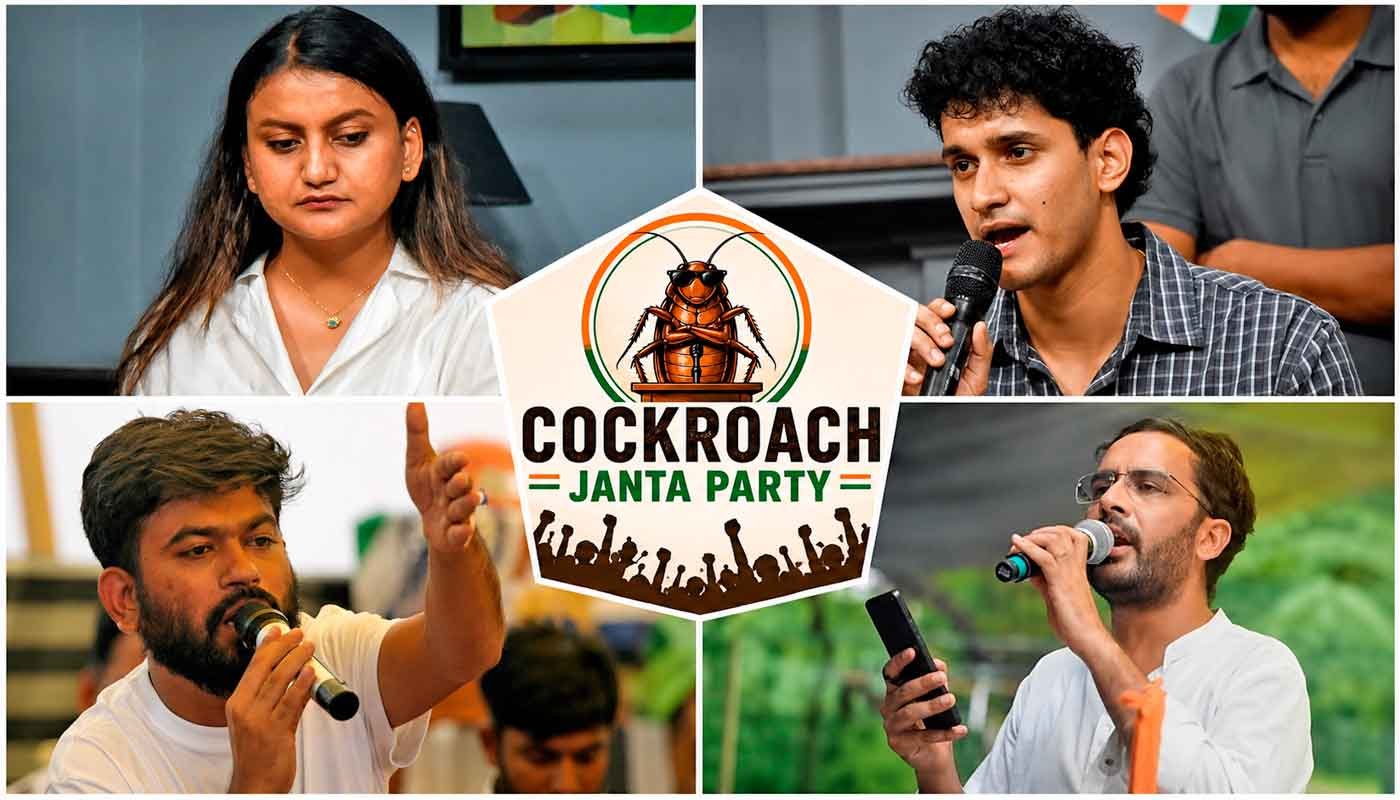
As the protests grew, so did the movement’s leadership. While thousands marched on the streets, a small group of individuals became the public faces of the CJP.
Here’s a look at the people who shaped the movement.
Abhijit Dipke: The IITian Who Sparked a Movement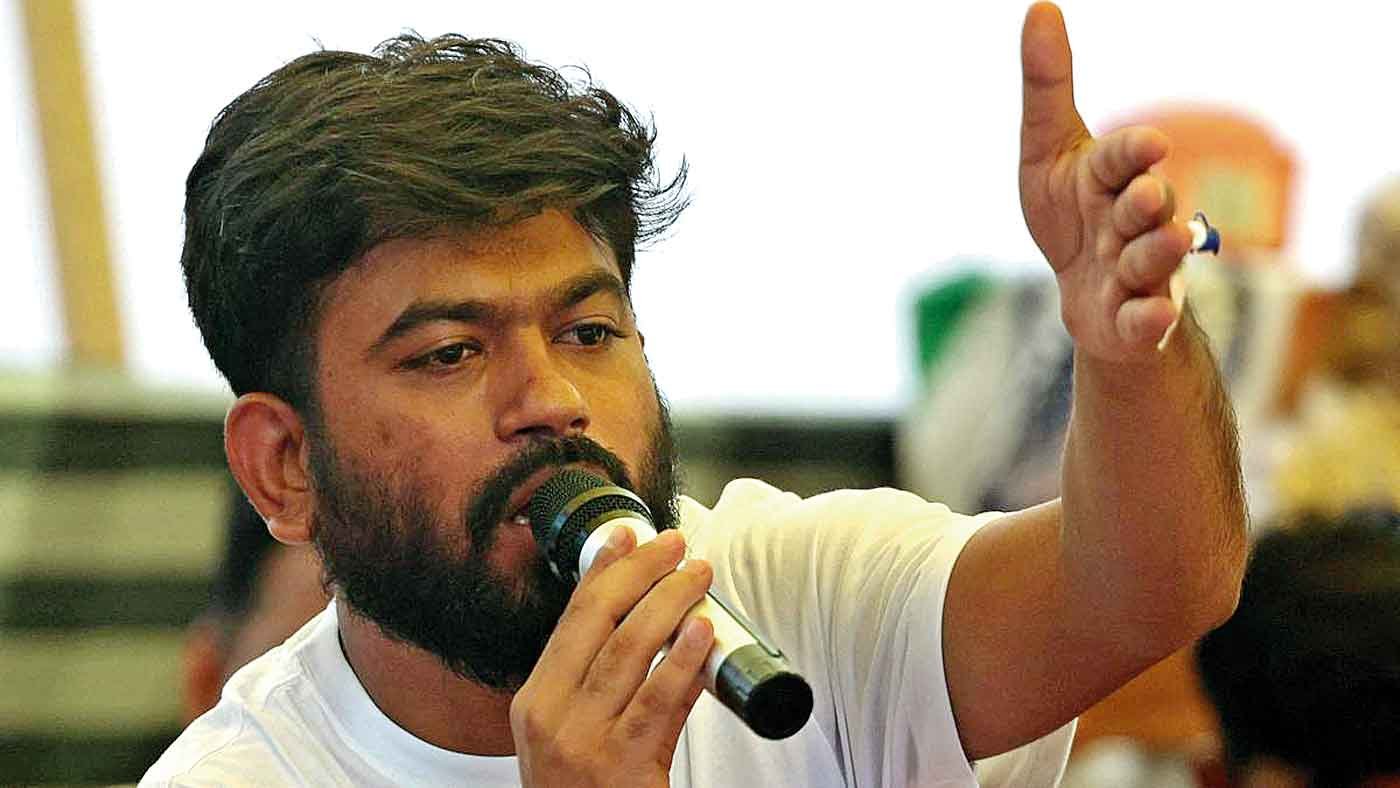
Abhijit Dipke never claimed to invent anger. He simply recognised it before anyone else. An IIT graduate, Dipke became the movement’s most recognisable face after transforming widespread frustration into a unified campaign. Through speeches, online outreach, and public mobilisation, he gave India’s disillusioned youth a common language and a common platform.
Rather than positioning himself as a traditional politician, Dipke repeatedly described himself as a facilitator. His ability to communicate with young Indians helped the movement expand far beyond social media.
Sourav Das: The Journalist Who Controlled the Narrative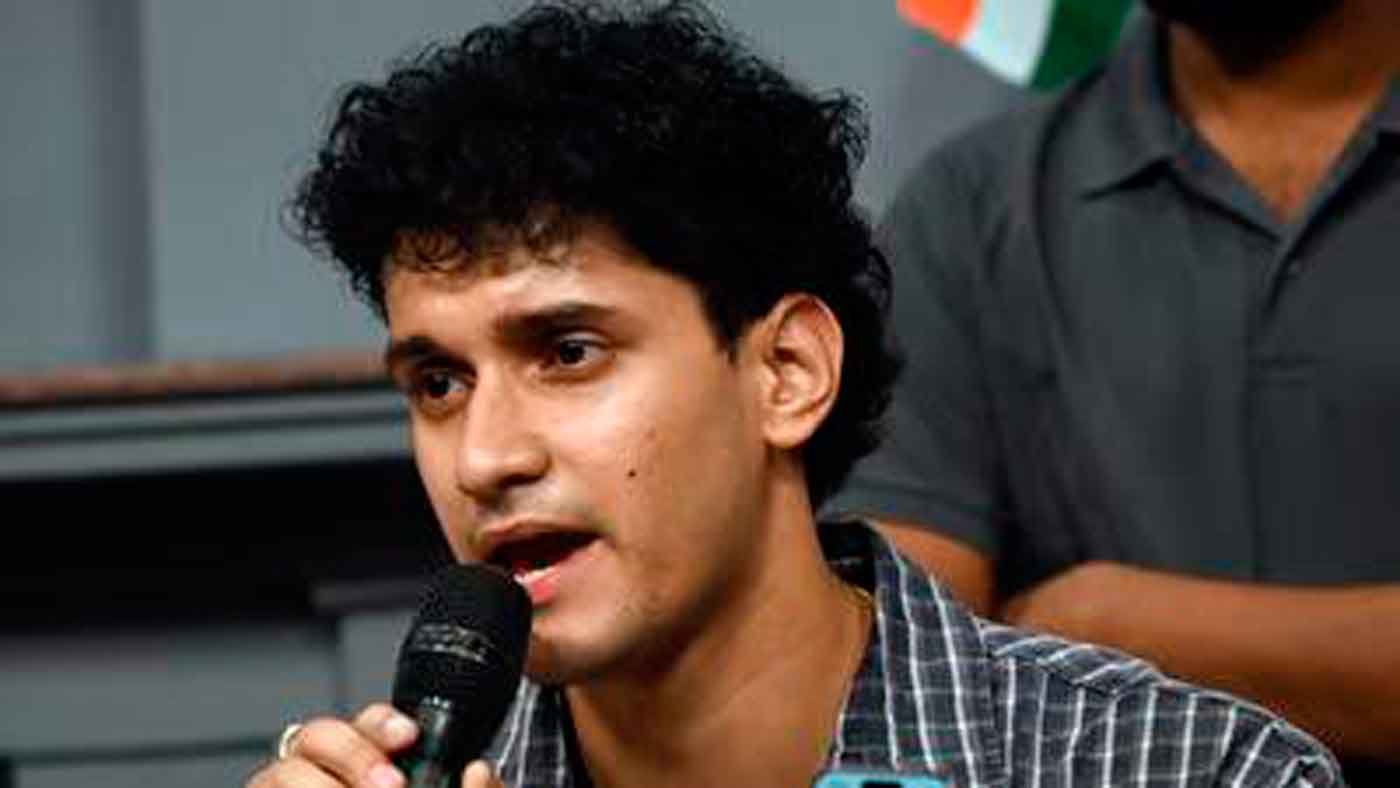
If Dipke mobilised people, Sourav Das ensured they stayed in the headlines. Before joining the CJP, Das built a reputation as an investigative journalist. He filed RTIs as a teenager and later published investigations in publications including The Caravan, The Hindu, The Wire, Al Jazeera, Article 14, and New Lines Magazine.
His understanding of journalism proved invaluable during the protests. He handled press interactions, explained the movement’s demands, and emerged as one of its strongest public communicators.
His popularity also took an unexpected turn online.
Supporters began calling him the “crush of the protest,” with countless social media posts praising both his articulate interviews and his appearance. Memes, edits, and fan pages flooded Instagram and X, turning him into an unlikely internet sensation alongside his role as the movement’s spokesperson.
Ashutosh Ranka: The Policy Mind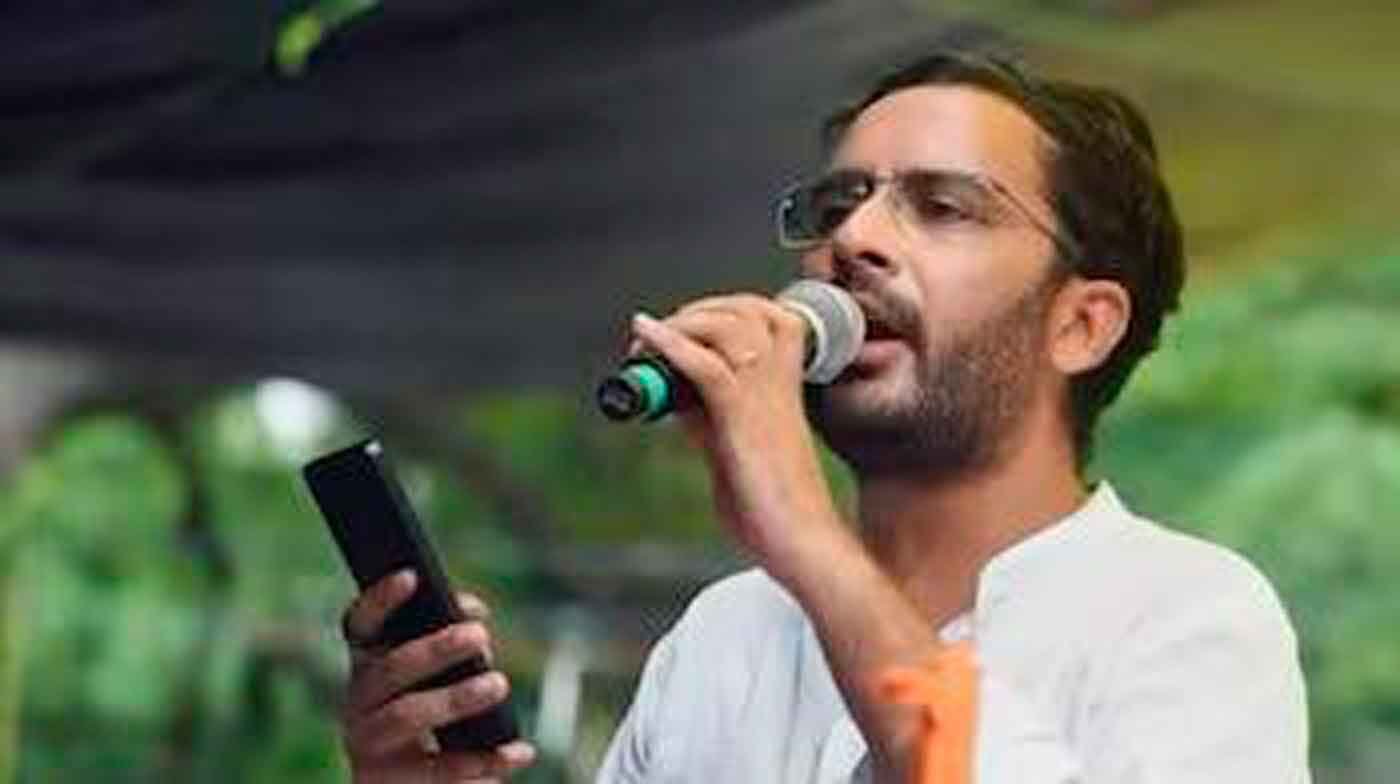
Every movement needs someone who understands institutions. For the CJP, that person was Ashutosh Ranka.
While Dipke energised crowds and Das managed public messaging, Ranka focused on governance and policy. He became one of the principal negotiators during meetings with Union ministers, presenting the movement’s demands with legal and administrative clarity.
His speeches consistently shifted attention from emotion to policy, arguing that examination reforms required structural rather than symbolic change.
Ratna Singh: The Legal Voice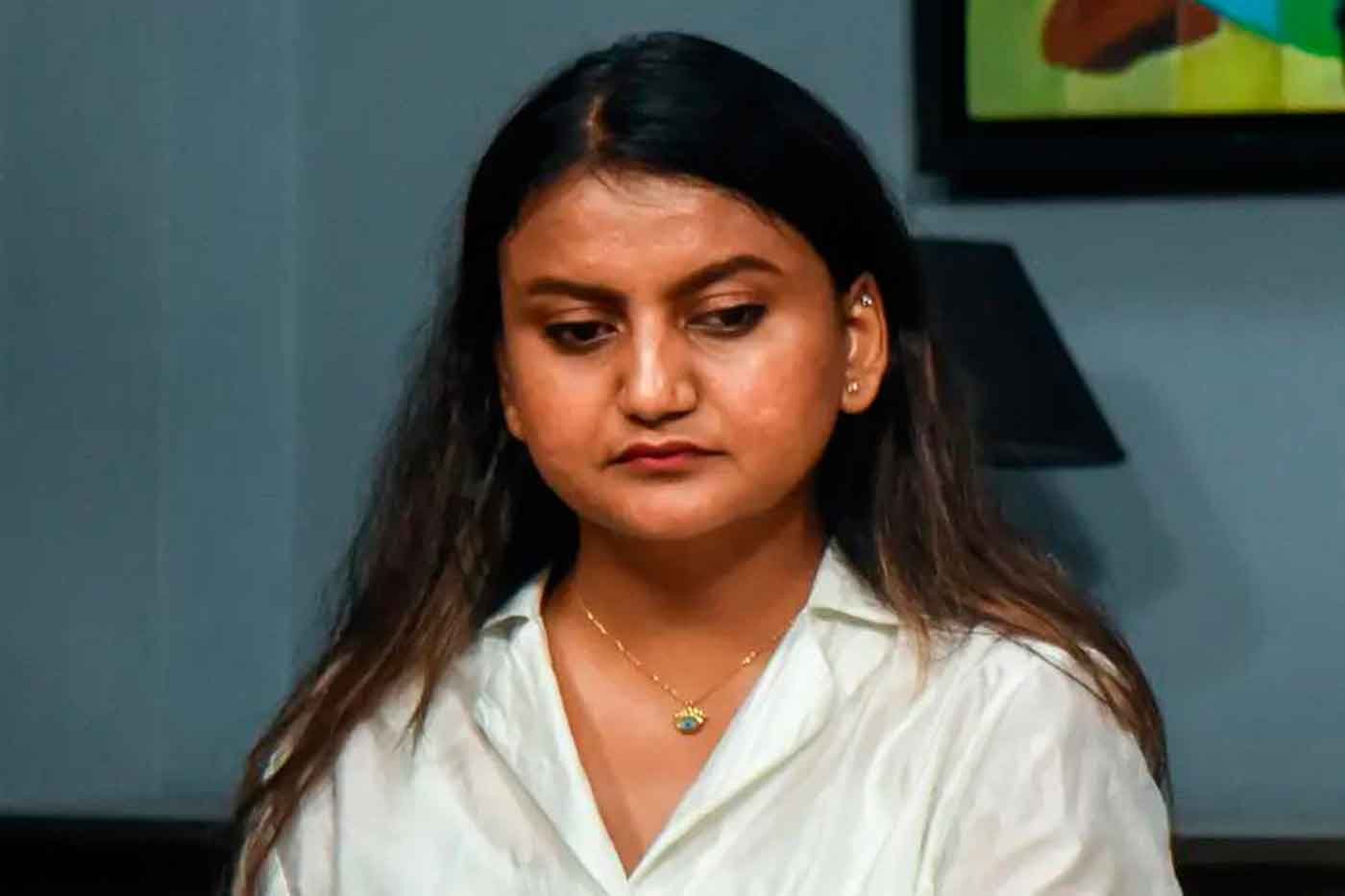
As arrests mounted and legal battles intensified, Ratna Singh emerged as one of the movement’s most influential figures. With experience spanning journalism, law, and constitutional advocacy, she became the bridge between courtroom arguments and public mobilisation.
She frequently explained protesters’ legal rights, challenged cases filed against activists, and reinforced the movement’s constitutional basis. Her presence gave the protests added credibility during one of their most challenging phases.
More Than a Protest
The Cockroach Janata Party grew because it combined different strengths under one banner. An IITian who understood mobilisation. A journalist who shaped public opinion. A policy expert who negotiated with the government. A lawyer who defended constitutional rights.
Whether history ultimately remembers the CJP as a protest movement, a political experiment, or a turning point in youth activism, one thing remains clear.
Movements may begin with anger. But they grow because people step forward to organise it.