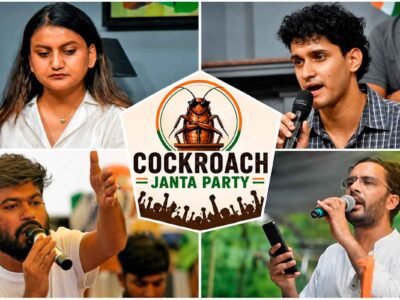

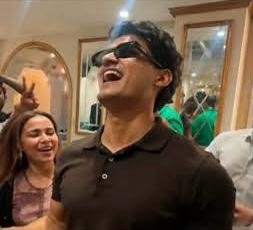
A viral video of Cockroach Janata Party leaders dancing after Union Education Minister Dharmendra Pradhan’s resignation pushed one name back into the national spotlight.
Sourav Das.
Some criticised the celebrations after weeks of protests and police action. Others defended them. Das simply called it “the language of Gen Z.” Today, he is one of the most recognisable faces of India’s student movement. But long before the protests, Das had already built a career asking uncomfortable questions.
An Investigative Journalist Before Becoming a Political Spokesperson
Based in Delhi, Sourav Das studied Journalism and Mass Communication at Amity University between 2016 and 2019. His interest in investigative reporting started remarkably early.
At just 18 years old, he began filing Right to Information (RTI) applications to obtain government records. That curiosity soon evolved into investigative journalism.
By 2020, his work had appeared in publications including The Caravan, Article 14, Al Jazeera, The Wire, The Hindu, and New Lines Magazine. Rather than relying on anonymous sources alone, Das became known for building stories through official documents, RTIs, court filings, and government records.
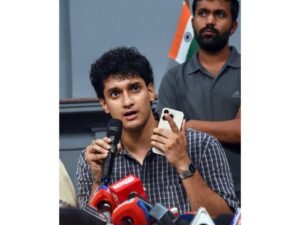
Questioning the Government During COVID-19
During the COVID-19 pandemic, Das sought records related to the development and privacy safeguards of the Aarogya Setu contact-tracing application.
When authorities failed to disclose the requested documents, he approached the Delhi High Court, raising wider questions about transparency, digital surveillance, and citizens’ right to information.
Investigating Police Encounter Killings
In 2024, Das worked on one of his most widely discussed investigations. The project examined 10 police encounter killings in Uttar Pradesh.
The investigation reportedly analysed over 2,000 official documents, comparing police narratives with forensic evidence and raising questions about inconsistencies in several cases. The investigation strengthened his reputation as a reporter willing to challenge official accounts using documentary evidence.
From Journalist to Protest Organiser
Das gradually became more involved in public activism. In November 2025, he helped organise an anti-pollution protest near India Gate in Delhi.
Police later detained several demonstrators after the protest continued despite restrictions. The experience would become one of many moments that shaped his transition from journalism into organised public activism.
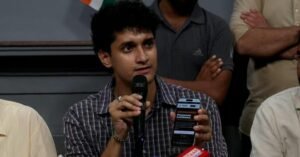
The Face of the Cockroach Janata Party
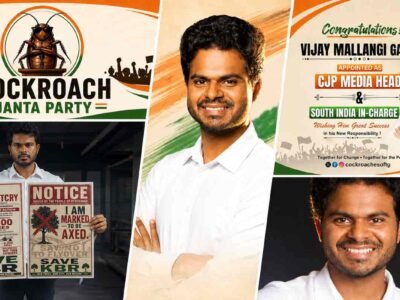
Everything changed in June 2026. The satirical but politically active Cockroach Janata Party (CJP) appointed Sourav Das as its Chief Spokesperson.
As nationwide outrage over examination paper leaks intensified, Das quickly became one of the movement’s most recognisable public voices. Alongside fellow spokesperson Ashutosh Ranka, he represented the movement during discussions with Union ministers.
Speaking after one of the meetings, Das said:
“The meeting took place in a cordial atmosphere. We told them about our three main demands.”
According to him, the most important demand remained unchanged:
“Dharmendra Pradhan’s resignation or removal from the Cabinet.”
The delegation also demanded compensation for affected families and withdrawal of police cases filed against protesters.
Celebrating After Victory
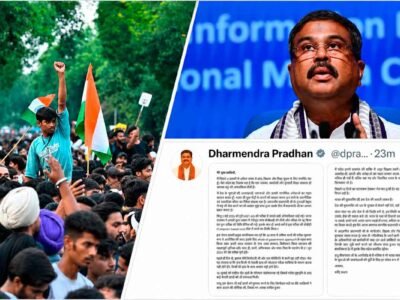
After Dharmendra Pradhan resigned on 25 July, the Cockroach Janata Party announced that it was suspending its nationwide protests, stating that the government had responded to its key demands.
Soon afterwards, videos of CJP members dancing and celebrating spread rapidly across social media. Critics accused the movement of trivialising a serious struggle. Das defended the celebrations.
He argued that young activists should not be expected to express themselves according to older political traditions. For him, protesting, negotiating, and celebrating were all legitimate parts of democratic participation.
The ‘Crush of the Protest’
Politics wasn’t the only thing dominating conversations online. As Das appeared in interviews, negotiations, and press conferences, social media users began calling him the “crush of the protest.”
Instagram reels, memes, edits, and X posts praised everything from his calm speaking style to his appearance. Many users joked that they had arrived for political updates but stayed because of the spokesperson. Others admired the combination of investigative journalism, articulate public speaking, and composed leadership during tense negotiations.
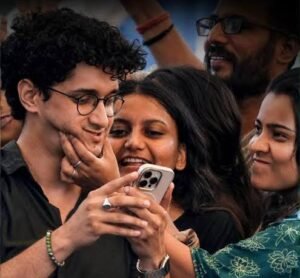
The nickname spread rapidly across social media, becoming one of the movement’s lighter viral moments amid weeks of intense demonstrations.
A Different Kind of Political Figure
Whether viewed as an activist, journalist, or political organiser, Sourav Das represents a newer style of public leadership. He built his reputation through RTIs rather than television debates.
He entered politics through investigative reporting rather than party structures. And during one of India’s largest youth-led movements, he became both a negotiator at the table and an unexpectedly viral face online.
Love him or disagree with him, Sourav Das has become one of the defining public figures of India’s student protest movement, and one whose journey reflects how journalism, activism, and digital culture increasingly intersect in modern politics.