

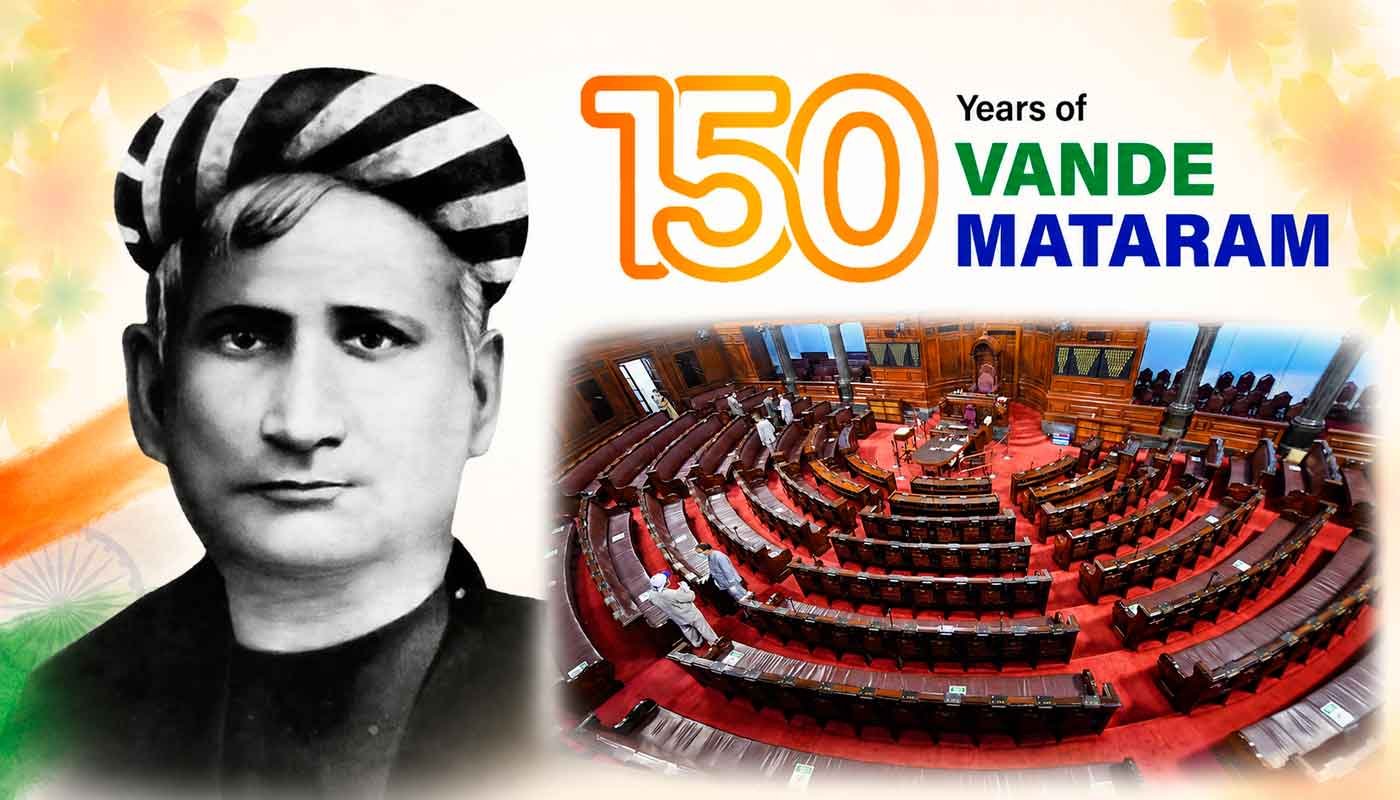
India’s national song is more than a melody. It carries the memory of the freedom movement, the sacrifices of countless revolutionaries, and a shared identity that has united generations. Recognising that significance, the Rajya Sabha has passed the Prevention of Insults to National Honour (Amendment) Bill, 2026, granting Vande Mataram the same statutory protection as the national anthem, Jana Gana Mana.
The Bill was passed by voice vote after being introduced in the House on July 24. The move comes as India marks the 150th anniversary of Vande Mataram.
What Does the Bill Do?
The amendment extends legal protection to Vande Mataram, making deliberate insults or acts that dishonour the national song a punishable offence under the law.
Until now, the Prevention of Insults to National Honour Act primarily protected the national anthem and the National Flag. The amendment places the national song on the same legal footing, recognising its historical and cultural importance.
Why Vande Mataram Holds a Special Place
Written by Bankim Chandra Chattopadhyay in the novel Anandamath, Vande Mataram became one of the defining slogans of India’s freedom struggle.
Freedom fighters marched to it. Revolutionaries raised it before facing imprisonment. Ordinary citizens turned it into a symbol of resistance against colonial rule.
Even today, its words continue to evoke patriotism across generations.
A Symbol That Transcends Differences
India is home to hundreds of languages, countless cultures, and diverse religious traditions. Those differences enrich the country. At times, however, they also become sources of division.
National symbols often do the opposite. They remind citizens that, despite political disagreements, regional identities, or religious differences, they belong to the same nation. Vande Mataram has remained one of those unifying symbols for well over a century.
Protecting that shared heritage is a responsibility, not merely a legal exercise.
National Honour Deserves Protection
Freedom of expression remains a cornerstone of democracy. At the same time, every nation protects symbols that represent its constitutional identity and collective history. Extending legal safeguards to Vande Mataram reflects the belief that national symbols deserve dignity and respect.
For many, the amendment is less about restricting speech and more about preserving a song that helped shape India’s journey to independence.
As India celebrates 150 years of Vande Mataram, the legislation sends a clear message: the country’s shared symbols remain an important part of its collective identity and deserve to be treated with the respect they have earned through history.