

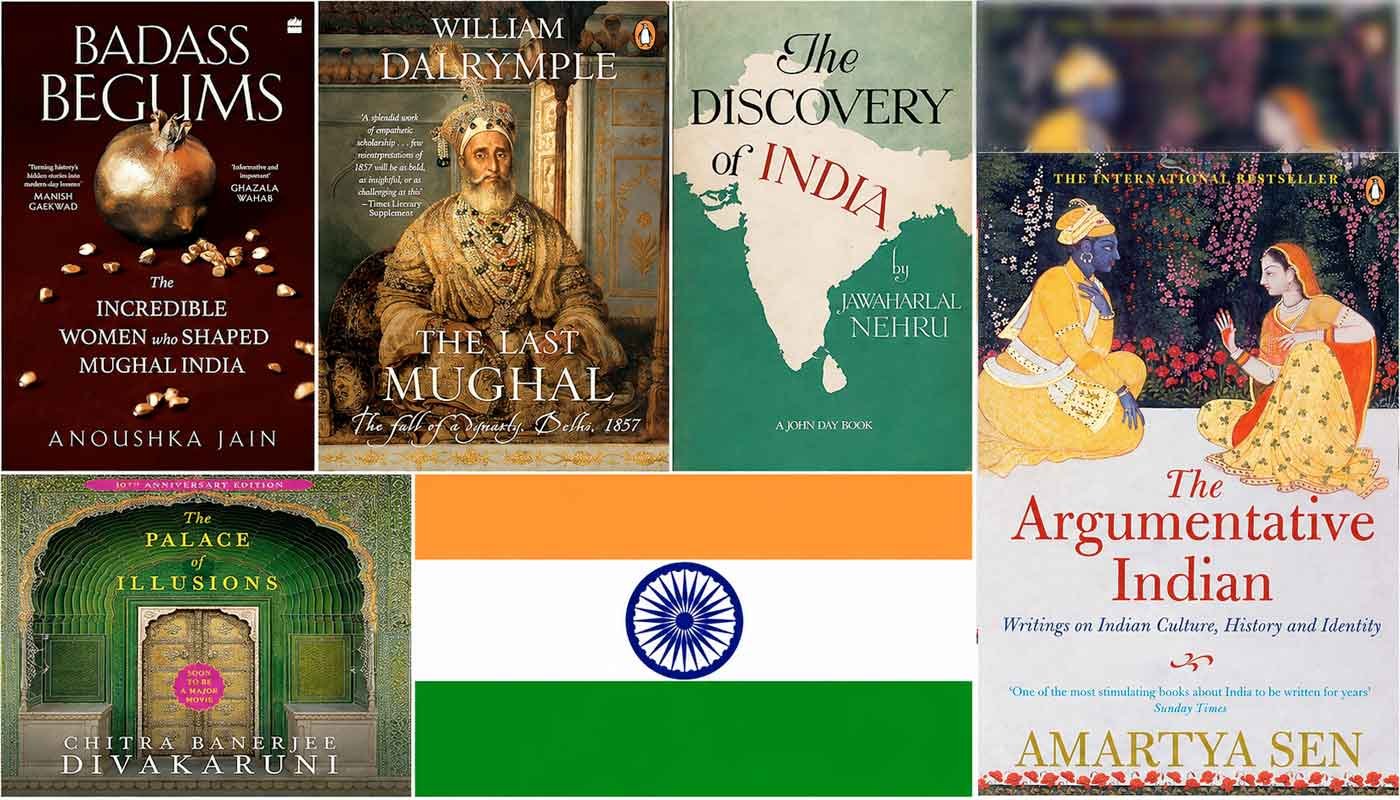
Some books entertain. Others leave readers with a completely different understanding of the world around them.
India’s story stretches across thousands of years, countless civilizations, empires, philosophies, revolutions, and remarkable individuals. Yet, some writers have managed to capture these vast histories in ways that challenge assumptions, recover forgotten voices, and encourage readers to rethink everything they believed they knew about the country. Whether through history, politics, mythology, or biography, these books continue to shape conversations about India’s past and present.
Here are five books that continue to change how we think about India.
The Argumentative Indian — Amartya Sen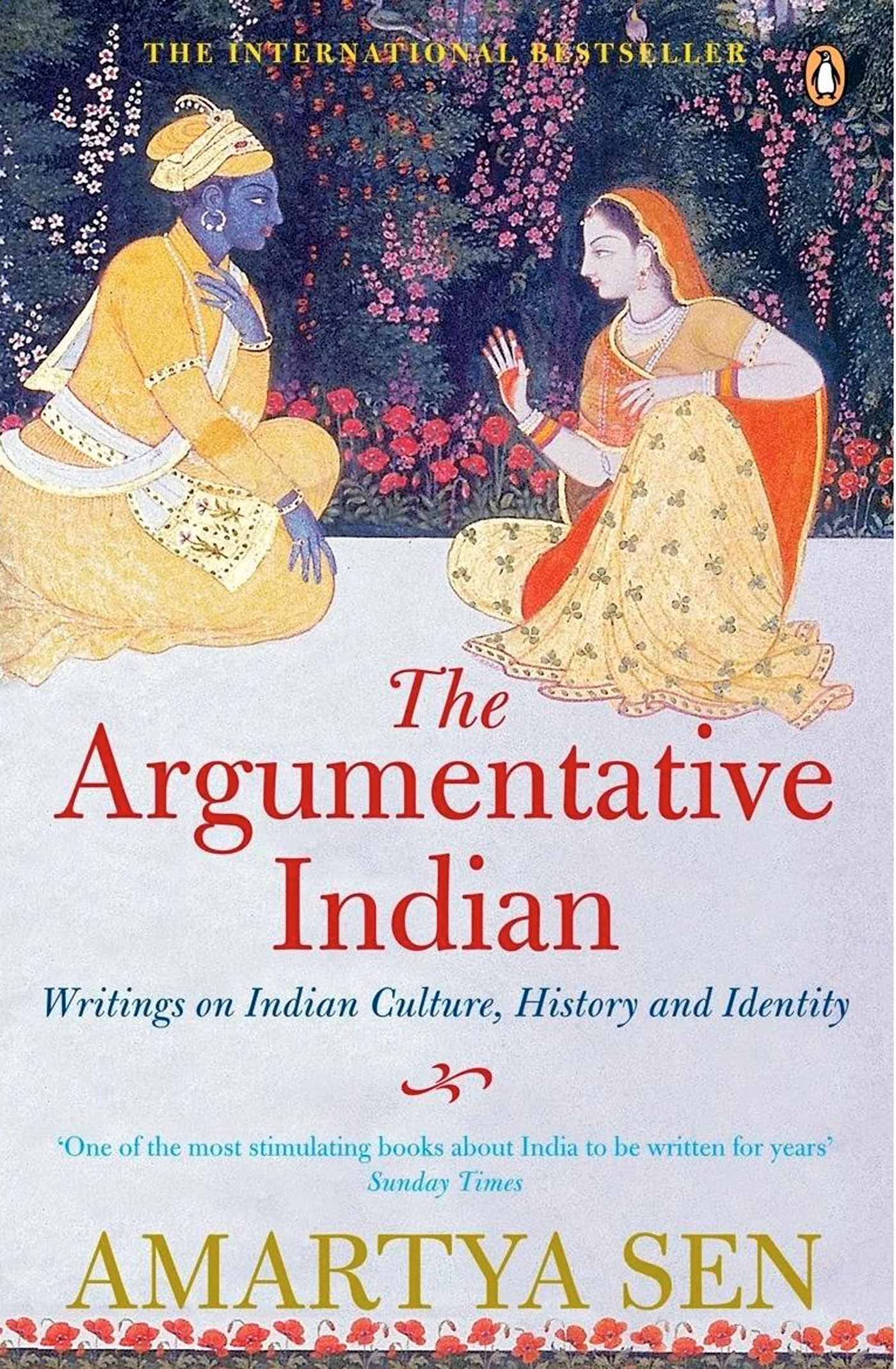
Nobel laureate Amartya Sen dismantles one of the most persistent stereotypes about India—that it is a civilization built solely on tradition and unquestioned authority. Through essays spanning philosophy, politics, religion, literature, and history, Sen argues that debate and intellectual disagreement have always been central to Indian civilization. Drawing from figures as diverse as Emperor Ashoka, Akbar, Buddha, and Rabindranath Tagore, he presents India as a nation shaped by dialogue rather than dogma. The book offers a powerful reminder that democracy, secularism, and public reasoning have deep roots in the subcontinent, making it essential reading for anyone trying to understand modern India’s complexity.
The Discovery of India — Jawaharlal Nehru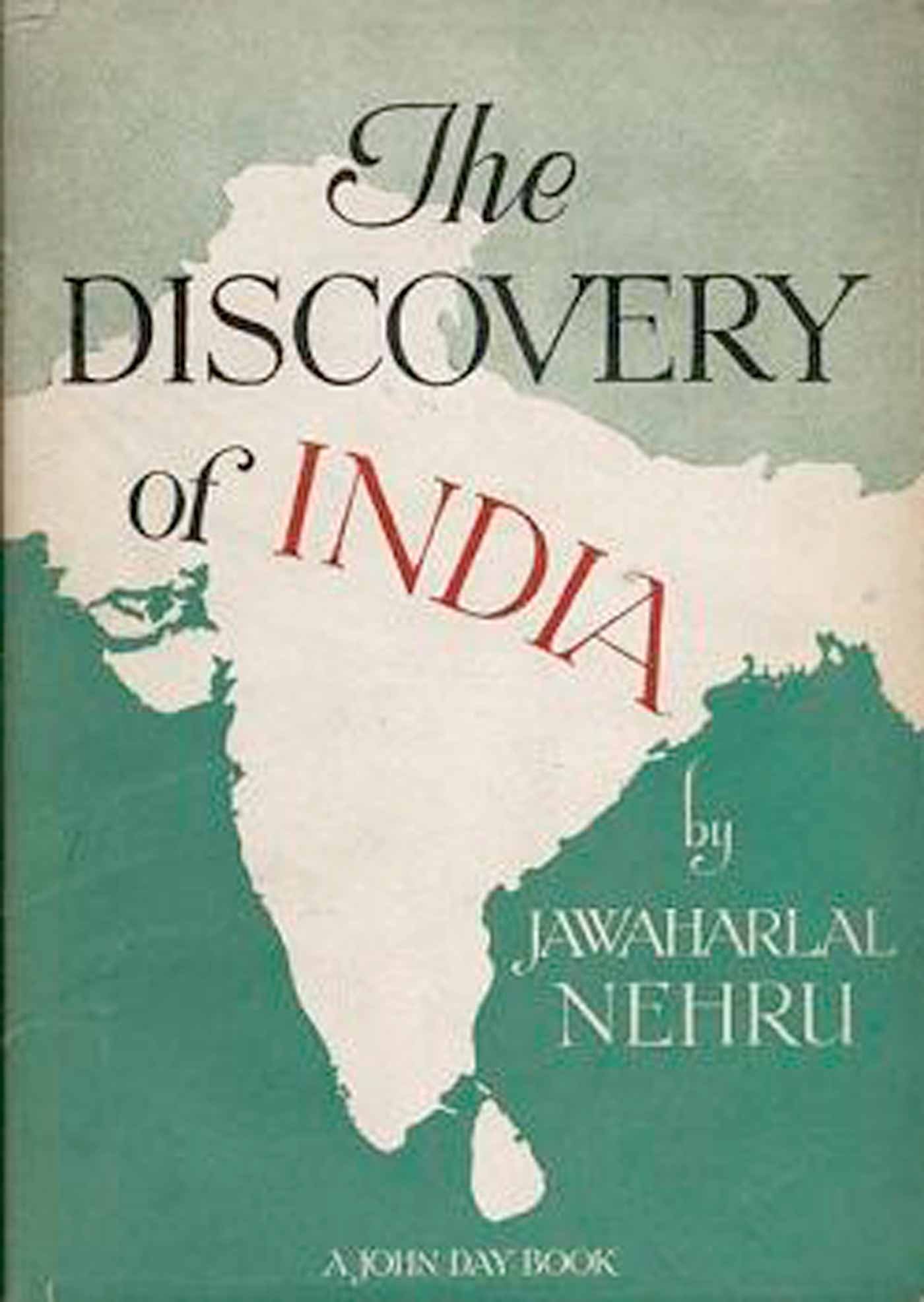
Written while imprisoned during India’s freedom movement, Jawaharlal Nehru’s The Discovery of India remains one of the most influential books ever written about the nation. Blending history, philosophy, culture, and personal reflection, Nehru traces India’s journey from the Indus Valley Civilization to the independence movement, exploring the ideas and traditions that shaped its identity. Rather than simply recounting historical events, he reflects on India’s remarkable ability to absorb diverse cultures while maintaining a continuous civilizational thread. Decades after its publication, the book continues to serve as both a historical document and a deeply personal meditation on what India represents.
Badass Begums — Anoushka Jain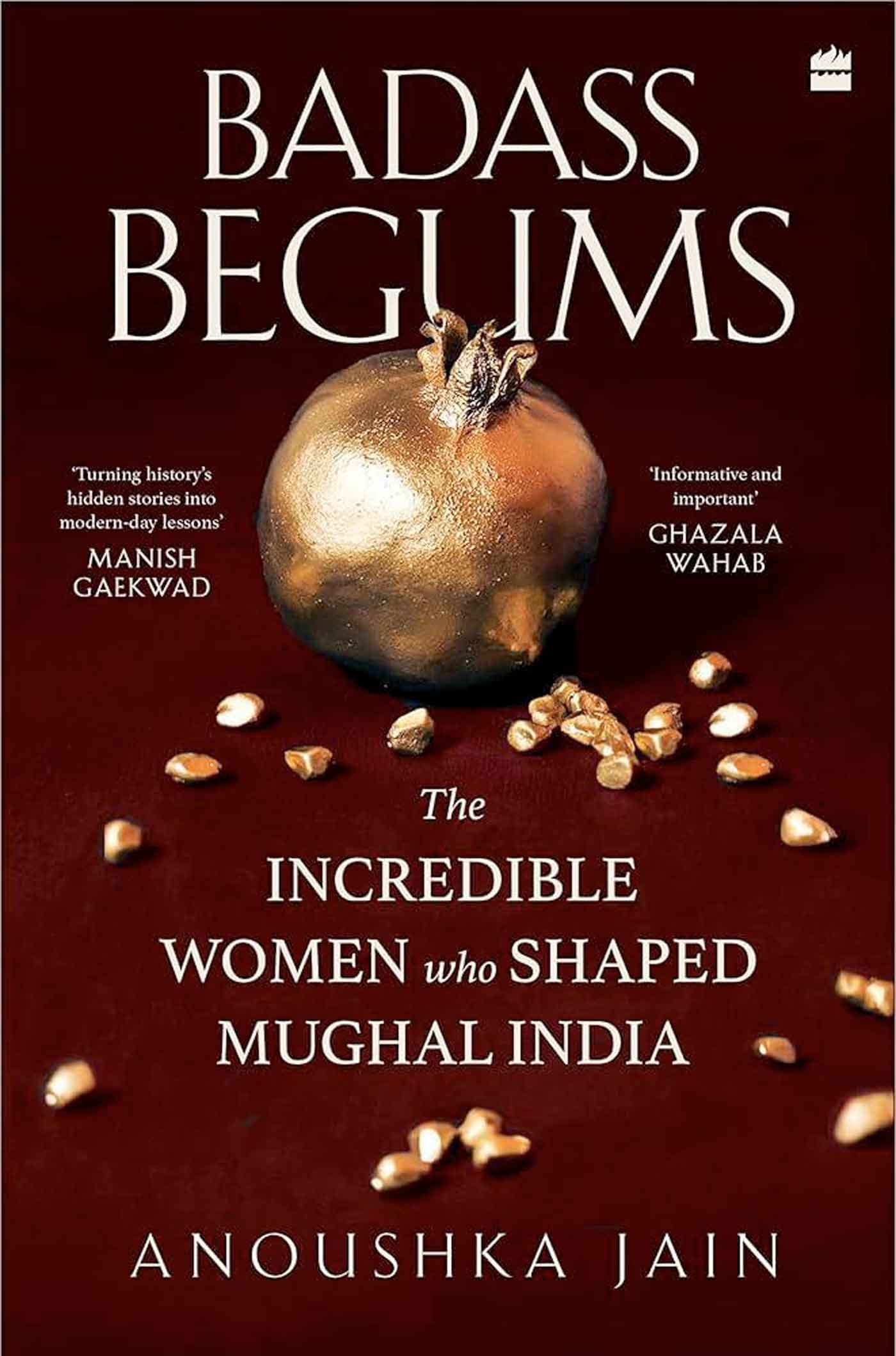
History often remembers emperors while quietly overlooking the women who shaped their empires. Anushka Jain’s Badass Begums seeks to correct that imbalance by bringing together the extraordinary stories of Mughal women whose political influence, military leadership, diplomacy, and cultural contributions helped define the course of Indian history. From Nur Jahan’s remarkable administrative abilities to Jahanara Begum’s role in shaping imperial politics, the book reveals how these women exercised power in a deeply patriarchal world. It challenges conventional narratives by showing that the Mughal Empire was not built by kings alone but also by women whose stories deserve equal recognition.
The Palace of Illusions — Chitra Banerjee Divakaruni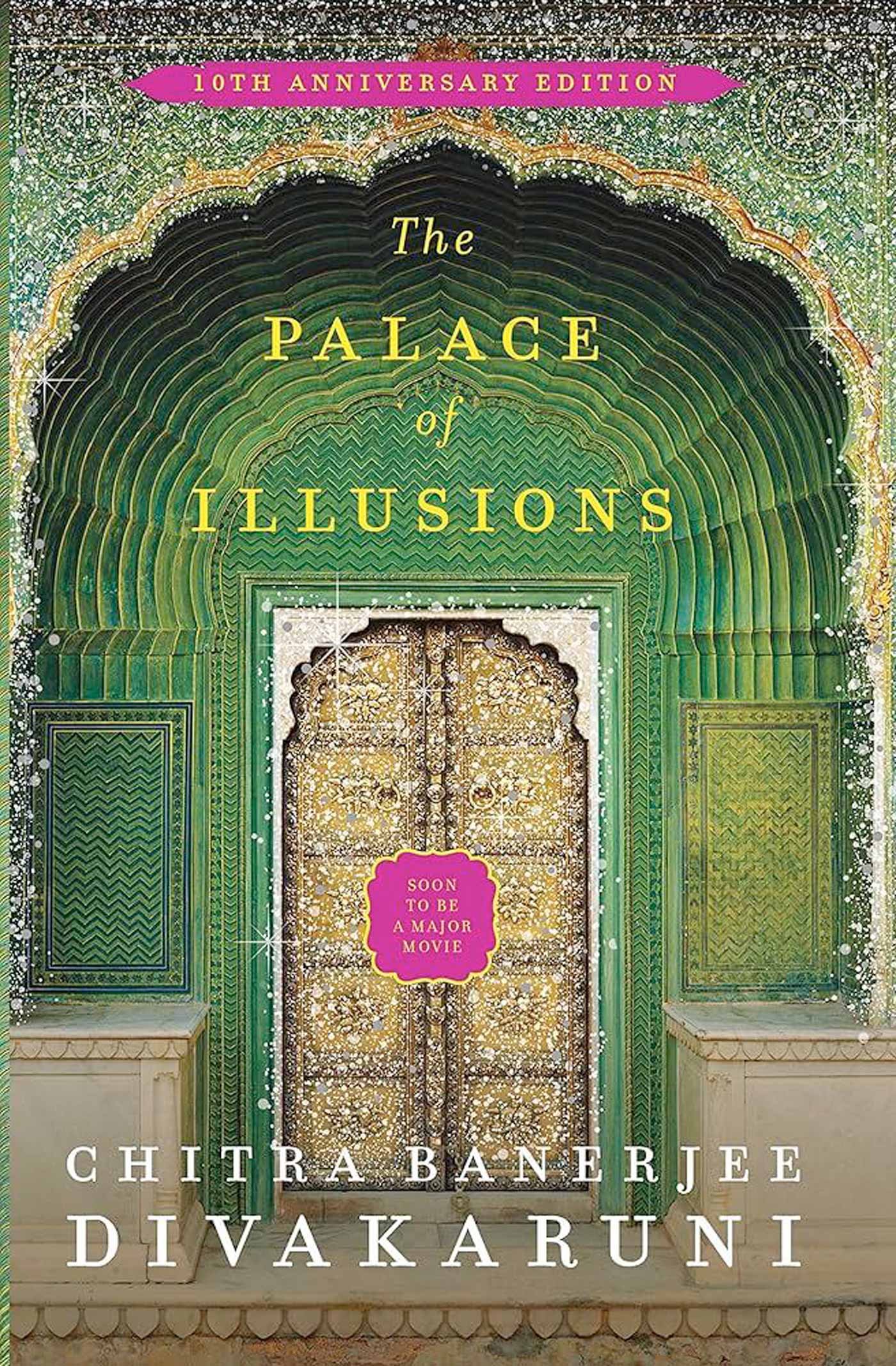
Few retellings of Indian mythology have resonated as widely as Chitra Banerjee Divakaruni’s The Palace of Illusions. Reimagining the Mahabharata through the eyes of Draupadi, the novel transforms one of India’s greatest epics into an intimate exploration of ambition, love, betrayal, identity, and destiny. Rather than existing as a supporting character in someone else’s story, Draupadi becomes the emotional and intellectual centre of the narrative. Her perspective offers fresh insight into familiar events while raising timeless questions about gender, power, agency, and the cost of duty. The novel has become one of the most celebrated feminist reinterpretations of Indian mythology.
The Last Mughal — William Dalrymple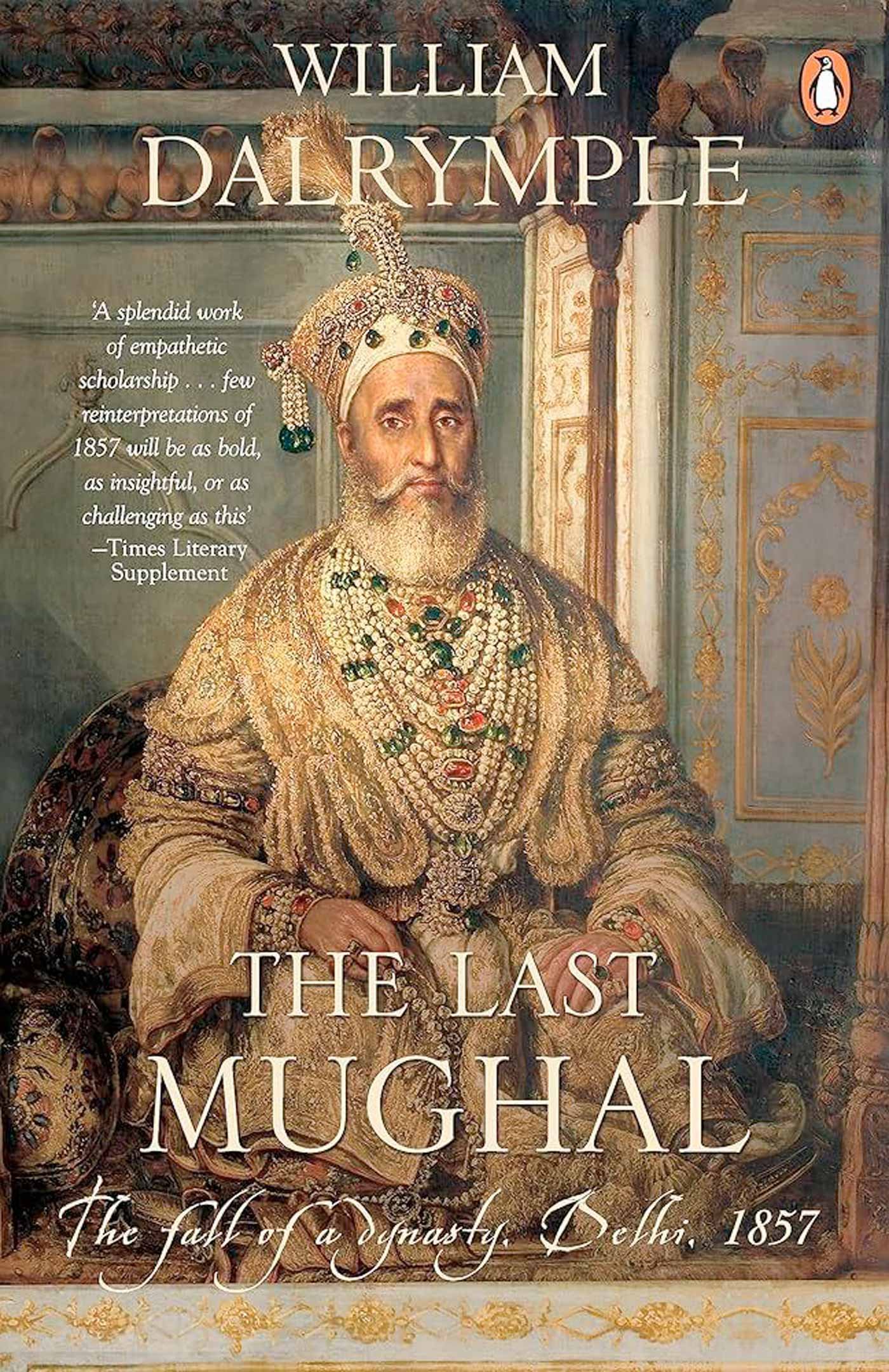
In The Last Mughal, historian William Dalrymple reconstructs the dramatic final years of the Mughal Empire through extensive archival research and previously untranslated documents. Centred around Emperor Bahadur Shah Zafar and the Revolt of 1857, the book reveals a Delhi standing at the crossroads of empire, rebellion, and cultural transformation. Rather than presenting history solely through British accounts, Dalrymple foregrounds Indian voices, diaries, letters, and eyewitness testimonies that illuminate the human cost of colonial conflict. Richly detailed and deeply immersive, the book challenges simplistic narratives of 1857 while restoring dignity and complexity to one of India’s most pivotal historical moments.
Stories That Continue to Shape India
These books differ in genre, style, and perspective, but they share one remarkable quality, they invite readers to look beyond familiar narratives. They remind us that India’s history is not a single story but a conversation between countless voices, ideas, cultures, and generations.
Long after the final page is turned, these works continue to influence how we understand India’s past, question its present, and imagine its future.