

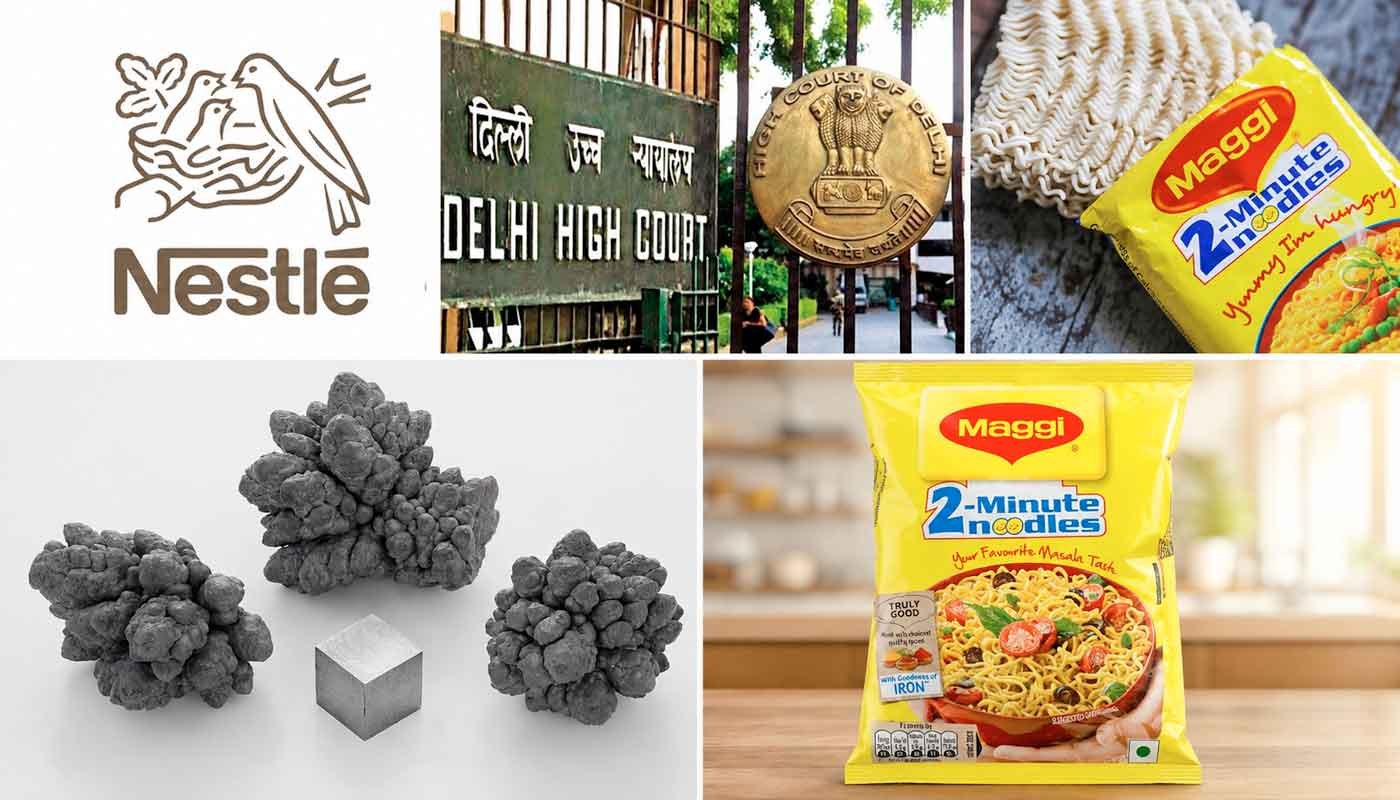
For an entire generation of Indians, Maggi is more than just instant noodles. It is midnight food, hostel food, childhood comfort food and one of the country’s most recognizable packaged-food brands.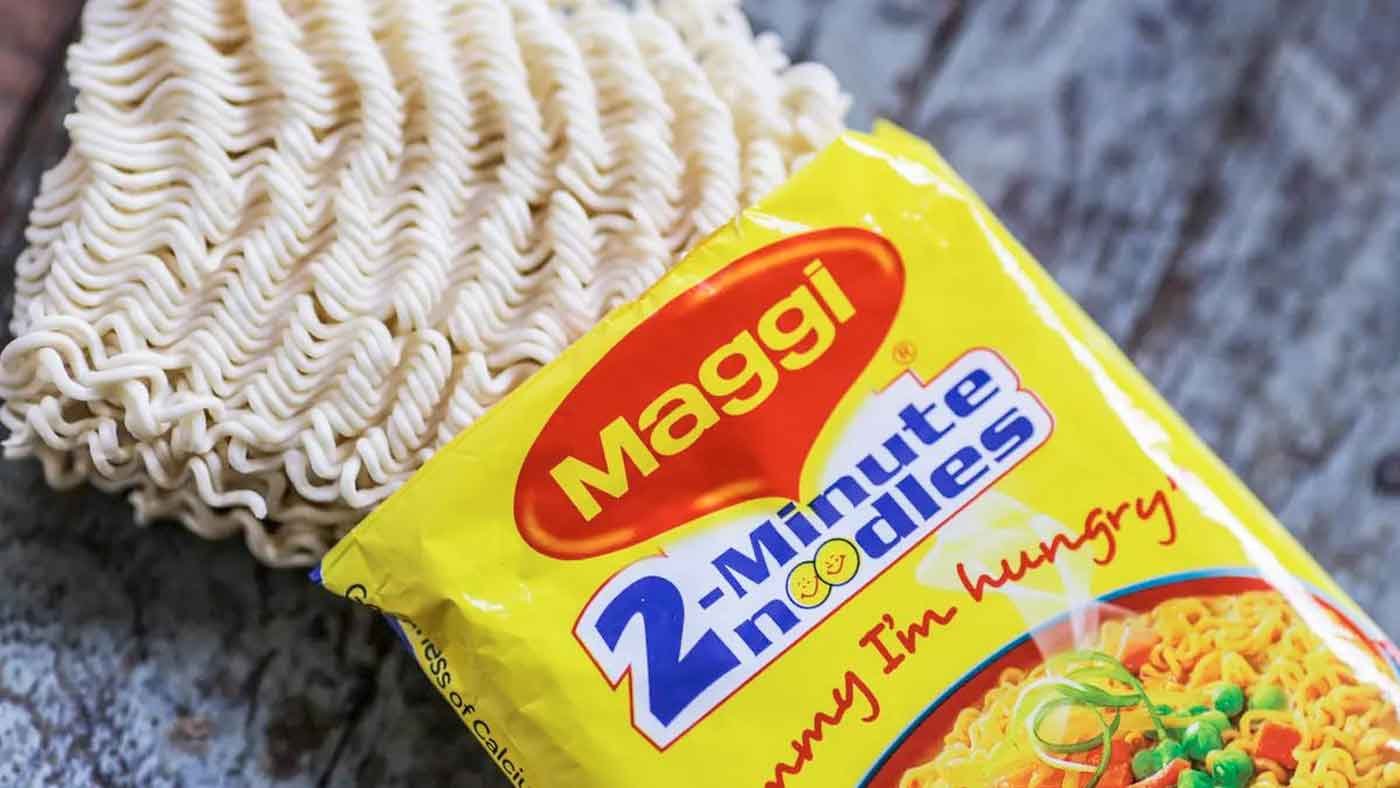
Which is precisely why the 2015 Maggi controversy became such a massive national story. More than a decade later, the legal fallout from that episode has continued to make its way through India’s courts. Recent High Court proceedings have resulted in criminal cases arising from the controversy being quashed, bringing another major chapter of the long-running dispute to a close.
But what exactly happened in 2015 and does the latest court decision mean that Maggi has been officially declared “safe”? The answer is more complicated than a simple yes or no.
What Happened During the 2015 Maggi Controversy?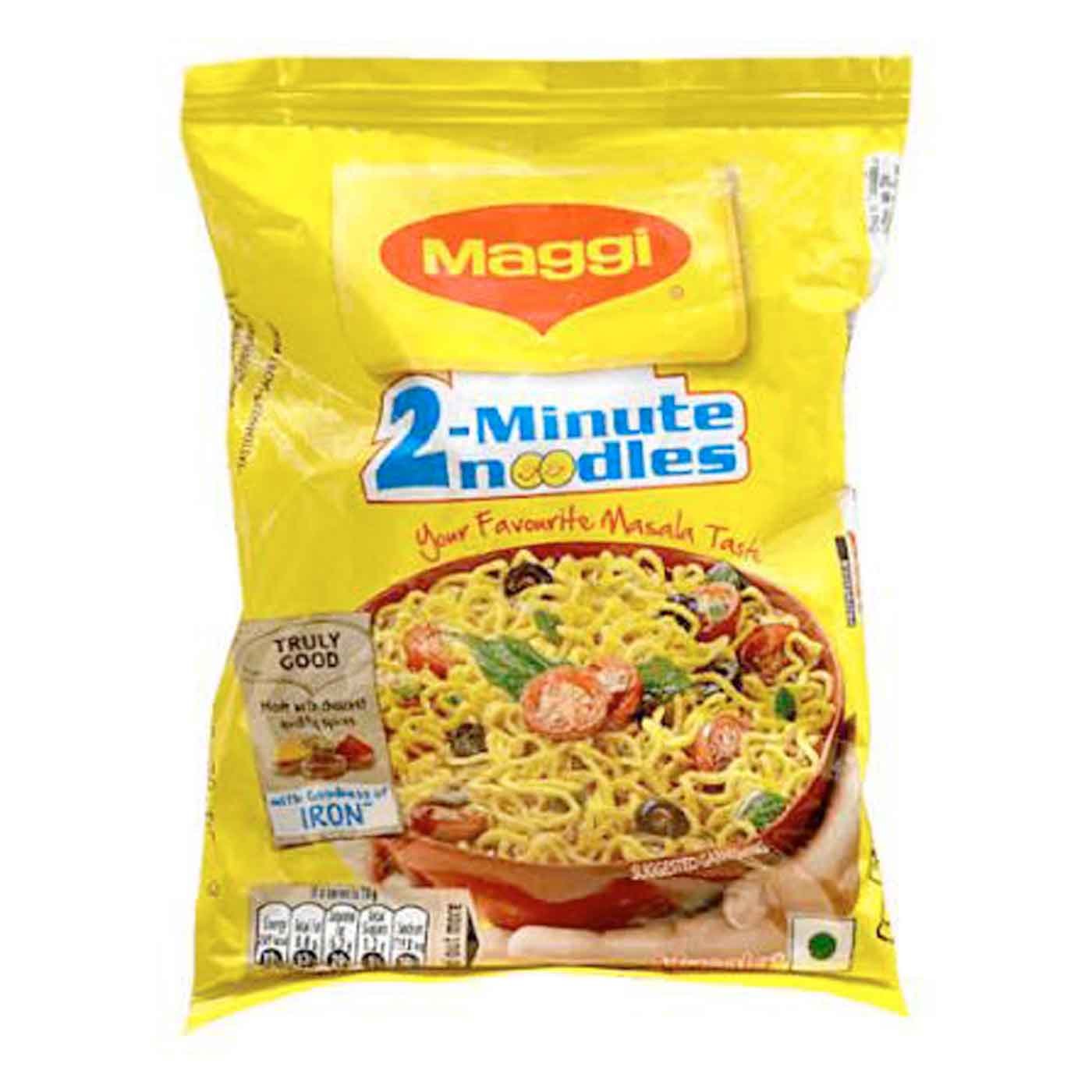
The controversy began after food-safety authorities collected samples of Maggi noodles in 2015. Tests conducted at the time reported elevated levels of lead in certain samples, with the reported figures exceeding the then-applicable permissible limit of 2.5 parts per million (ppm). Concerns were also raised over the product’s labelling, particularly the declaration relating to “No Added MSG.”
The issue quickly escalated from a food-testing dispute into a nationwide crisis.
Authorities in several states ordered testing, and Nestlé eventually withdrew Maggi noodles from the Indian market in June 2015. The company maintained that its product was safe, but voluntarily recalled the noodles while the controversy was investigated.
The Bombay High Court later set aside the nationwide ban imposed by the food regulator, while the wider litigation continued through different legal proceedings.
Why Was Lead Such a Big Concern?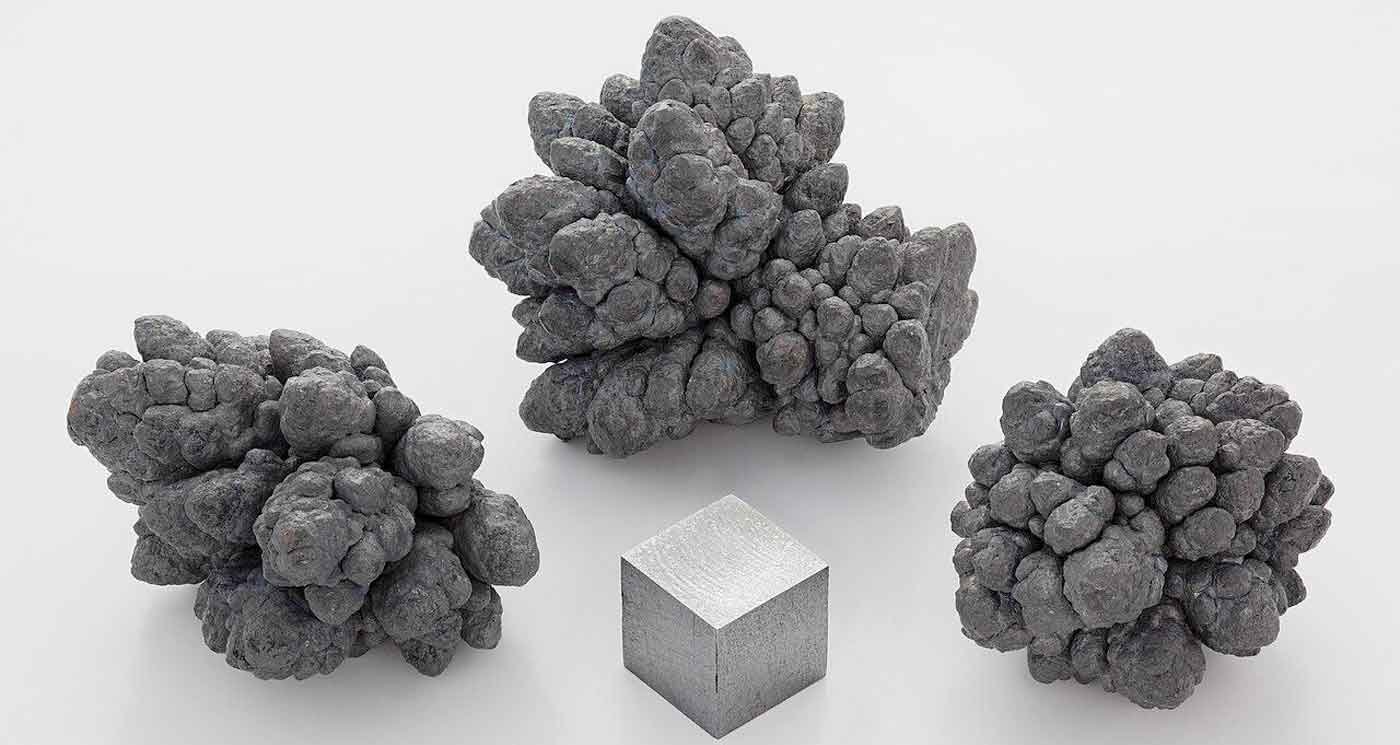
Lead is a toxic heavy metal, and its presence in food is therefore closely regulated. The 2.5 ppm figure became central to the Maggi controversy because it represented the permissible regulatory limit being applied to foods not otherwise specifically classified under the relevant standards at the time.
The important distinction, however, is that the 2015 controversy involved specific samples and specific test reports. Different laboratories produced different findings, and questions eventually emerged about the validity and regulatory status of some of the testing laboratories involved.
That distinction became particularly important in subsequent court proceedings.
What Did the Courts Find?
The latest legal developments revolve not simply around whether Maggi had ever been reported to contain lead above the prescribed limit, but whether the evidence relied upon by the prosecution was legally sufficient to sustain criminal proceedings.
In a 2026 judgment involving Maggi-related prosecutions, the Himachal Pradesh High Court noted that subsequent testing found lead levels within the prescribed 2.5 ppm limit and questioned the sustainability of prosecution based on disputed laboratory evidence. The court also referred to requirements concerning laboratories being appropriately accredited and notified under the food-safety framework.
Separately, the Uttarakhand High Court has also quashed criminal proceedings arising from the 2015 Maggi controversy, finding problems with the food-analysis report relied upon for prosecution, including issues surrounding the competence of the laboratory.
These decisions demonstrate why the legal story has lasted so long: the dispute was not simply about a packet of noodles, but about scientific evidence, laboratory standards, regulatory procedure and whether criminal liability could be established on the basis of that evidence.
So, Was Maggi Actually Found to Have Excess Lead?
This is where history becomes particularly important. The answer is some samples tested in 2015 were reported to contain lead above the permissible limit, while other samples were reported to be within the limit.
A 2015 Bombay High Court judgment recorded that testing across different batches produced mixed results: some samples exceeded 2.5 ppm while others remained within permissible levels.
That means it would be inaccurate to rewrite the entire episode as either “Maggi definitely contained dangerous levels of lead” or “the entire controversy was completely false.”
The evidence was contested, varied across samples and became the subject of prolonged litigation.
Does the Latest Verdict Mean Maggi Is Officially Declared Safe? Not quite.
The court’s decision to quash criminal proceedings should not be interpreted as a universal medical or scientific declaration that every Maggi product is automatically safe under every circumstance.
What the court has effectively determined in the relevant proceedings is that the criminal prosecution could not be sustained on the evidence and legal basis presented.
That is an important distinction. Food safety remains governed by India’s regulatory standards and ongoing testing. A court quashing an old prosecution does not replace the role of food-safety authorities in monitoring products currently available in the market.
The “No Added MSG” Controversy
Lead wasn’t the only issue. The 2015 controversy also involved questions surrounding Maggi’s packaging and its “No Added MSG” declaration. The argument centred on whether the product’s ingredients and labelling complied with applicable food regulations. This became another component of the criminal proceedings that followed the original controversy.
Over time, however, the lead-content issue became the dominant public memory of the episode. For millions of consumers, “Maggi has lead” became shorthand for the entire controversy.
A Decade Later, the Legal Story Has Changed
The most striking part of the saga is just how long it has taken to resolve. What began in 2015 as a food-safety controversy eventually expanded into multiple proceedings involving Nestlé India, company officials, distributors, regulators and government authorities.
Meanwhile, Maggi returned to Indian shelves and rebuilt its position in the market. The brand survived one of the biggest consumer crises in India’s packaged-food industry and became an example of just how powerful consumer familiarity can be.
Nestlé India has also disclosed that a separate ₹639-crore consumer compensation claim arising from the 2015 controversy was dismissed by the National Consumer Disputes Redressal Commission in 2024 in favour of the company.
What Consumers Should Take Away
The latest court developments offer an important lesson beyond Maggi itself. Food-safety controversies require reliable science, properly accredited laboratories, transparent procedures and clear communication. When those elements are disputed, a case can continue for years, leaving consumers caught between conflicting claims.
For consumers, the takeaway isn’t simply that “Maggi is safe now” or that “Maggi was dangerous then.” It is that food safety should be determined by credible, current testing and regulatory standards, not by social-media claims, headlines or memories of a decade-old controversy.
The 2015 Maggi episode remains one of India’s most memorable food-safety controversies precisely because it raised difficult questions about how products are tested, how regulators respond to potential risks and how much confidence consumers can place in scientific evidence.
More than ten years later, the criminal cases may finally be reaching their conclusion. But the bigger lesson remains: when something as ordinary as a bowl of noodles becomes the centre of a national health scare, the evidence behind the warning, and the evidence behind clearing it, matters enormously.