
Ambedkar Jayanti: A Legacy That Continues to Challenge India
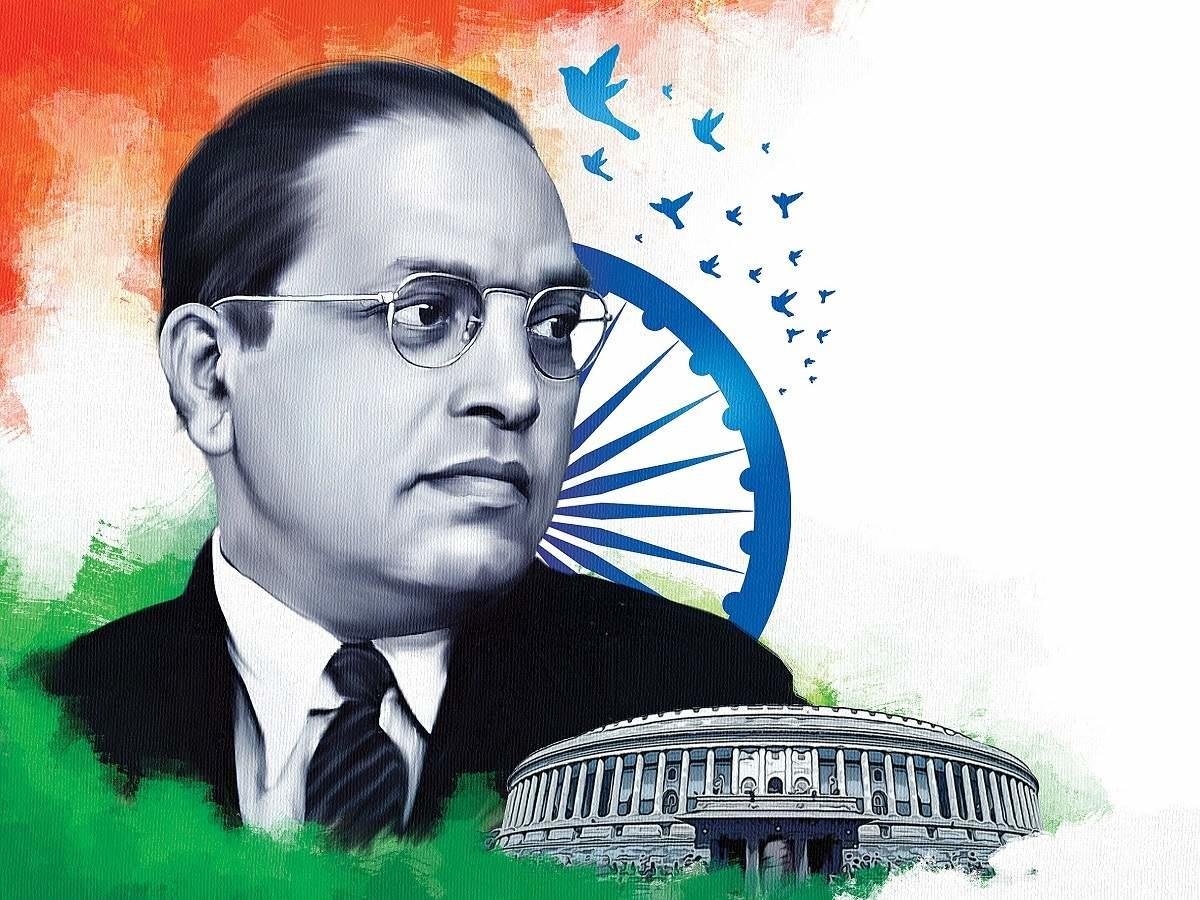
April 14 marks the birth anniversary of B. R. Ambedkar, the principal architect of the Constitution of India and one of the most influential social reformers in modern India. Observed as Ambedkar Jayanti, the day is commemorated with tributes across the country, from floral offerings at statues to public discussions on equality and justice.
Ambedkar’s contributions go beyond drafting the Constitution; his relentless fight against caste-based discrimination laid the foundation for a more inclusive democracy. His ideas on liberty, fraternity, and dignity continue to shape India’s socio-political discourse, especially at a time when debates on representation and rights remain urgent.
Beyond Rituals: Reclaiming Ambedkar in the Digital Age
In recent years, Ambedkar Jayanti has evolved from a ceremonial observance into a platform for dialogue, especially among younger generations. Social media campaigns, digital archives, and student-led discussions are bringing renewed attention to Ambedkar’s writings, including his seminal work, Annihilation of Caste.
This shift reflects a broader trend: Ambedkar is increasingly being understood not just as a historical figure, but as a thinker whose ideas address contemporary inequalities, from education access to economic mobility. Universities and civil society groups are using the occasion to host debates, screenings, and reading sessions, making his philosophy more accessible.
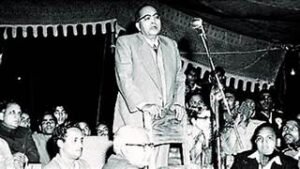
Ambedkar Jayanti, therefore, is not just about remembrance but reflection. As India celebrates his legacy, the day serves as a reminder that the pursuit of equality is ongoing, demanding both institutional accountability and individual awareness.