
Dancing Tales – Panchatantra: A Captivating Dance Theatre Experience
Review by Annarao Gangavalli
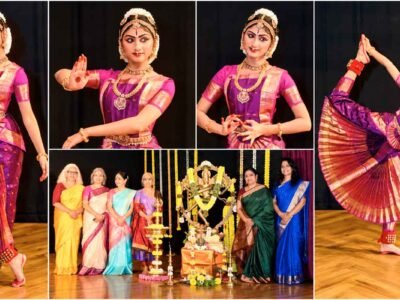
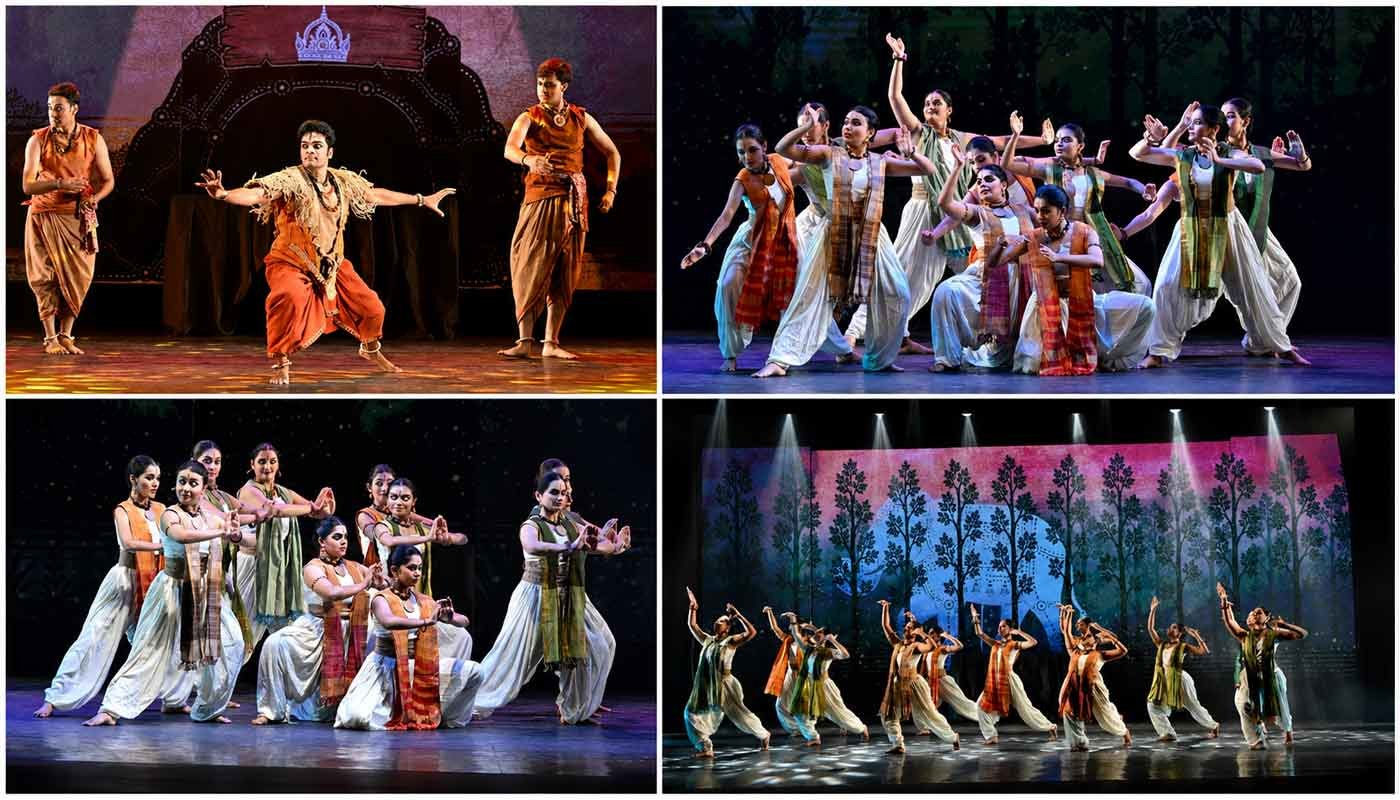
Shankarananda Kalakshetra, supported by the Ministry of Culture, Government of India, recently presented “Dancing Tales – Panchatantra”, a unique dance theatre production at Ravindra Bharathi.
The 78 minutes of the production flew by in a trice as the five stories, enacted with mordant wit and delightful humour, were brought alive through parable and allegory, captivating adults and children alike in the audience.
The recorded music, which infused the performance with a rush of adrenaline, was by Prema Ramamurthy; layered English narration by Jayant Dwarkanath; sublime costumes by Ganesh Nallari and Deepa Krishnamachari; stunning digital design by Gunjan Ashtaputre; and exuberant lighting by Surya Rao.
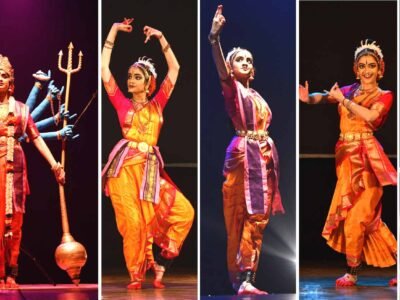
The transcendently unique choreography and movement design by Padma Shri Dr. Ananda Shankar Jayant, imbued with her usual panache, brought these eternal fables to a modern audience, brimming with a rare aesthetic flair.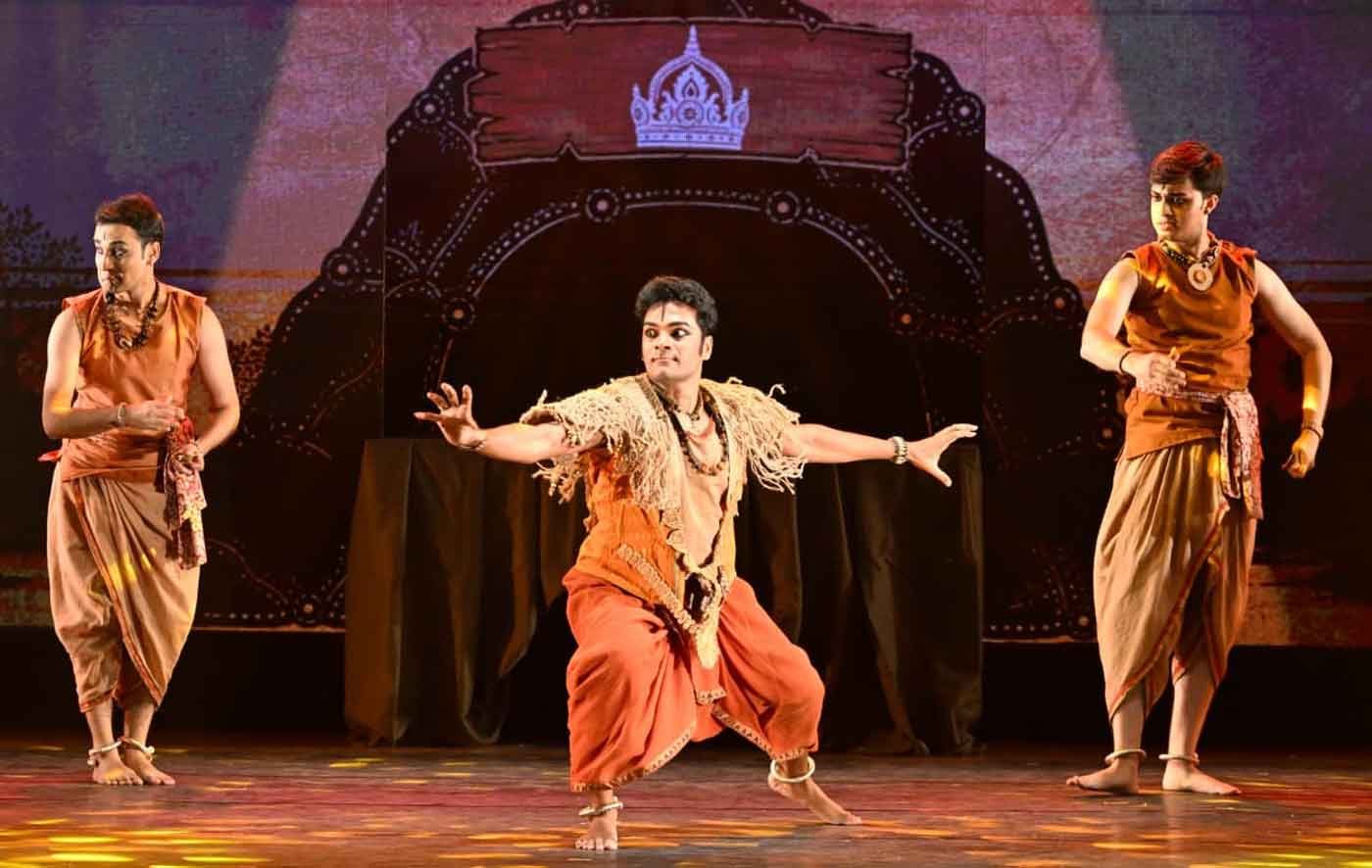
Twenty-plus dancers—the lead, Mithun Shyam, with a few students from Bangalore and the senior ensemble of Shankarananda Kalakshetra, including Aditi Rao—performed with remarkable finesse. A few tiny tots too had their moment on stage to enormous applause.
Kinetically challenging, the animal characters were brought to life, replicating their every gait and mood. Ananda Shankar’s years of training and performance at Rukmini Devi’s academy have opened her directorial vision to a rich movement vocabulary, intricate choreography and vivid imagery. Styles, including inspirations from other dance forms, the conventional and the contemporary, met and dispersed in kaleidoscopic designs.
Innovation was the hallmark in all aspects. The music was complex, foot-tapping and oriented to the mood in every scene. Lyric-free, a melange of instruments created a rich tapestry.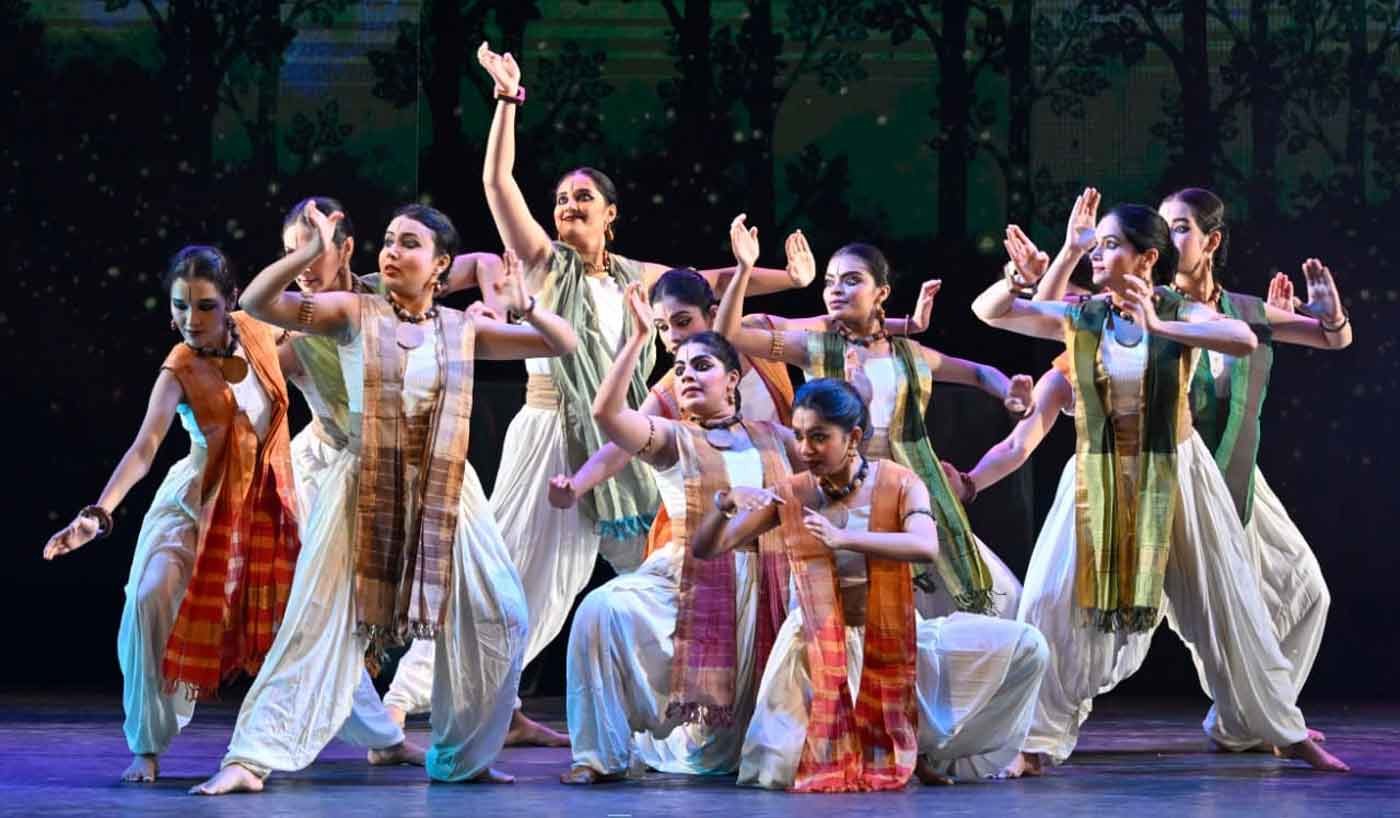
Vishnu Sharma’s World Comes Alive
A brief introduction set the scene as Vishnu Sharma and his authorship were described. Cleverly, the screen showed a matching montage of puppets against an ochre background, playing out the same.
The prelude invited the audience intimately to listen, as the context of the story was established through a visual framework of trees swaying and unfurling in non-rhythmic movements. Rivulets flowed as creepers twirled. The animals of the forest—deer, snakes, tigers and elephants—arrived, displaying the geography of the canvas.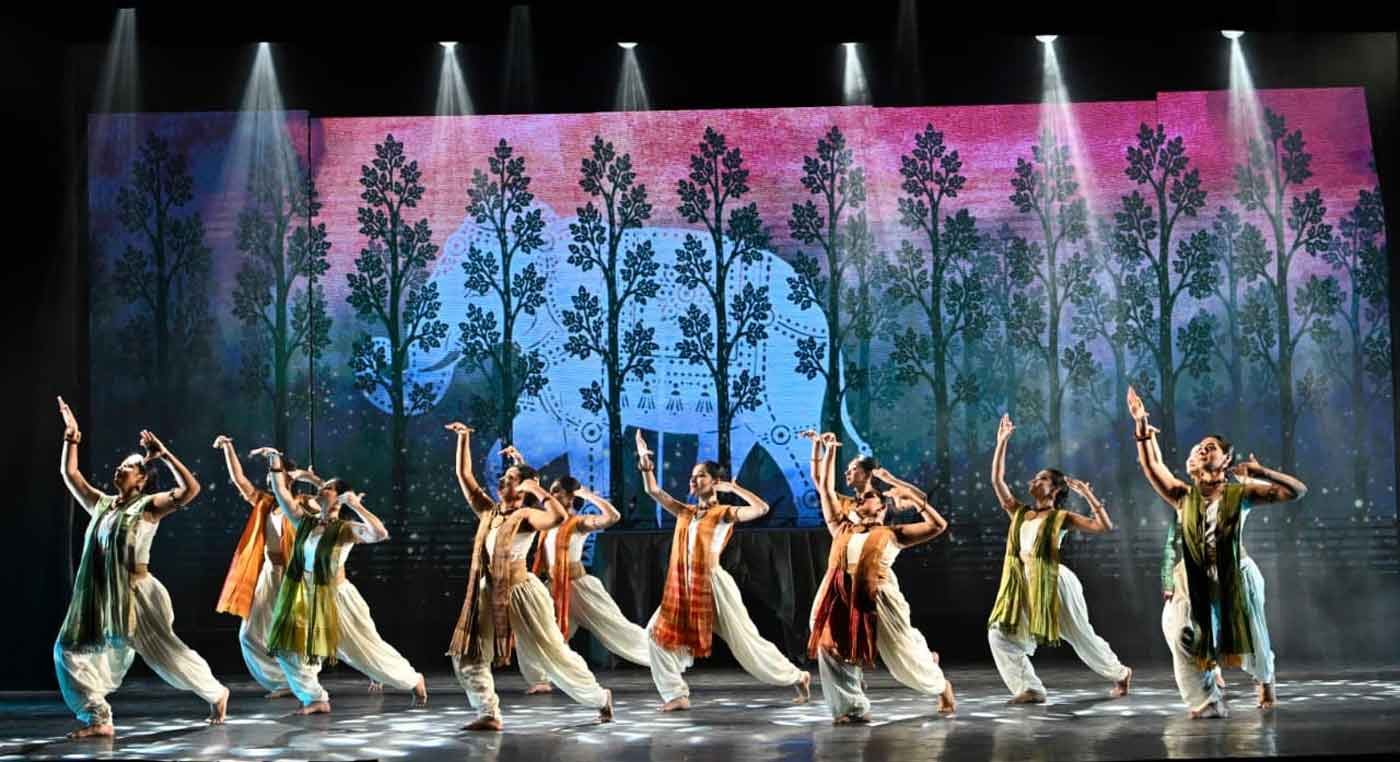
The Lion and the Clever Rabbit
A Mallari accompanied the description of the fearsome lion, the King of the Jungle, who has no compassion for his animal subjects nor remorse for ruthlessly killing and eating them.
Majestically posing on a central rock, Mithun Shyam was the lion to the core. Aharya indicated his mane and furry coat with subtlety. Sycophants in tow, red in tooth and claw, it was a picture to behold.
The Mallari speeds adjusted as each animal—bison, wild horses and others—came in with characteristic gaits. Adavus were sprinkled with Kathakali movements. The atmosphere of a quasi-court, with the other animals bowing to their predator, shone.
The animals discuss how to escape the daily reduction in their numbers as the predator rends and devours them. A group of rabbits produce a hero in their midst, Srividya Sripathi, who lures the lion into approaching a well.
The lion goes into a frenzy of roaring and fearsome posturing as he mistakes his reflection in the water for a rival. Mithun’s student, Shashank Nair, cinematically mirroring his gestures, was a treat to watch. Finally, leaping about with increasing fury, the deluded lion falls into the well and drowns.
The Curious Monkey
Next, woodcutters in rustic mode arrive in a stand of trees and cut down a giant of the forest. Saurabh, playing the tree trunk, lent a whole new degree of verisimilitude through his immobility—not a single movement!
After their labour, they leave for lunch following a folk dance-style interlude, leaving the chopped tree unattended.
A group of dancers, perfectly imitating monkeys, arrive on the scene. Sans talam, random musical sounds interspersed the simians’ hilariously uncoordinated antics—scratching themselves, playing with their babies, swinging up and down, cavorting in impossibly coiled poses, all doing what these distant cousins generally do.
One of their number, Yashasvi Jana, with inquisitiveness overpowering good sense, jumps onto the fallen tree, dislodges its wedge and catches its tail in it. All its frantic efforts fail to ensure escape as the scene concludes.
The Cranes and the Tortoise
The tale of the cranes brought graceful, gliding, flowing Kathak- and Chhau-oriented movements onto the stage, offering a total contrast to the previous choreography.
Balletic symmetry and synchrony radiated as the flock of birds moved as one in dignified formations to a Tillana. Light gauzy white costumes added visual appeal.
As the screen showed images of a peaceful wild sanctuary, two of the cranes descended to the lake in which their friend, the tortoise, lived.
Khevna Reddy as the tortoise was apt, as the cranes, to save their friend as the lake dried up, took her up into the air. It was a striking feat as Neha Sathanapalli and Sreenidhi Ramaswamy bore the stick with Khevna holding on for dear life.
Alas, the tortoise, in a moment of distraction, falls and is rendered an object of curiosity to the onlookers, who are bewildered by its sudden appearance on earth from the sky and cogitate various theories for this inexplicable occurrence.
The Monkey and the Crocodile
In a swampy marsh, crocodiles live. Their slithering, criss-cross gait was rendered by the dancers being horizontal on the floor while moving into Bharatanatyam and Kalaripayattu positions, including Makara Mudras—quite difficult to enact.
Wearing cloaks studded with scale-shaped frills, the artistes, as lady crocodiles, actually do a ramp walk—a hilarious tongue-in-cheek send-up of the leather garment fashion industry.
When a monkey, Harshavardhan, the crocodile’s friend, is besought for its heart by the crocodile’s arrogant wife, the moral—”You can’t Eat your Friends and Have them too”—is elucidated by the wily monkey’s escape.
The Doves Escape Together
In the last tale, a covey of doves settle in a field, their iridescent plumage and posture rendered in matching aharya and stance.
A group of hunters try to find a way to catch them and hit upon throwing a net over them. Raag Jog Tillana emphasizes the awkward movements of the birds under the net till they decide to all fly away as one, carrying away the net and escaping to the hunters’ discomfiture.
Standing Ovation for an Innovative Dance Production
The audience gave a standing ovation, with the takeaway being their interest piqued and their enthusiasm stirred to read the classic Panchatantra tales.