


Football has always been about more than ninety minutes on the pitch. Sometimes, the conversations after the final whistle become bigger than the match itself. Egypt’s defeat to Argentina has become one such occasion, with social media divided over refereeing decisions, physical challenges, and whether the game was officiated consistently.
Much of the online debate centered around a series of contentious moments. Many Egyptian supporters argued that repeated fouls on their players went unpunished, while several bookings handed to Egypt were viewed as excessively harsh. Clips of physical duels circulated widely across X and Instagram, with users claiming that similar incidents were judged differently depending on which team committed them.
The disallowed Egyptian goal also became a major talking point. While match officials ruled it out under the laws of the game, many supporters questioned the interpretation and argued that the decision altered the momentum of the match. Others pointed to Argentina’s winning goal, suggesting that it should have been examined more closely before being allowed to stand.
Head coach Hossam Hassan voiced his disappointment after the match, saying, “We played better. This was not fair. I don’t know why our goal was cancelled.” He added that, in his opinion, commercial considerations may have influenced perceptions around the tournament, remarks that quickly became one of the most discussed aspects of the post-match fallout. Online, reactions reflected sharply different viewpoints.
Some supporters described the officiating as inconsistent rather than deliberately biased, arguing that controversial refereeing decisions are an unfortunate reality of modern football and affect teams across tournaments.
Others felt Egypt had been the better side despite the result, praising the team’s resilience, defensive organisation, and determination throughout the contest. Many said the players should leave the tournament with their heads held high regardless of the final score.
A separate section of fans urged caution against linking the result to politics without concrete evidence. While discussions emerged after Hassan’s earlier public comments expressing solidarity with the Palestinian people, these supporters argued that sporting controversies should not be attributed to political motives without substantiated proof.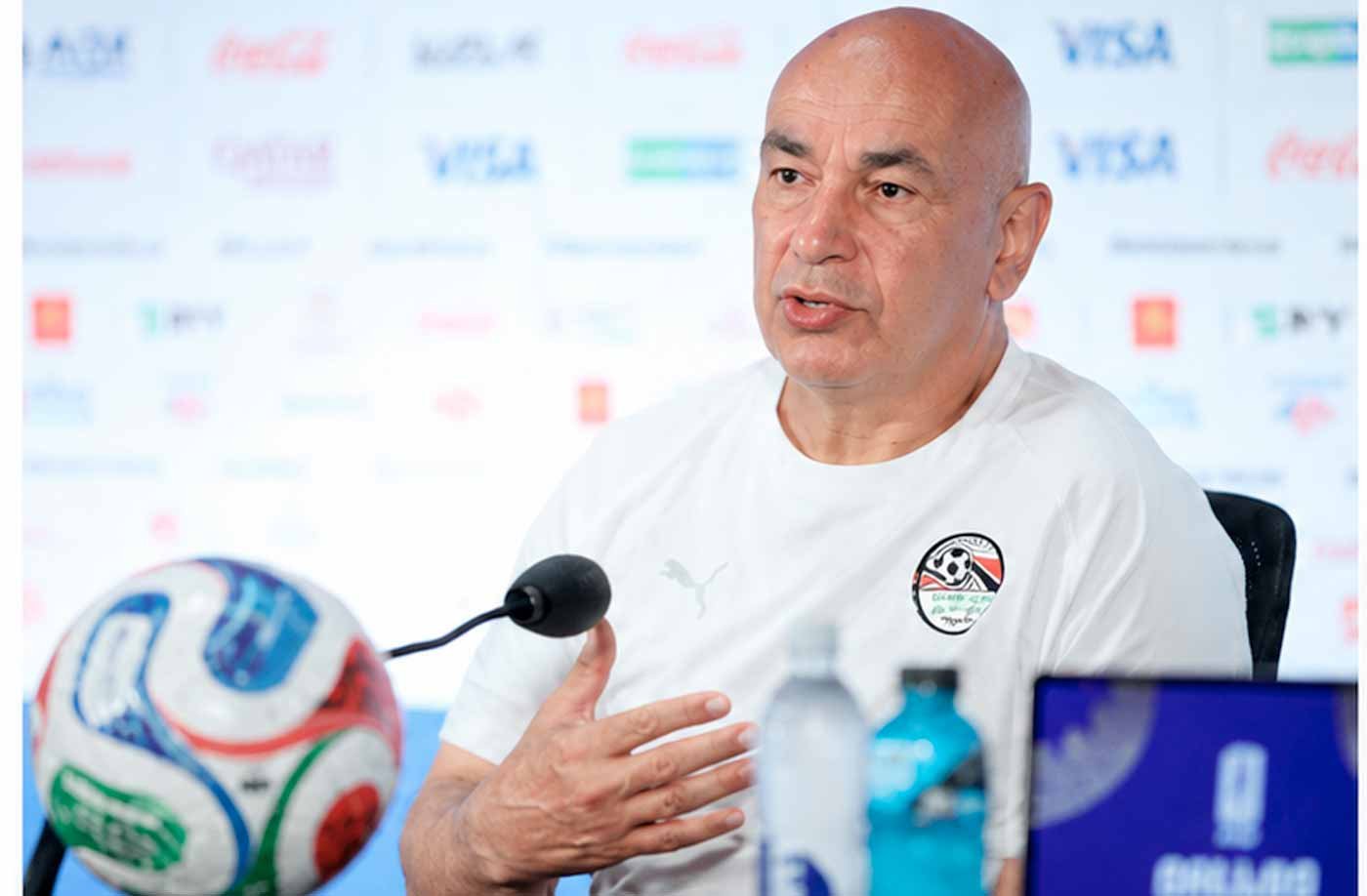
The match also reignited broader conversations about the use of VAR, transparency in refereeing, and whether football governing bodies should provide clearer explanations for controversial decisions. Many fans called for greater accountability from match officials, regardless of which nation benefits.
Whatever one’s perspective, the fixture has become one of the tournament’s most debated encounters. For some, it highlighted the unpredictable nature of football officiating. For others, it represented a missed opportunity for Egypt after what they believed was one of the team’s strongest performances.
In football, results are recorded in history. Debates about how those results were reached often continue long after the final whistle.