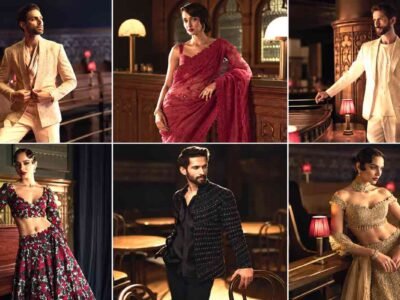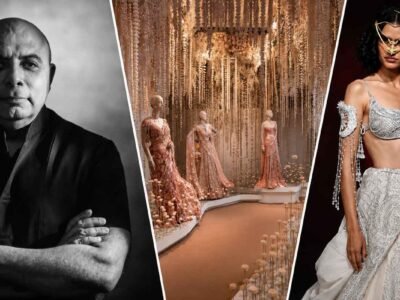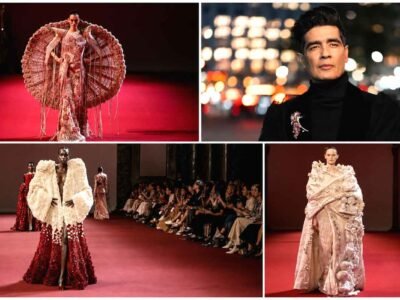

For decades, Indian couture has revolved around one silhouette. The lehenga. This year, India Couture Week 2026 finally hinted at something bigger.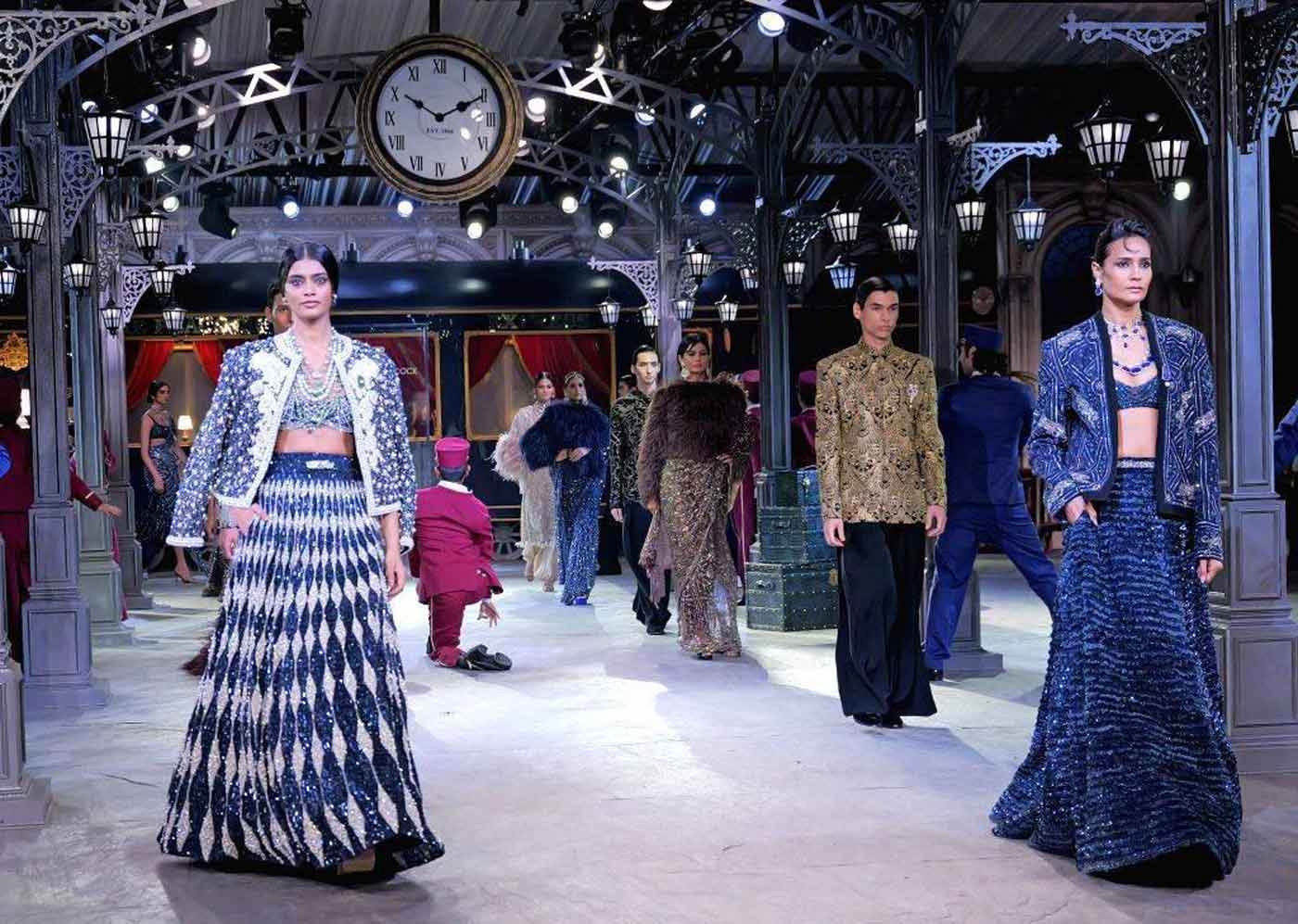
The bridal lehenga still dominated the runways, glittering under layers of embroidery, sequins, and handcrafted embellishments. But between those familiar looks emerged something far more exciting,a new vision of couture that borrowed from ready-to-wear, embraced practicality, and questioned what luxury should look like in modern India.
The message was clear. Couture is slowly stepping out of the wedding mandap.
Ready-to-Wear Meets Couture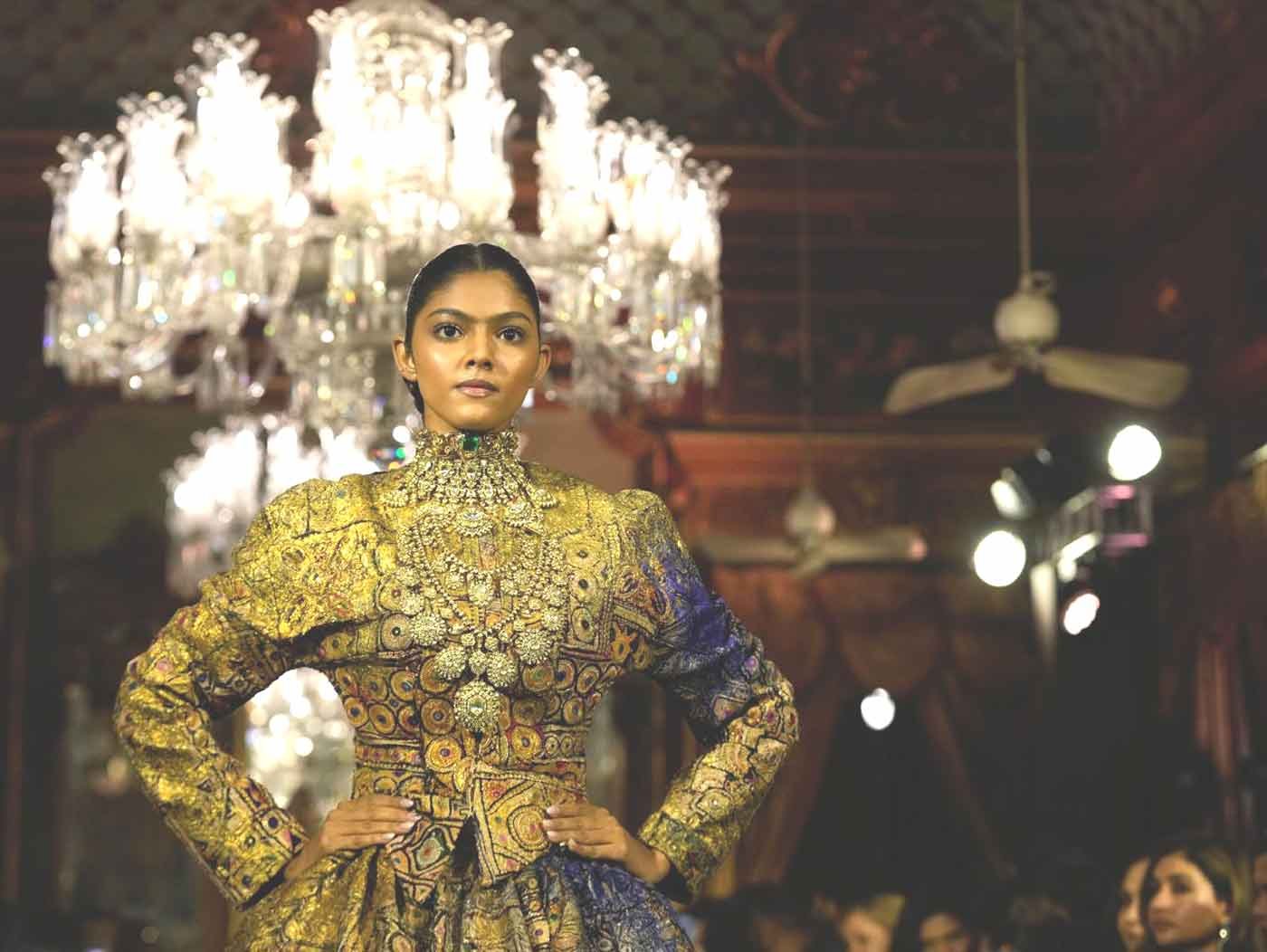
One of the strongest trends this season was the blending of couture with everyday dressing. Global fashion houses like Chanel and Fendi have increasingly blurred the lines between haute couture and ready-to-wear, and Indian designers appear to be following that path.
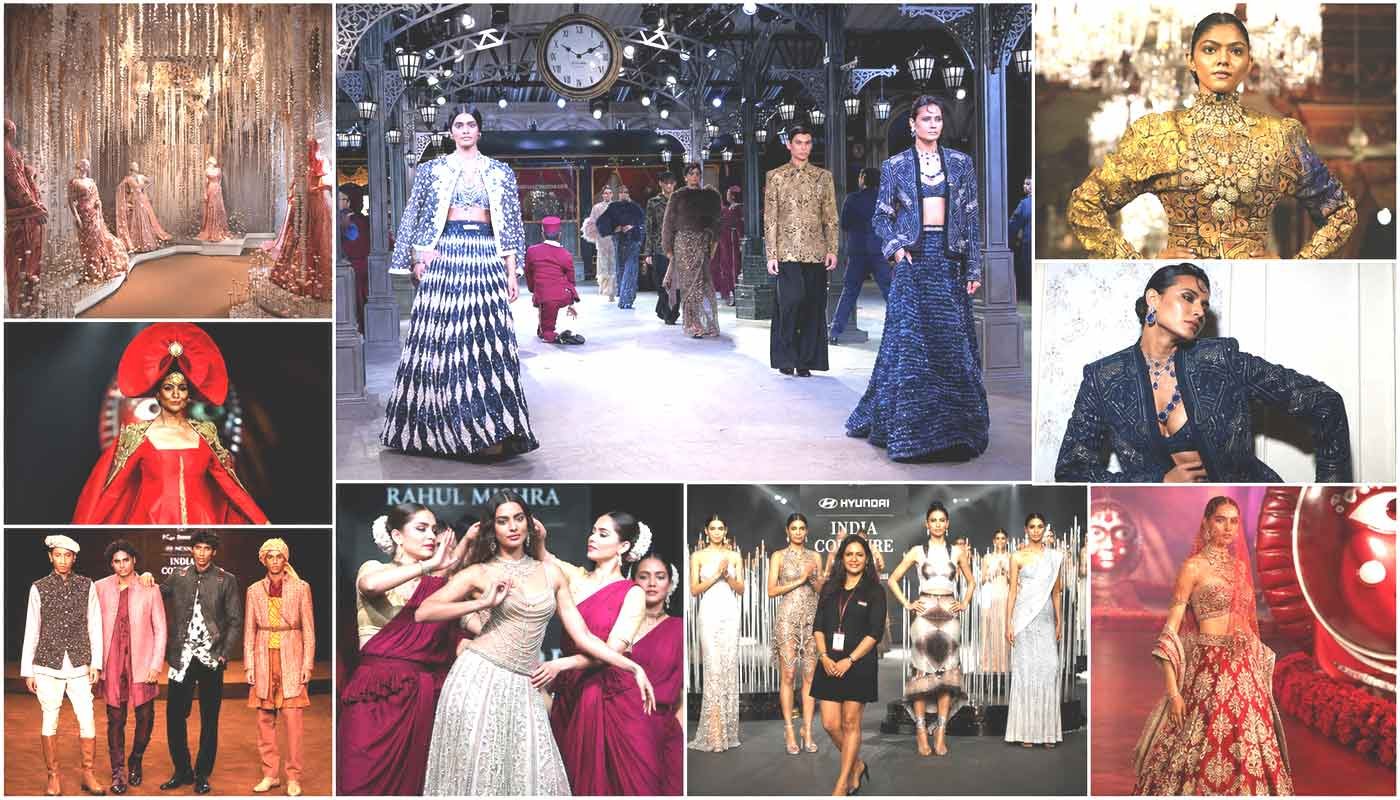
Anamika Khanna paired mirror-work cropped jackets with Victorian-inspired ghagras. Falguni Shane Peacock presented embellished denim finished with faux fur. Rahul Mishra transformed oversized blouses into couture statements through intricate embroidery.
These weren’t just beautiful garments. They were wearable. They suggested that couture could become part of a wardrobe rather than remain locked inside a bridal trousseau.
Bridal Fashion Finally Offers More Choice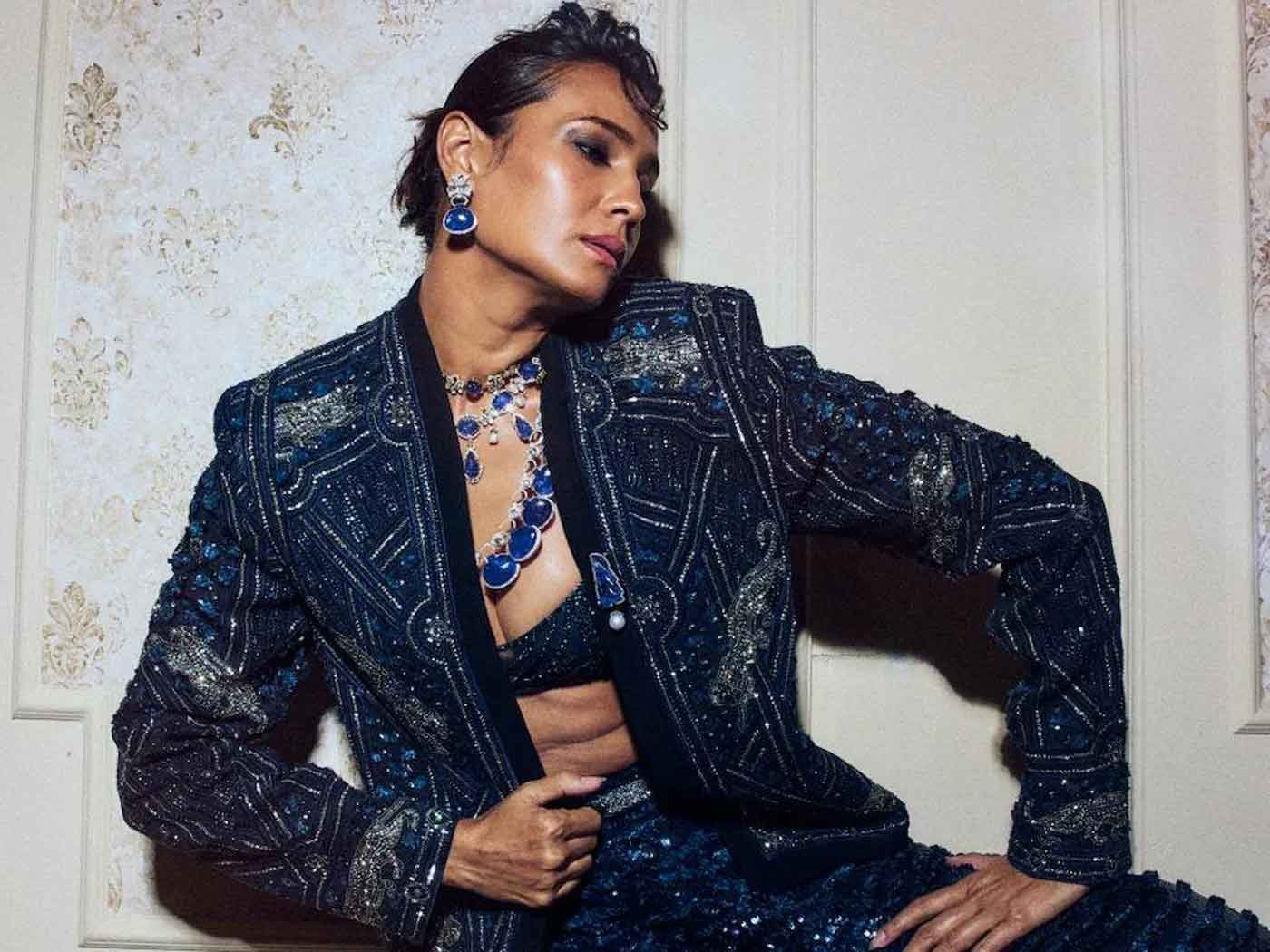
This year’s collections also challenged another long-standing bridal stereotype. For years, bridal fashion has leaned heavily towards sleeveless blouses and shoulder-baring silhouettes. At India Couture Week 2026, almost every major designer introduced full-sleeved, balloon-sleeved, or covered blouses, acknowledging that not every bride wants to reveal skin to feel modern.
Fashion became less about following trends and more about offering options. That is genuine progress.
Menswear Is Becoming The Most Exciting Category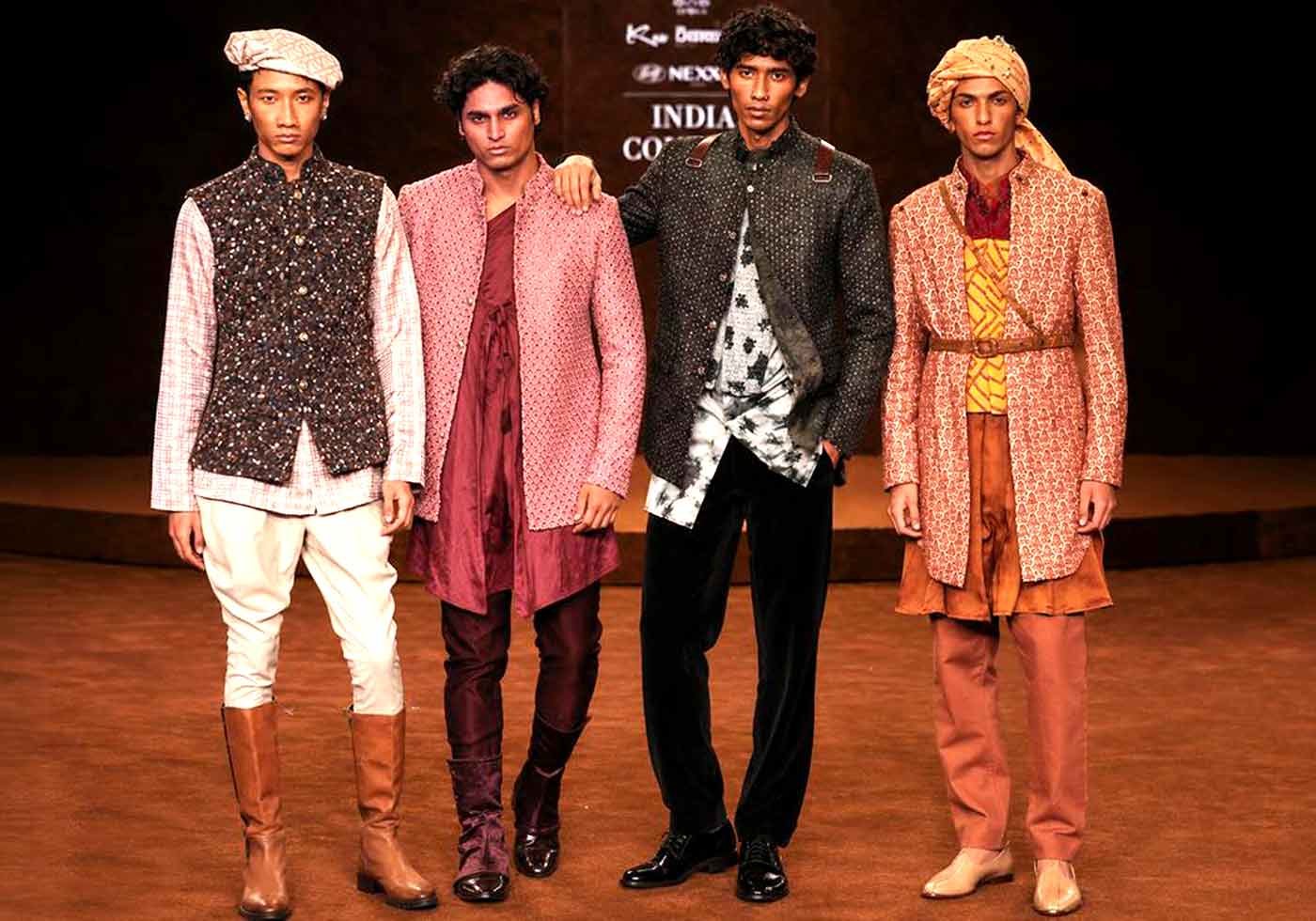
Indian couture has traditionally focused almost exclusively on women. Not anymore. Designers like Falguni Shane Peacock, Kunal Rawal, and Rahul Mishra delivered menswear that felt fluid, contemporary, and refreshingly free from rigid gender expectations.
Their silhouettes moved away from heavy sherwanis towards garments that felt lighter, softer, and easier to wear. For perhaps the first time in years, Indian couture menswear looked genuinely exciting.
Masaba Gupta Reimagined Bridal Dressing
Masaba Gupta’s couture debut stood out because she refused to design a single bridal uniform. Instead, she built an entire wardrobe.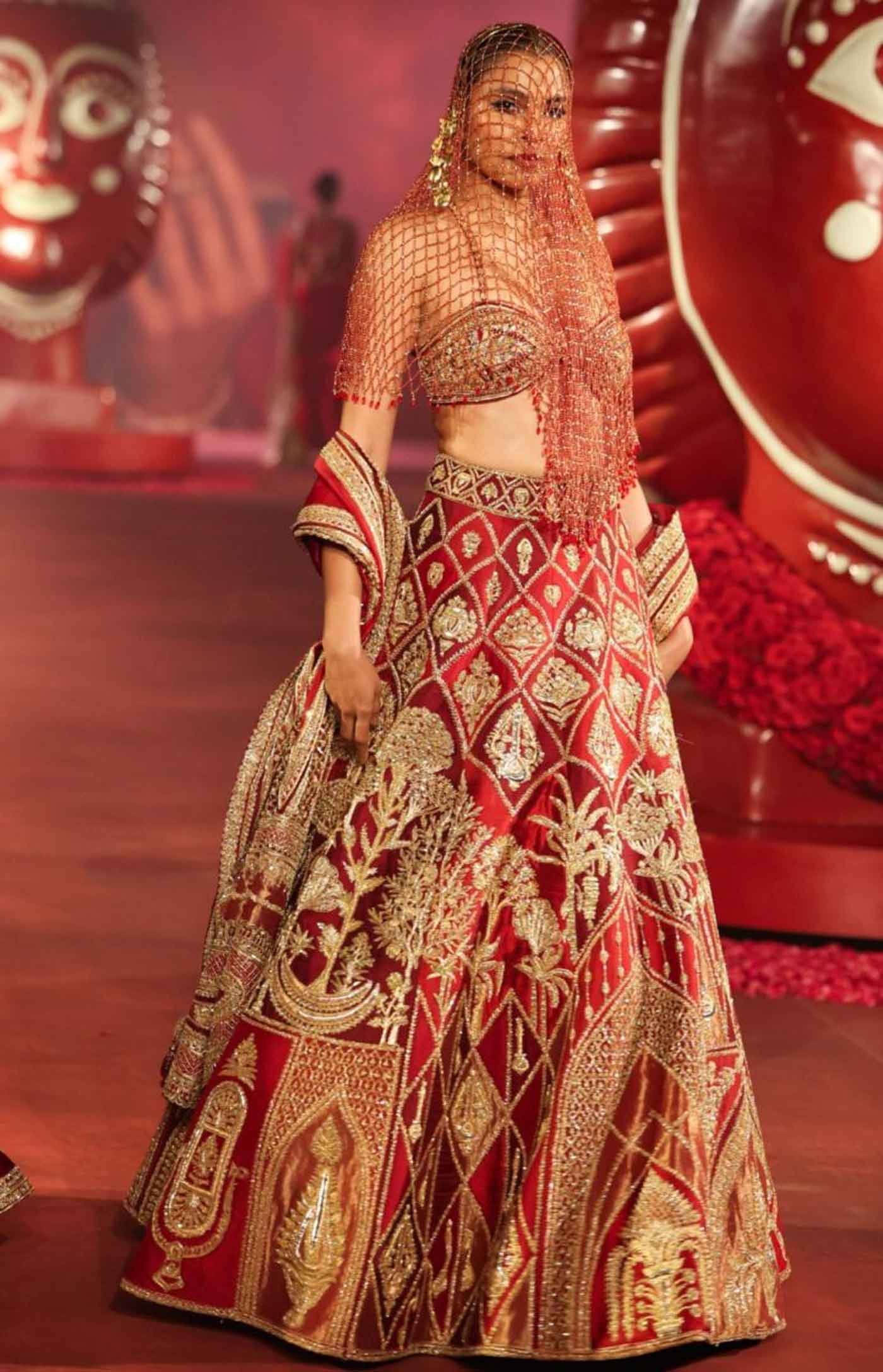
The collection ranged from embroidered cargo trousers and crisp white Pathani suits to pineapple-inspired bikini jackets with cascading embroidery reminiscent of traditional parandis.
Not every experiment landed perfectly. But experimentation wasn’t the point. Masaba proved that bridal couture can be playful, versatile, and deeply personal without sacrificing craftsmanship.
Beautiful Embroidery. Familiar Silhouettes.
If one criticism defined this year’s couture season, it was this: Designers continued to innovate on surfaces rather than structures. Embroidery reached extraordinary levels of craftsmanship.
Silhouettes largely remained unchanged. The safest commercial route continues to dominate Indian couture. While embroidery evolves every season, the garments themselves rarely do.
It remains one of the industry’s biggest creative challenges.
Tarun Tahiliani Pushed The Conversation Forward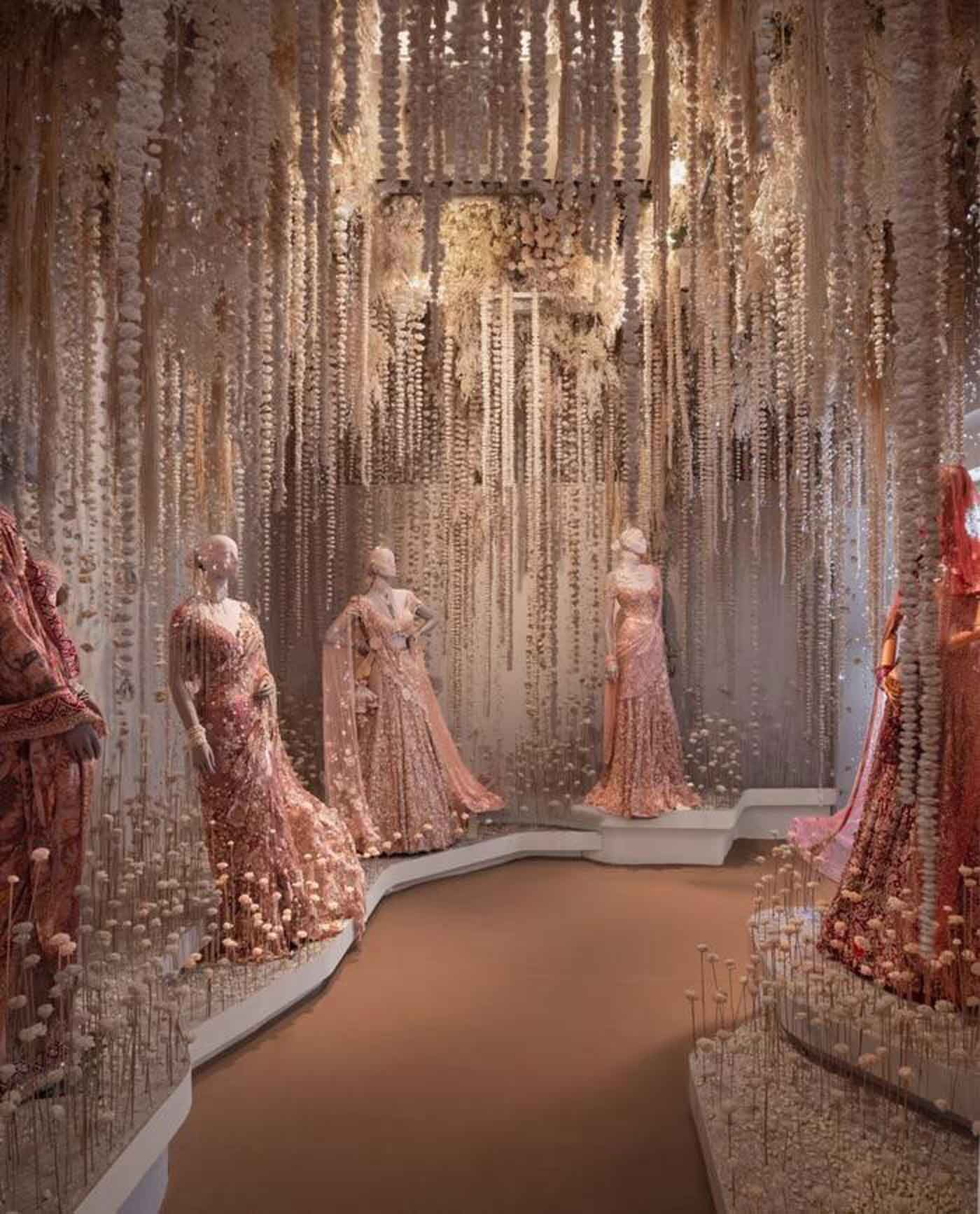
Among the strongest collections came from Tarun Tahiliani, whose final couture presentation demonstrated that innovation doesn’t always require abandoning tradition.
His sculpted velvet torso gowns, inspired by ancient Indian temple sculptures, became instant conversation starters. While many online compared them to Schiaparelli, Tahiliani’s interpretation remained unmistakably rooted in Indian drapery and classical sculpture.
The garments hugged the body without restricting movement. Another standout was his breathtaking mother-of-pearl blouse that blurred the boundaries between jewellery, sculpture, and clothing.
It wasn’t simply couture. It was wearable art.
Rahul Mishra Delivered The Finale Everyone Remembered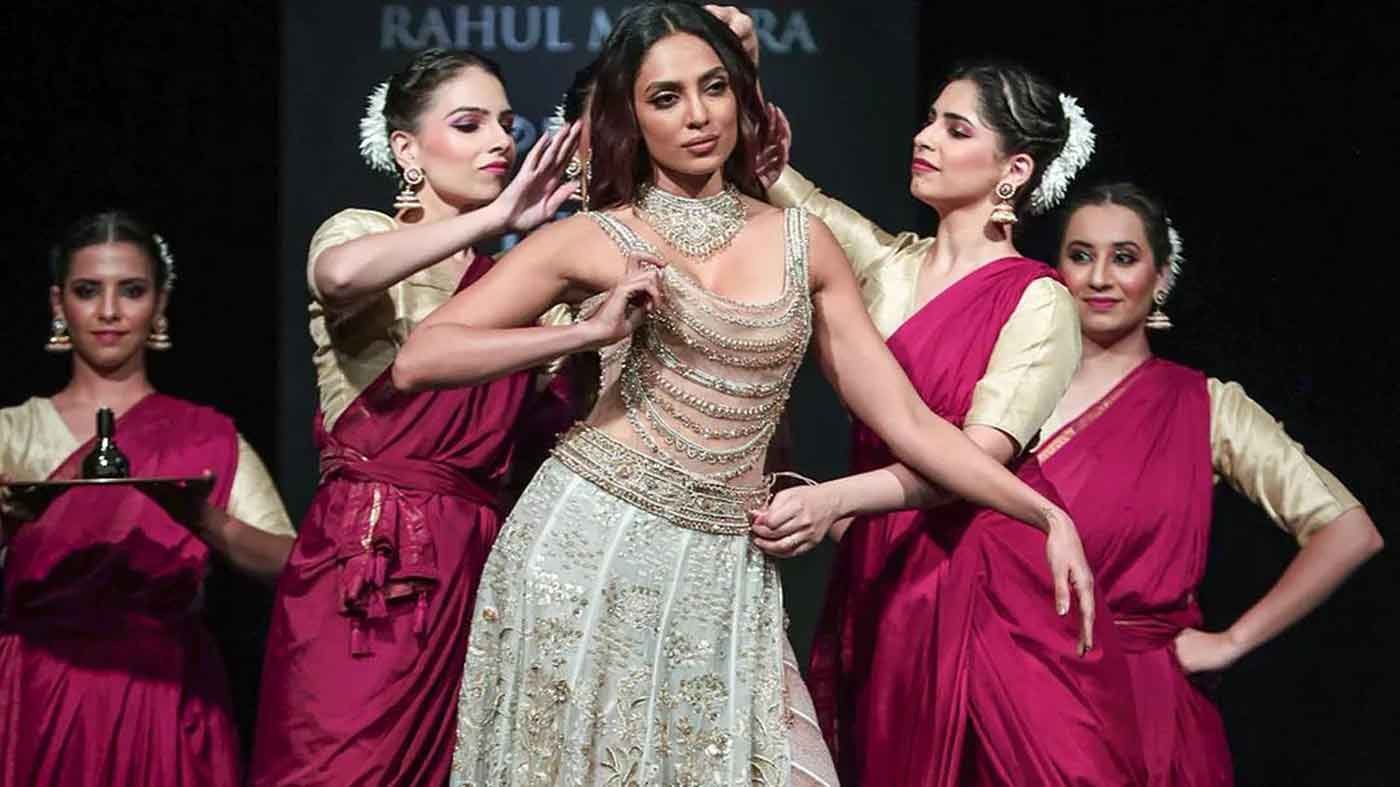
If one image from India Couture Week 2026 will endure, it is undoubtedly Sobhita Dhulipala closing Rahul Mishra’s show. She first appeared in a hand-embroidered bodysuit before transforming on stage with the addition of a traditional ghagra.
The styling perfectly captured Rahul Mishra’s larger philosophy. Couture isn’t about rigid dress codes. It’s about transformation. The finale suggested that Indian couture doesn’t have to remain confined to wedding ceremonies. It can become expressive, experimental, and endlessly adaptable.
Rimzim Dadu Continued To Challenge Materials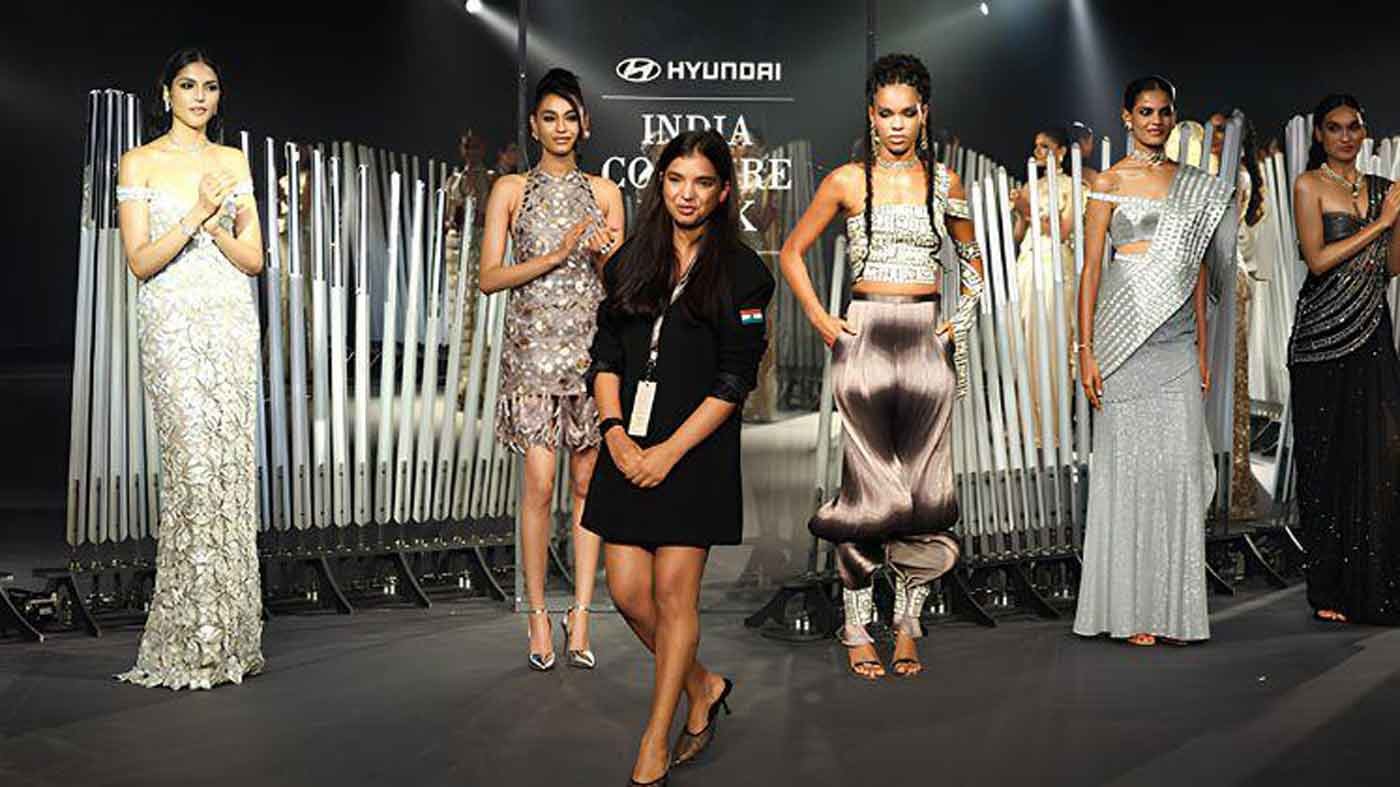
Rimzim Dadu once again proved why she remains one of India’s most innovative designers. Her reinterpretation of mother-of-pearl as a textile pushed material experimentation into exciting territory.
Perhaps even more importantly, she embraced silhouettes that accommodated different body types rather than insisting on ultra-structured tailoring.
The collection felt progressive without trying too hard.
The Return Of Supermodels Was Refreshing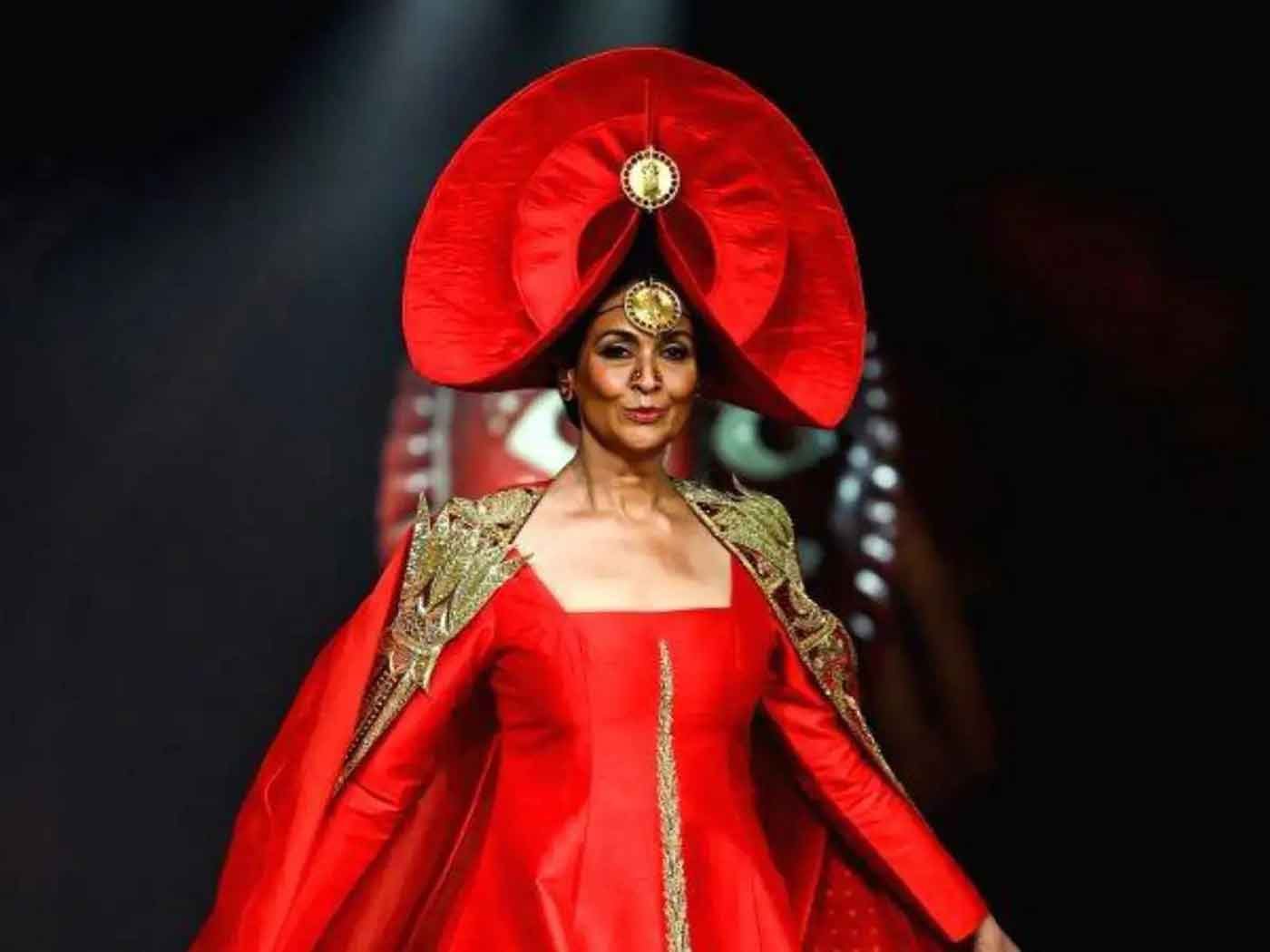
One of the season’s biggest highlights was the return of legendary supermodels to the runway. Watching icons like Madhu Sapre command the stage reminded audiences that charisma doesn’t disappear with age.
However, their return also raised an uncomfortable question. Where are India’s next generation of supermodels?
Every fashion industry needs fresh faces it can nurture over decades. Icons cannot be reused forever.
The Runway Left Behind More Than Memories
One detail repeatedly caught the eye after several shows. Broken beads. Loose sequins. Trails of embellishments scattered across the runway. Whether caused by rushed production, heavy embroidery, or construction flaws, it raised questions about durability.
Garments commanding couture-level prices should survive more than a single runway walk. Craftsmanship isn’t only about appearance. It is also about longevity.
Jewellery Quietly Stole The Season
While garments dominated conversations, several jewellery collections deserved equal attention. Aisha Rao’s statement danglers balanced drama with elegance.
Rahul Mishra’s fabric neckpieces blurred the line between textile and ornament. J.J. Valaya’s elaborate chokers reaffirmed why Indian jewellery remains one of couture’s greatest strengths.
Together, they elevated otherwise understated looks into complete visual narratives.
Where Are India’s Young Couturiers?
Perhaps the biggest question left unanswered by this year’s calendar concerns its designers. Most established names continue to dominate the schedule, with many now well into their forties and fifties.
Experience undoubtedly enriches couture. But industries stagnate without fresh voices. Emerging designers deserve greater opportunities to challenge conventions and reshape what Indian couture can become.
Otherwise, the industry risks becoming an echo chamber of familiar aesthetics.
The Verdict
India Couture Week 2026 wasn’t revolutionary. But it was undeniably transitional. Designers embraced wearability without abandoning craftsmanship. Menswear grew stronger. Bridal fashion became more inclusive. Materials became more experimental. And couture slowly detached itself from being synonymous with weddings alone.
The week also exposed areas that still demand attention, body diversity, structural innovation, garment durability, and opportunities for younger designers.
If this season proved anything, it is that the future of Indian couture doesn’t lie in making heavier lehengas. It lies in creating garments that people genuinely want to wear, reinterpret, and live in, long after the wedding ends.