

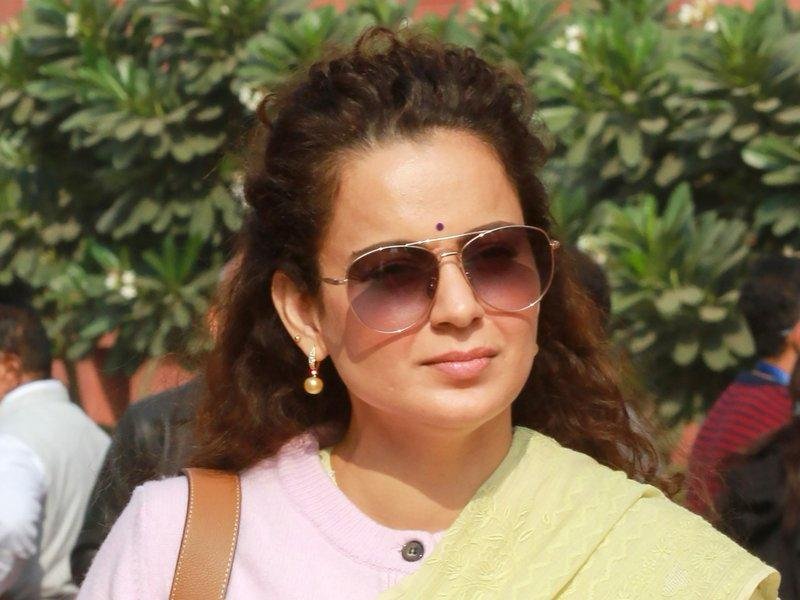
Kangana Ranaut’s “Generation Gutter” Remarks Spark Debate on Women’s Freedom
Actor and BJP MP Kangana Ranaut has once again found herself at the centre of controversy after sharing a strongly worded Instagram Story targeting what she called “Generation Gutter.” The post criticised young women who, according to her, imitate the lifestyles of “independent career women” without earning that freedom.
Kangana wrote that women who are truly independent make bold choices, pursue unconventional careers, and take full responsibility for their actions because they rely on themselves rather than their families.
She then contrasted them with what she described as a new generation of “westernised Indian women.”
“Some of them have nothing to offer to the system… They proudly flaunt their freedom to have drugs, drinks or endless body counts and shamelessly live off their parents’ earnings.”
She concluded by saying that independence must be earned and called women who seek freedom without accountability “Generation Gutter” and “gutter chhap.”
A Remark That Divided Opinion
The statement immediately divided social media.
Supporters argued that Kangana was criticising entitlement rather than women themselves. They claimed financial independence naturally comes with responsibility and accountability. Critics, however, saw something very different.

Many argued that the post crossed the line from discussing responsibility into policing women’s personal choices. They questioned why a woman’s lifestyle, relationships, clothing, or alcohol consumption should determine her worth.
An Irony That Many Pointed Out
The criticism became sharper because of Kangana’s own public image.
For nearly two decades, she has built her career around challenging conventions. She has played unconventional female characters, openly criticised powerful figures in Bollywood, started her own production house, directed films, won four National Film Awards for acting, received the Padma Shri, and entered Parliament as a BJP MP.
Her journey has often been presented as one of independence and defiance.
That is precisely why many found the latest remarks contradictory.
Instead of defending women’s agency, critics argue that Kangana appears to be defining which kinds of women deserve freedom and which do not.
Freedom Is Not Conditional
The debate also raises a broader question.
Should a woman’s personal choices determine whether society respects her autonomy?
Whether someone drinks, dates multiple partners, chooses not to marry, or lives differently from traditional expectations remains a matter of personal liberty. Critics argue that autonomy does not disappear simply because someone makes choices others disagree with.
Supporters of individual rights point out that the same freedoms people celebrate in men often become reasons to shame women.

The Larger Conversation
Kangana’s comments arrive at a time when conversations around feminism have become increasingly polarised.
One side emphasises personal responsibility alongside freedom. The other argues that women’s freedoms should never depend on meeting someone else’s definition of morality.
The discussion is no longer just about one Instagram Story.
It has become another chapter in the continuing debate over who gets to define independence, respectability, and womanhood in modern India.
Whatever one’s position, Kangana Ranaut’s remarks have once again reignited one of the country’s most contested conversations—whether women’s freedom should come with conditions, or whether freedom, by definition, belongs to every woman equally.