
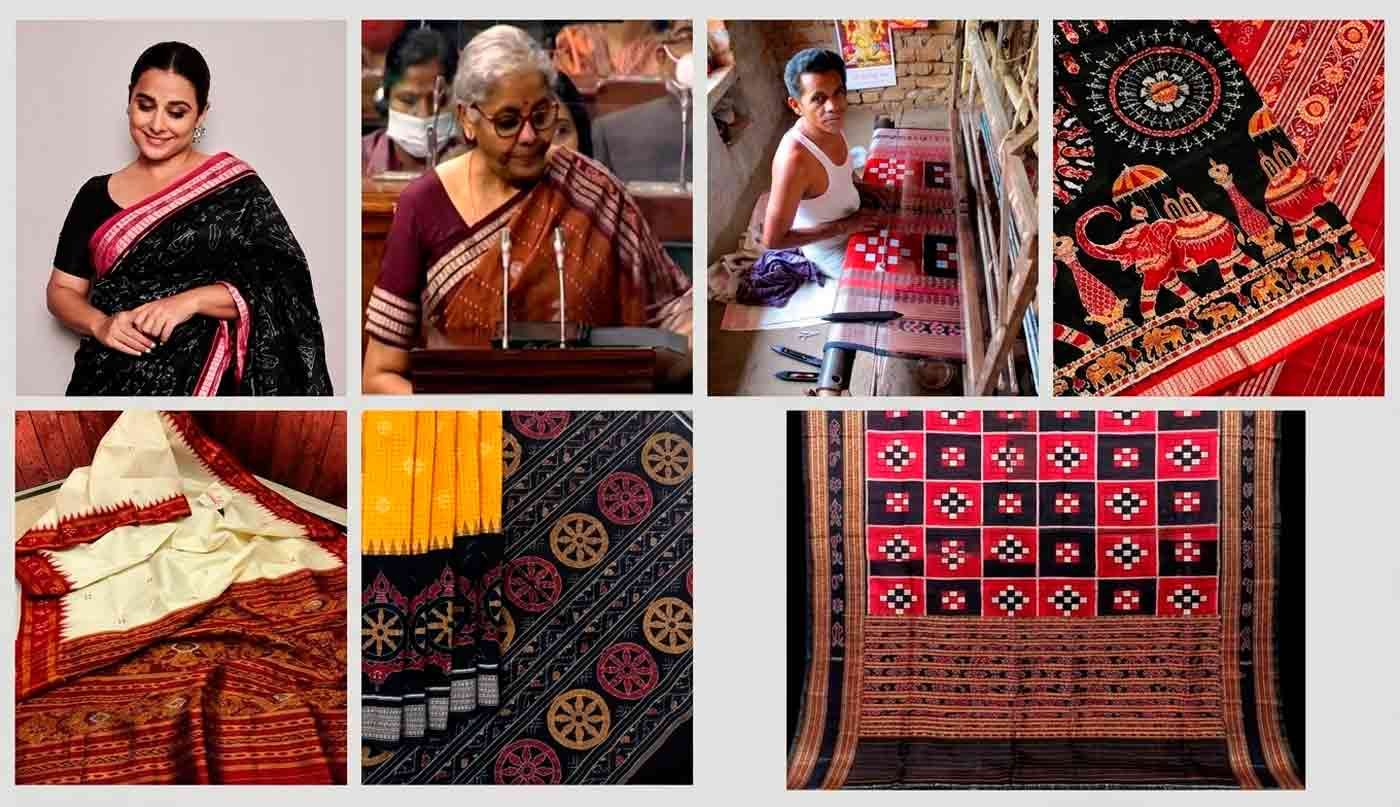
Timeless elegance meets planet-saving power. Sambalpuri sarees from Odisha are exploding in popularity in 2026, handwoven with zero-waste ikat mastery and vibrant natural dyes. These eco-champions defy fast fashion’s waste, delivering durable luxury that honors heritage while captivating modern wardrobes. Dyed exclusively with vegetable colors and free from chemicals, they represent India’s shift toward green textiles rooted in ancient traditions.
Historical Roots
Originating in western Odisha’s Sambalpur, Bargarh, Sonepur, and Boudh regions, Sambalpuri sarees trace back centuries, with some links to the 12th-century Chauhan dynasty. The ikat technique, tying and dyeing yarns before weaving, creates geometric, floral, and tribal motifs symbolizing cultural identity and nature. Gaining national fame in the 1980s through political leaders’ adoption, these sarees evolved from tribal wear to celebrated heritage.
Region and Craftsmanship
Handwoven on traditional shuttle-pit looms in Odisha’s heartland, each saree demands weeks of labor using mulberry silk or mercerized cotton. Artisans employ double ikat for blurred, poetic patterns in earthy hues from plants, roots, minerals, and barks, no synthetic dyes, ensuring fade-resistant vibrancy that improves with age. This vegetable-dye practice, a sustainability cornerstone, supports soil health and zero-waste weaving.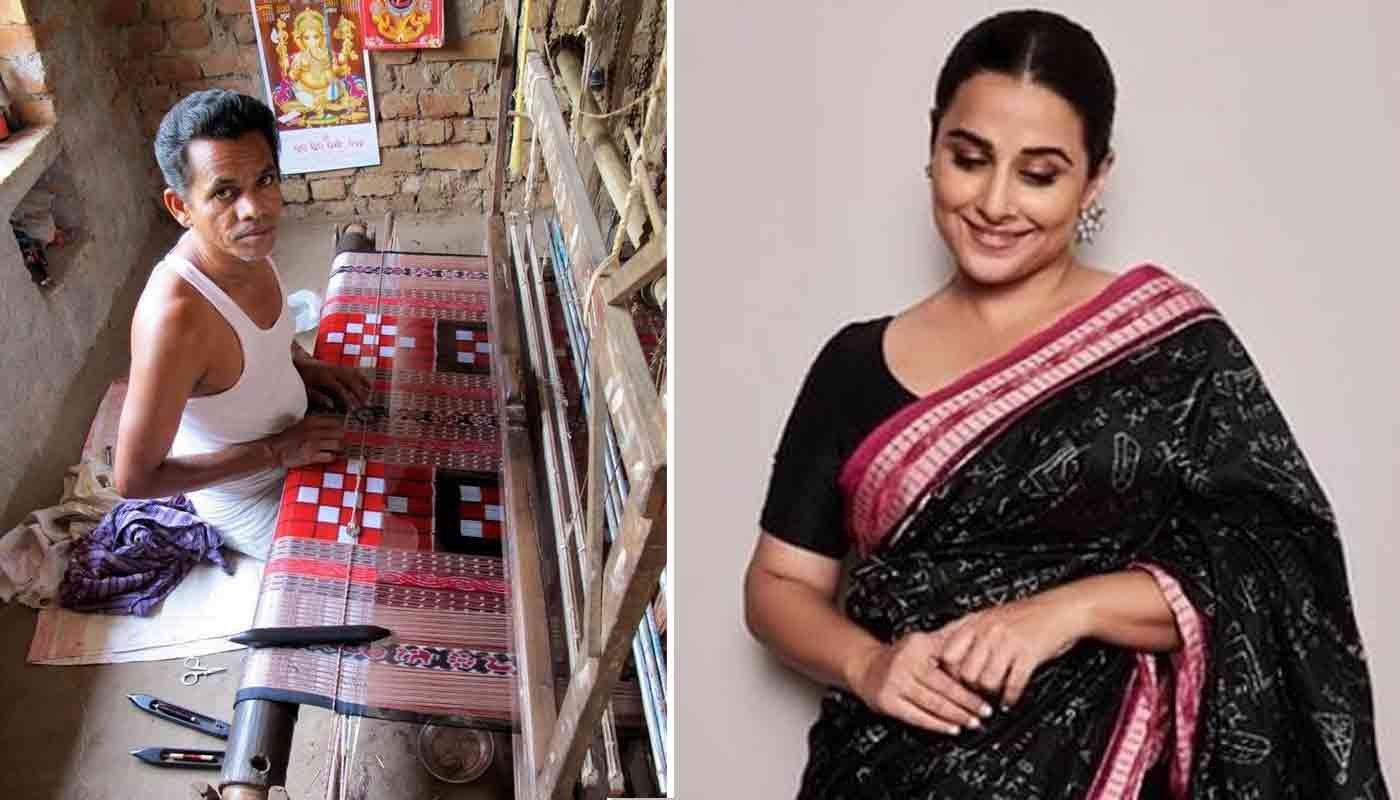
Cultural Significance
Beyond fabric, Sambalpuri sarees preserve tribal lore through motifs like animals, temples, and pasapalli checks, fostering community pride and artisan livelihoods. They symbolize resilience against machine-made textiles, empowering Odisha’s 5,000+ weavers trained in traditional designs. On Fashion Revolution Day, they champion slow fashion, reducing environmental harm while honoring indigenous skills.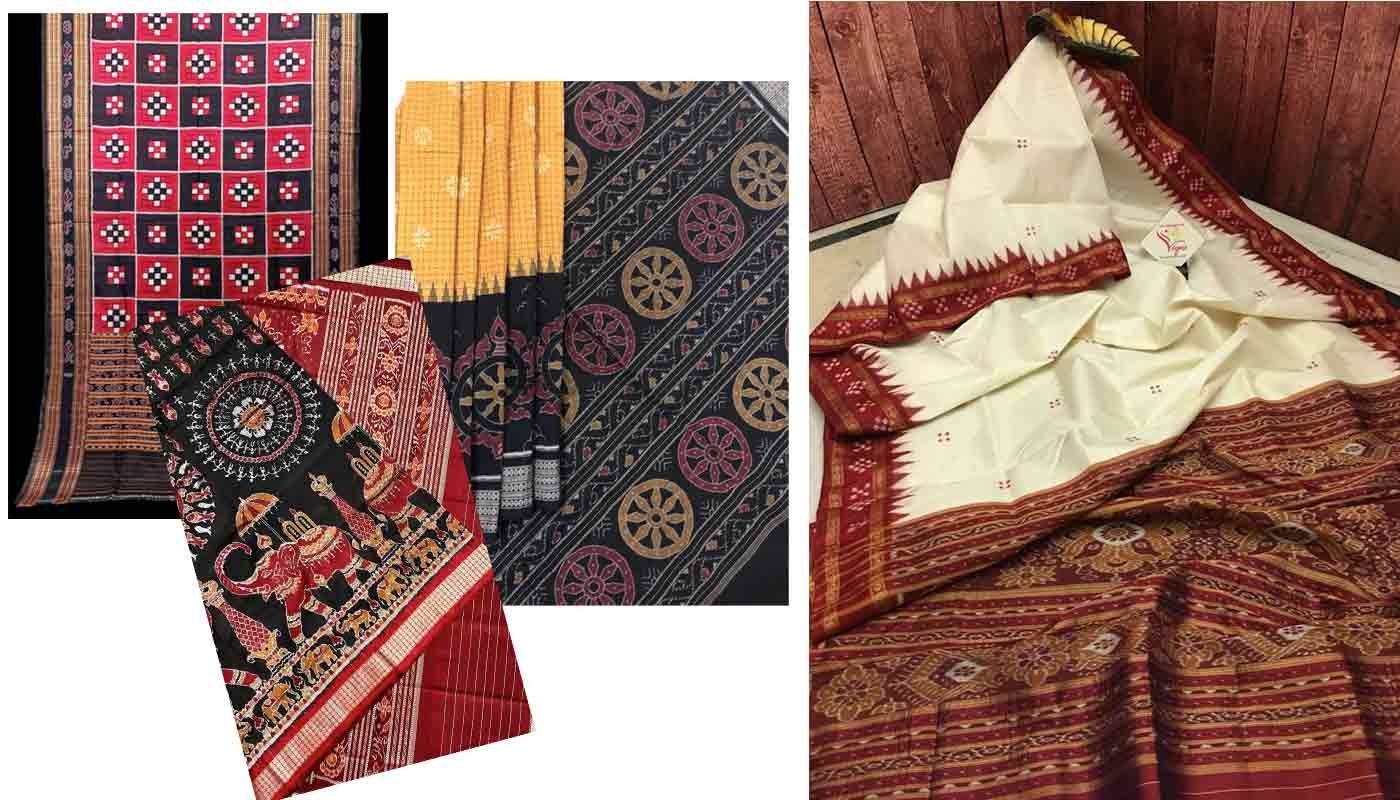
Celebrity Endorsements for Sambalpuri Sarees
Union Finance Minister Nirmala Sitharaman has praised Sambalpuri sarees multiple times, calling them her favorite and expressing, “I love to wear Sambalpuri sarees,” highlighting their appeal as a reflection of Odisha’s rich handloom heritage.
Shabana Azmi, a veteran actress and handloom advocate, champions Odisha weaves like Sambalpuri in her wardrobe, stating her deep appreciation for these eco-friendly masterpieces through consistent promotion of authentic handloom.
Numerous celebrities have embraced Sambalpur sarees, showcasing Odisha’s rich handloom heritage. Vidya Balan dazzles in earthy cotton motifs, while Sonam Kapoor fuses them with modern twists. Priyanka Chopra and Pratibha Patil exude elegance, and Tisca Chopra raved about their patta weave on Instagram. These ikat masterpieces blend tradition and glamour effortlessly.
Modern Revival and Celebs
Today, weaver Harilal Meher, 76, revives rare patterns, blending them with contemporary motifs for global appeal; he trained 5,000 artisans and earned the Sant Kabir Award.
In essence, Sambalpuri sarees embody sustainable luxury, handcrafted, enduring, and earth-friendly. As 2026’s fashion wave surges, they invite us to embrace ethical elegance that weaves tradition into tomorrow’s wardrobes, proving slow fashion isn’t just chic, it’s the future.