
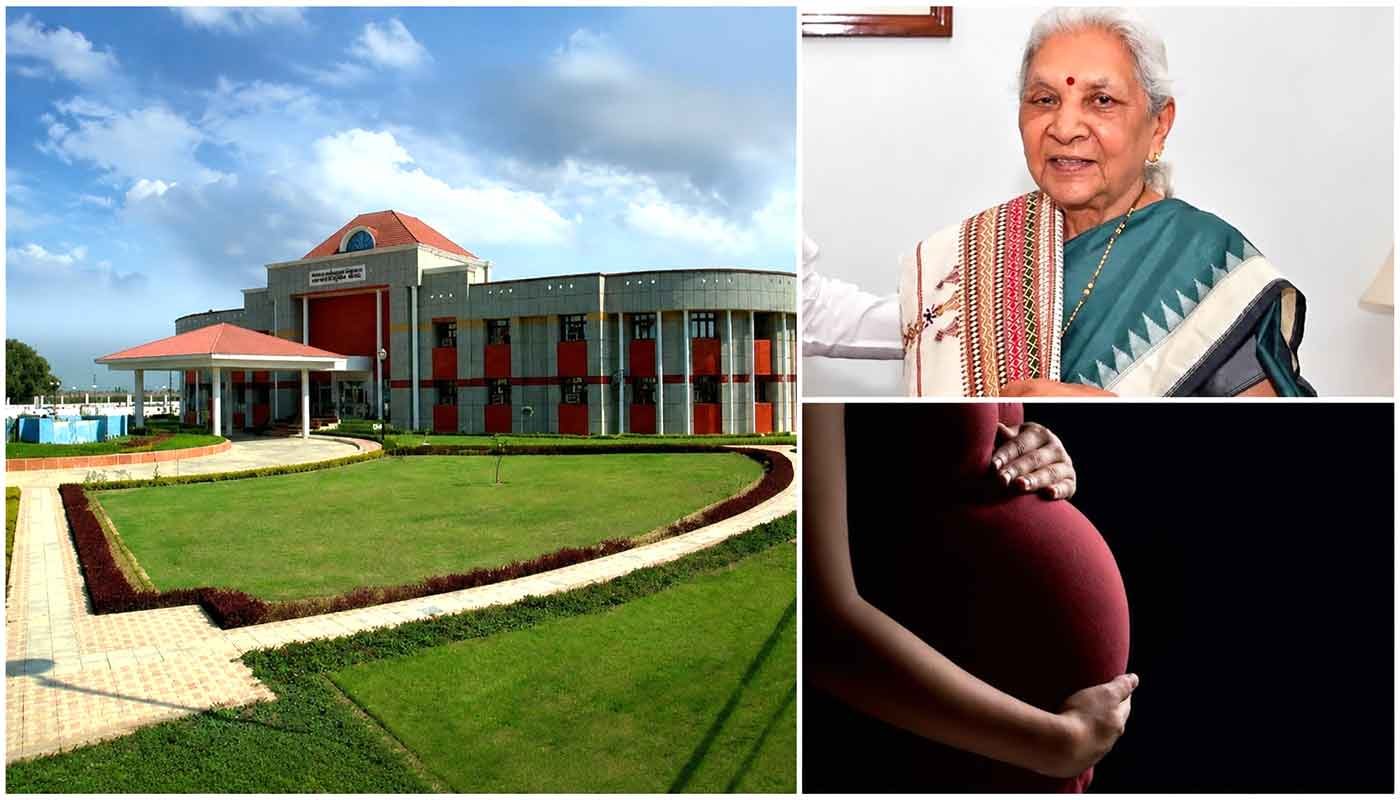
At the 41st convocation of Chhatrapati Shahu Ji Maharaj University, Uttar Pradesh Governor Anandiben Patel made a statement that has since ignited widespread debate.
Addressing students, parents, and faculty, Patel said: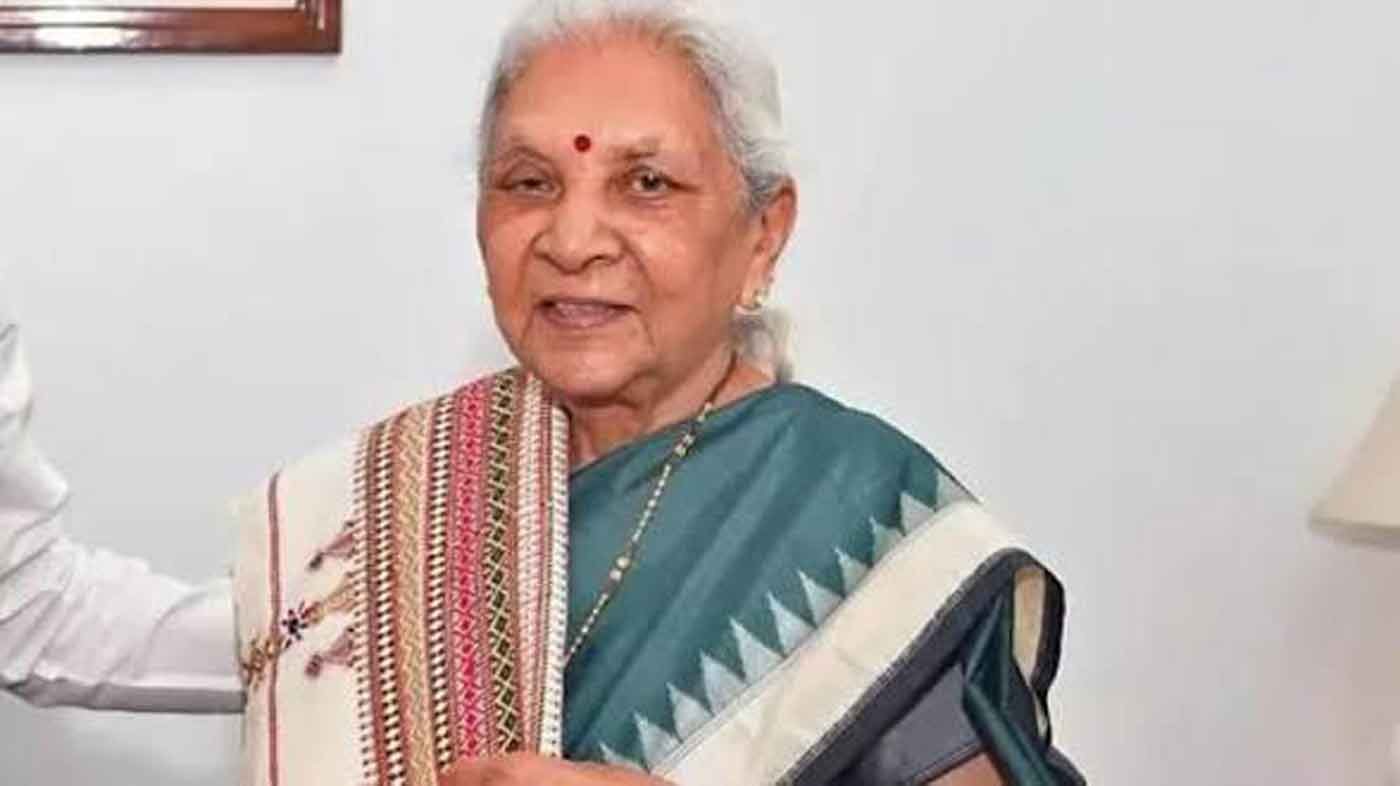
“Whether you become an IAS officer or a teacher, first become an expert mother. Everyone should know how to cook the food prepared at home.”
She also encouraged young women to continue their education after marriage and contribute to nation-building while balancing family responsibilities.
At first glance, the remarks may appear to celebrate motherhood. The problem is not with valuing mothers. The problem is with expecting women, and women alone, to prove themselves in roles that men are rarely asked to master. When was the last time a public leader stood before a graduating class and declared:
“Before becoming an IAS officer, become an expert father.”
Or:
“Every man should know how to raise a child before becoming successful.”
Such statements are almost never made. That is precisely why Patel’s remarks have struck a nerve.
Across India, women already shoulder a disproportionate share of unpaid domestic labour. They pursue degrees, build careers, navigate workplaces, and yet are still expected to remain the primary caregivers, cooks, emotional anchors, and default parents within a household. Their professional achievements are often accompanied by an invisible checklist that society rarely hands to men. Motherhood is an extraordinary responsibility.
Pregnancy transforms a woman’s body in countless ways. Childbirth carries physical and emotional risks. Recovery can take months. Many mothers sacrifice sleep, career opportunities, financial independence, and personal aspirations while raising children.
And yet, despite all of this, society often asks them to do more. Be an excellent employee. Be an excellent wife. Be an excellent daughter-in-law. And now, apparently, be an “expert mother” before anything else.
Parenting, however, is not motherhood alone. It is parenthood. Children do not flourish because one parent carries every responsibility. They thrive when caregiving, emotional support, discipline, and household responsibilities are shared. This is not an argument against motherhood.
It is an argument against assigning motherhood as a woman’s defining achievement while treating fatherhood as optional or secondary.
To be fair, Patel also encouraged women to continue their education and careers after marriage rather than abandoning them. That aspect of her speech reflects support for women’s aspirations.
However, even that message was framed through the expectation that women must simultaneously ensure the well-being of their families. The equivalent expectation was not directed at men. That imbalance matters.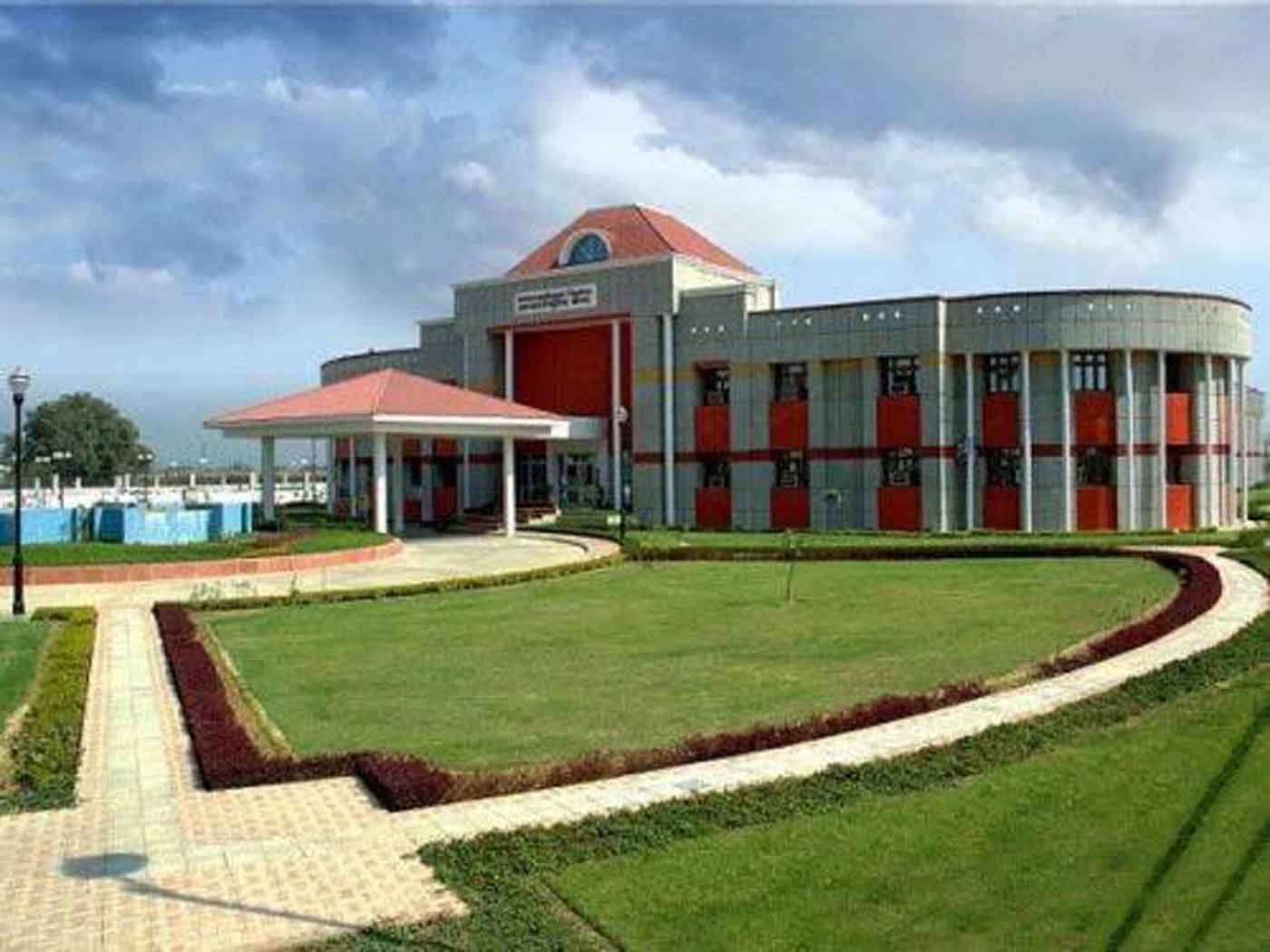
Public figures shape public attitudes. When leaders repeatedly frame caregiving as a woman’s foremost responsibility, they reinforce the belief that domestic work belongs primarily to women, regardless of how educated or professionally accomplished they become.
India certainly needs compassionate mothers. But it also needs compassionate fathers. It needs fathers who share childcare, household work, emotional labour, school meetings, midnight feedings, and everyday parenting. It needs boys who grow up believing that raising a family is as much their responsibility as their future partner’s.
The conversation, therefore, should not be about whether women should value motherhood. Many do.
The real question is why society continues to celebrate motherhood while placing far less emphasis on active, equal fatherhood. Equality does not diminish mothers. It simply asks fathers to stand beside them rather than behind them.
Perhaps the message graduating students need to hear is not that women should become “expert mothers” before becoming professionals. It is that every parent, regardless of gender, shares an equal responsibility in building both a family and a better society.