
The movement that began as a hunger strike has now transformed into one of the country’s most closely watched public demonstrations.
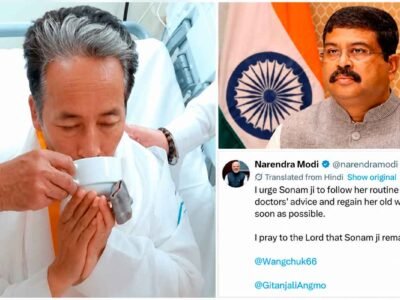
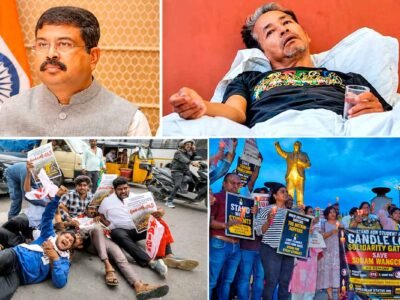
On 20 July, thousands of students, activists, educators, and citizens converged in Delhi for the much-anticipated ‘Chalo Sansad’ (March to Parliament), answering activist and innovator Sonam Wangchuk’s appeal from Safdarjung Hospital, where he continues his hunger strike after being shifted there by Delhi Police earlier this week.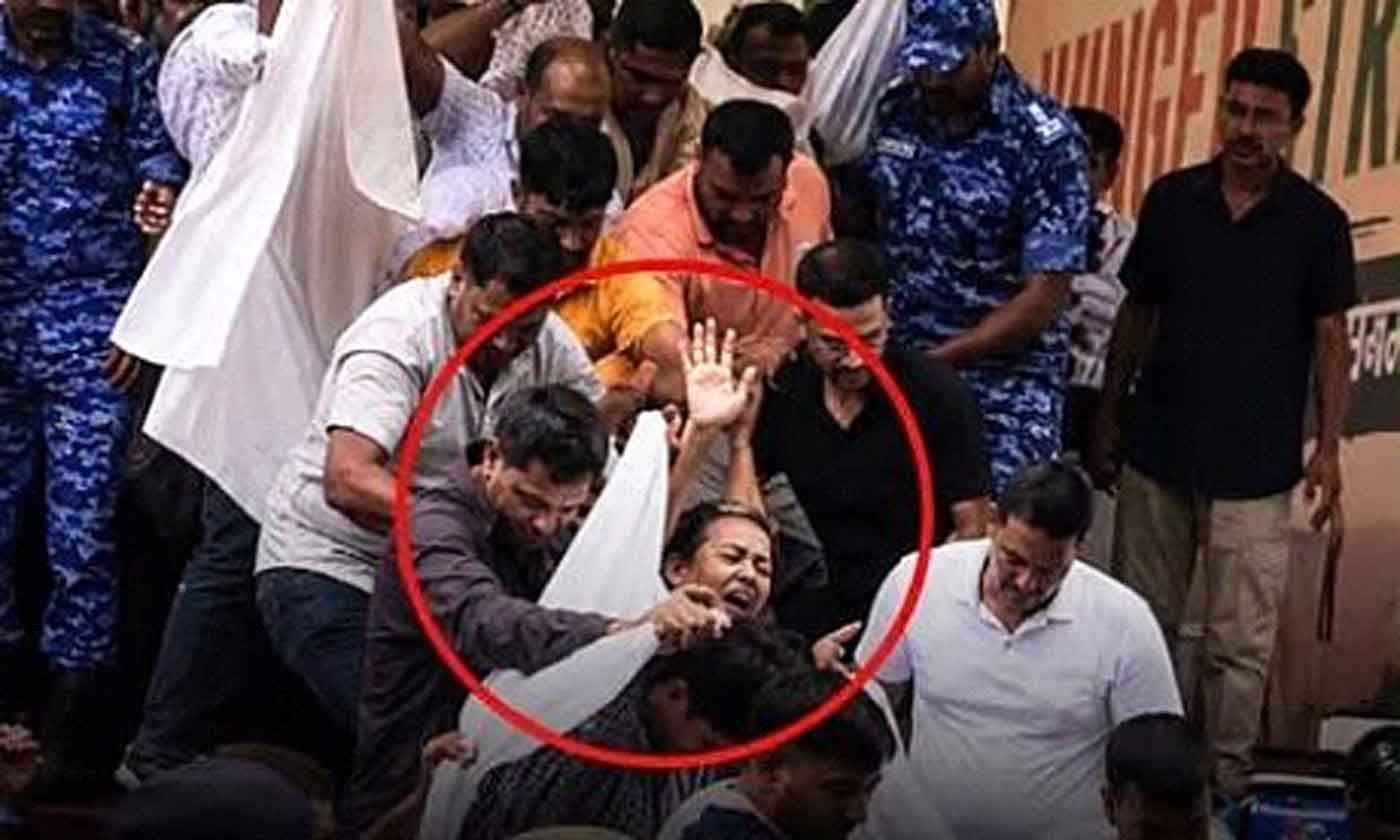
Before the march, Wangchuk released a message through his wife, Gitanjali Angmo, describing the protest as “India’s second freedom movement.”
“20th July, Azadi ka doosra aandolan. Anyay-mukt Bharat. Freedom from injustice like paper leaks, freedom from fear. My illegal detention. India’s second freedom movement. March to the Parliament. Please make it a big success.”
The message quickly spread across social media, becoming the rallying cry for demonstrators gathering at Jantar Mantar and surrounding areas.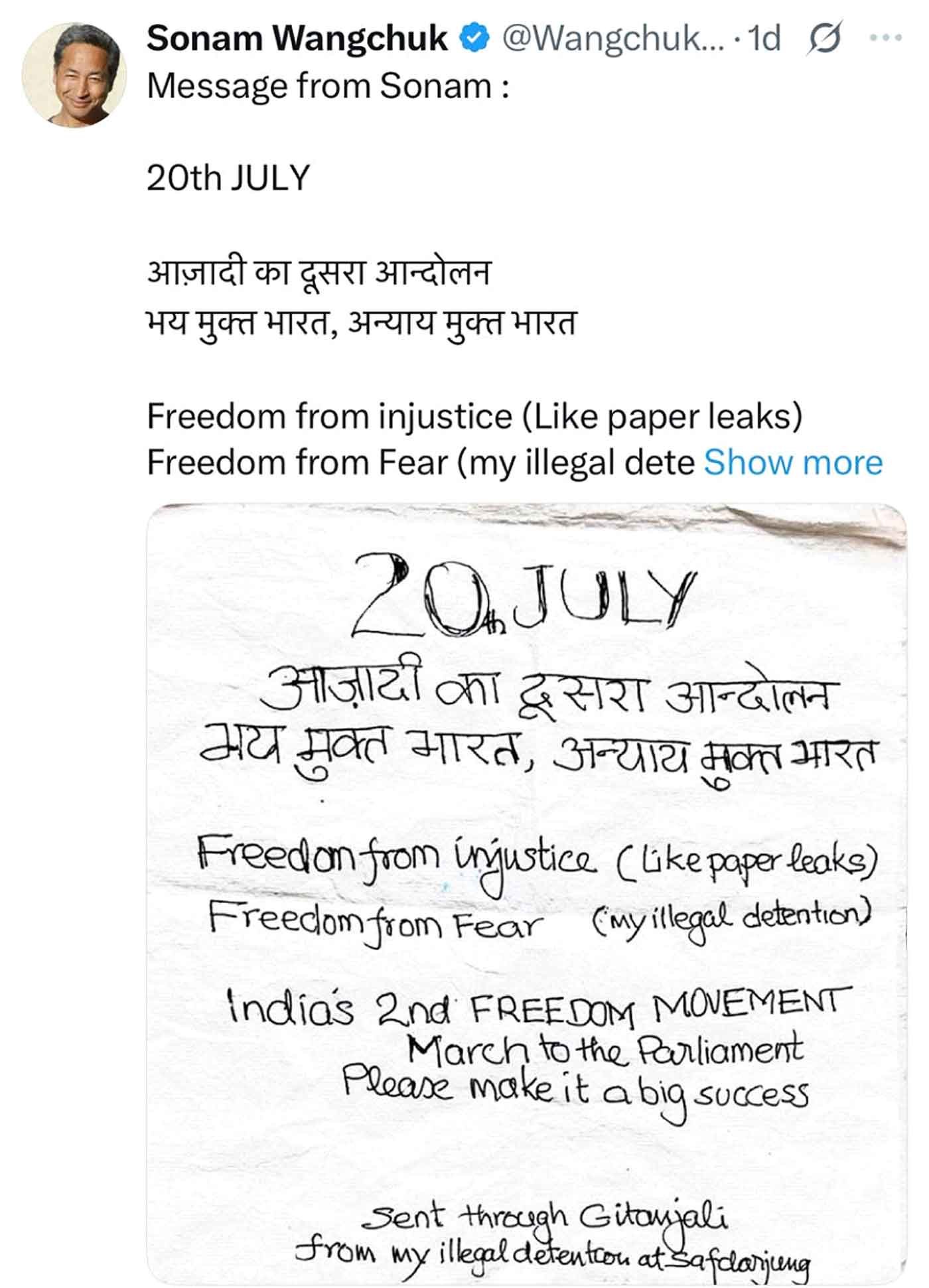
Delhi under unprecedented security
Anticipating large crowds, authorities imposed extensive security arrangements across central Delhi.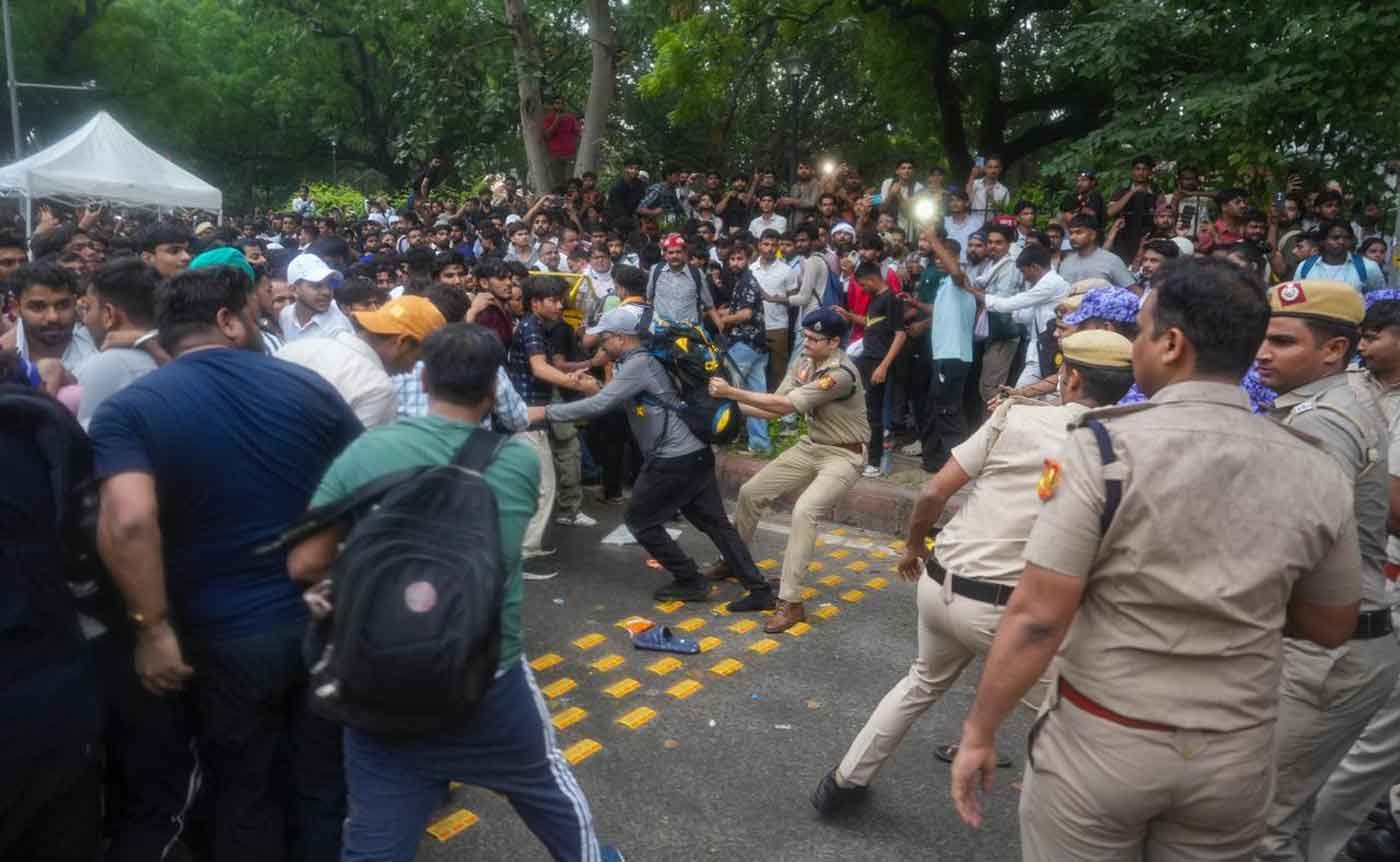
Several key Delhi Metro stations, including Rajiv Chowk, Janpath, Patel Chowk, Central Secretariat, and Seva Teerth, were closed or had their entry and exit points suspended due to security concerns surrounding the Parliament march. The restrictions left many commuters stranded, while others were forced to walk considerable distances to reach the protest venue.
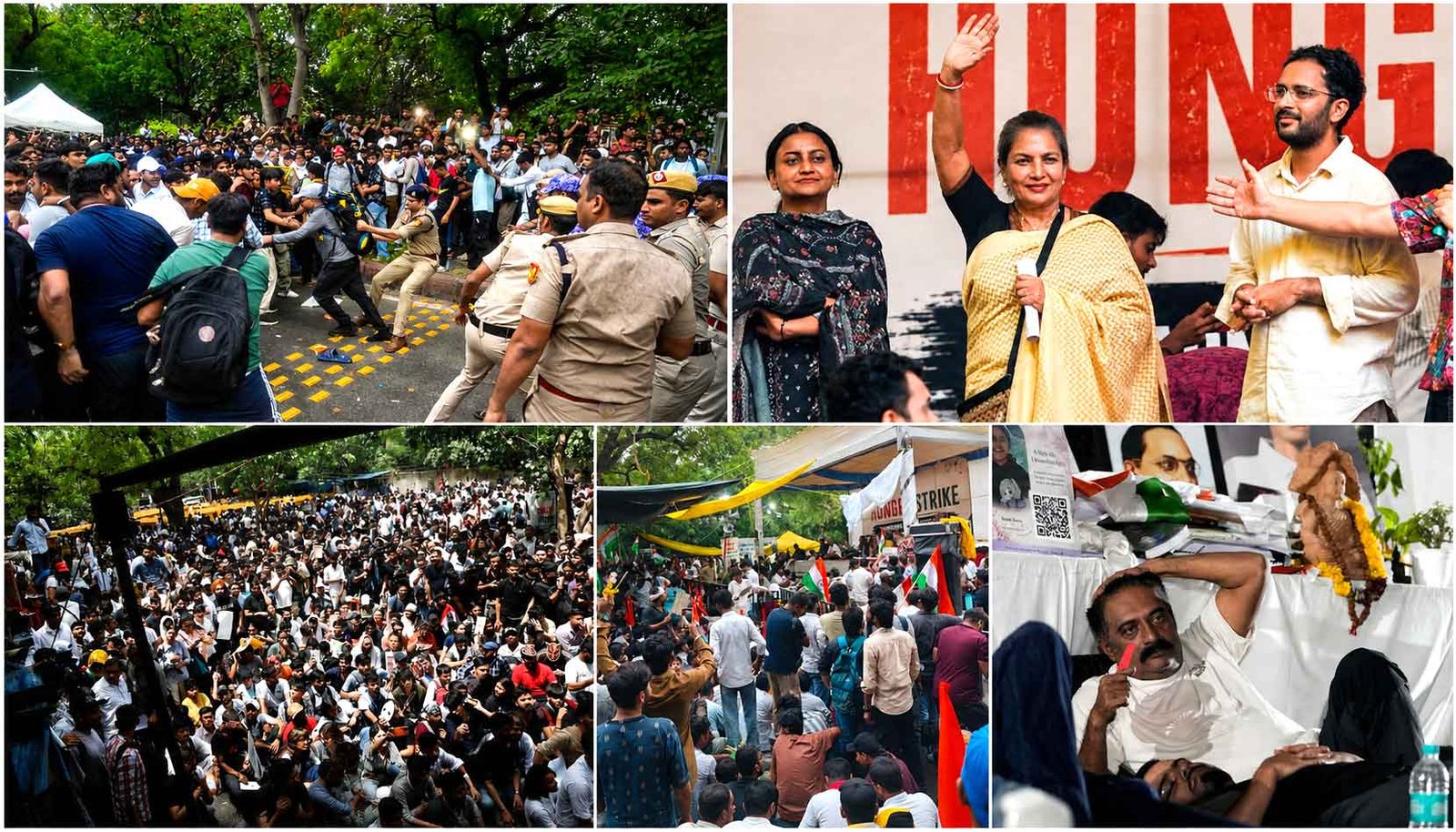
Despite the transport disruptions, demonstrators continued arriving throughout the morning, with roads around Jantar Mantar witnessing a steady influx of students and supporters determined to participate.
Students continue marching despite restrictions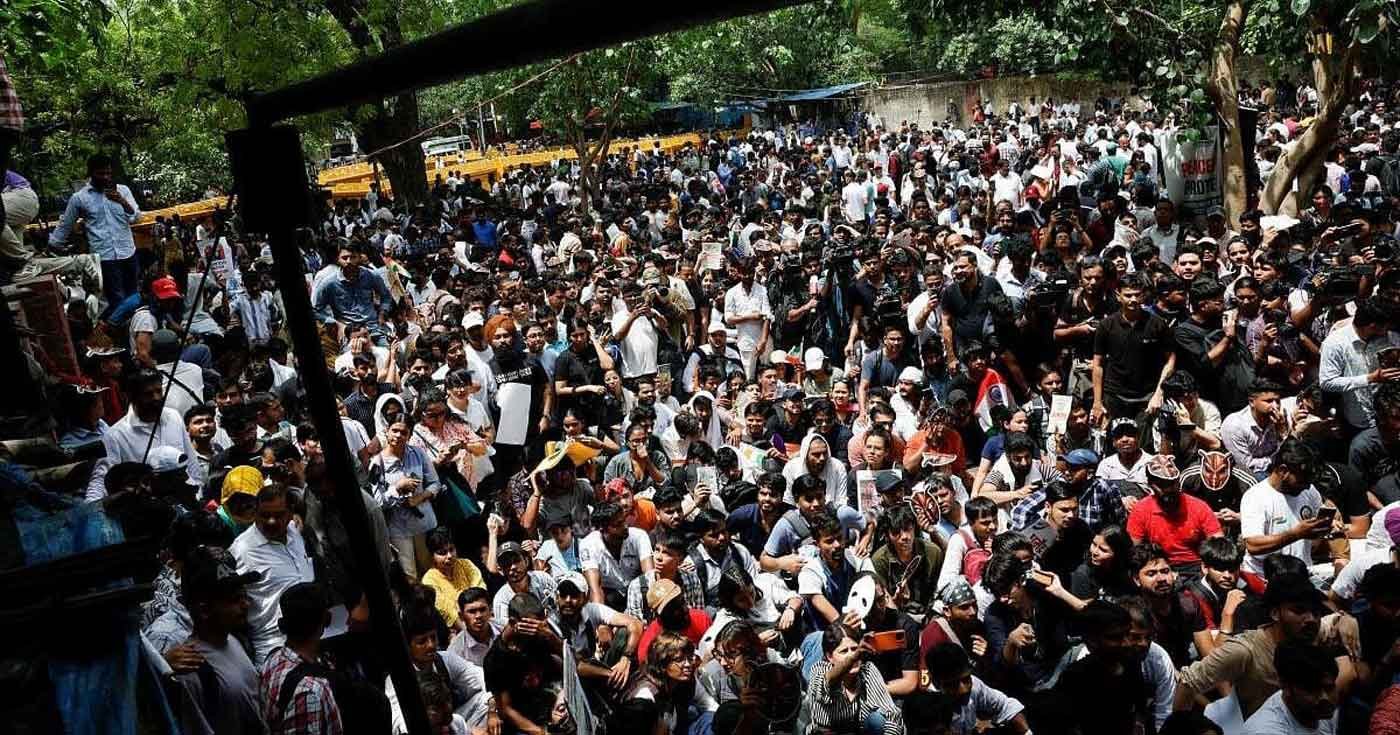
As the march progressed, reports emerged of Delhi Police removing groups of students from areas surrounding Jantar Mantar, where participants had assembled to voice their concerns over examination irregularities and institutional accountability.
The police action has reignited debate over the space available for peaceful democratic protest in the national capital. Protesters maintained that their demands remain unchanged: accountability, justice for students, transparency in public examinations, and protection of democratic rights.
Shabana Azmi joins the movement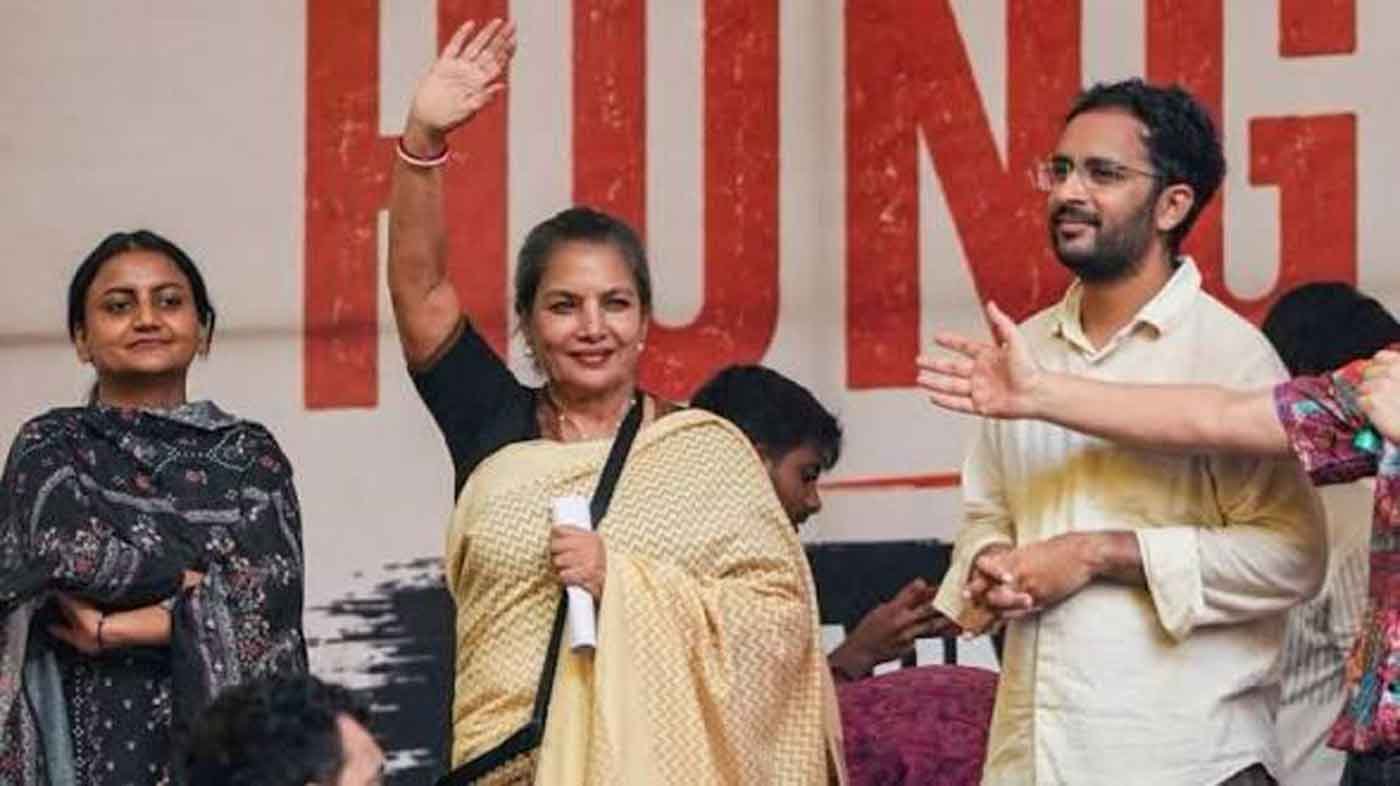
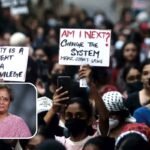
The protest also witnessed the presence of prominent public figures. Veteran actor Shabana Azmi joined demonstrators at Jantar Mantar, lending her support to the movement. Actor-filmmaker Prakash Raj was also among the notable personalities who expressed solidarity with the ongoing agitation, reflecting how the movement has expanded beyond student circles into a broader public campaign.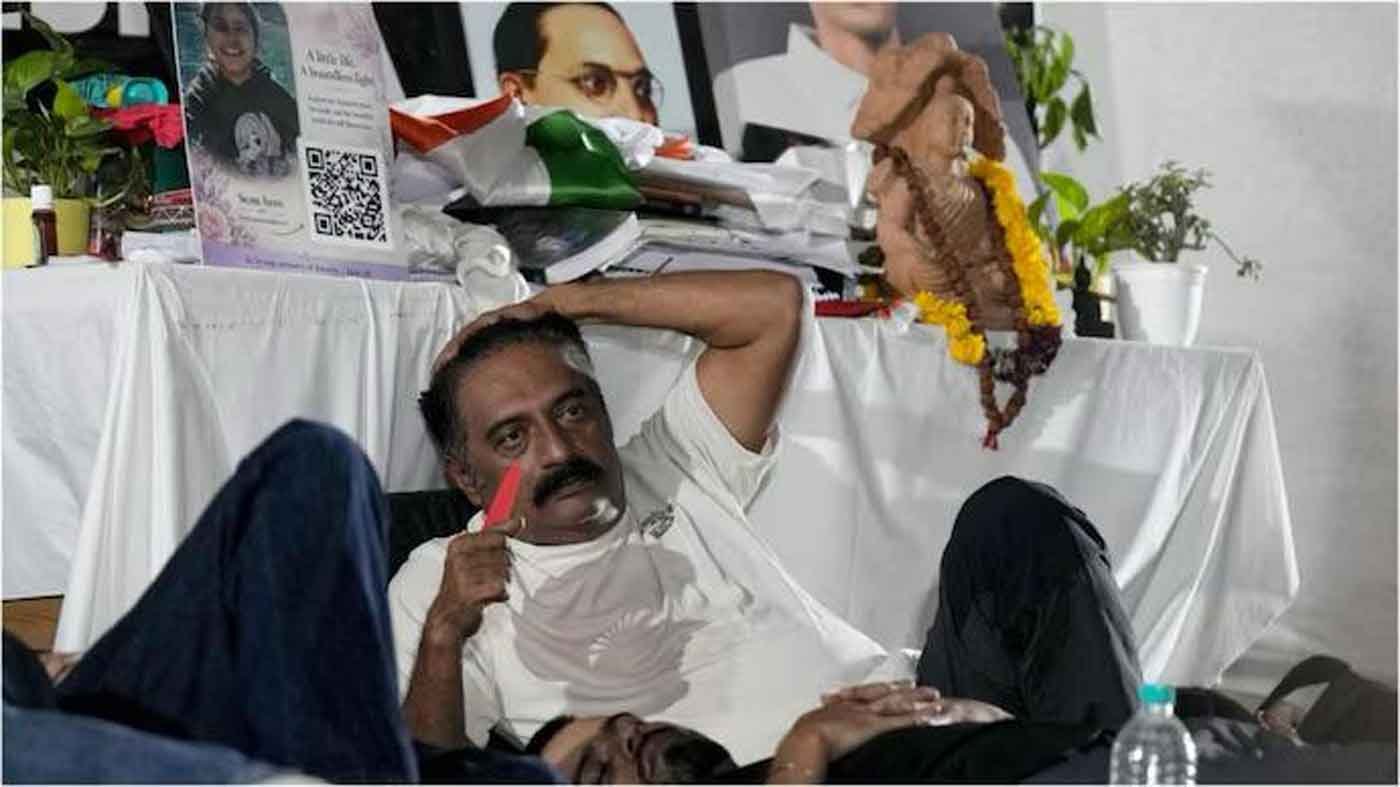
Wangchuk continues hunger strike from hospital
Meanwhile, Sonam Wangchuk remains admitted to Safdarjung Hospital, where he continues his fast while refusing oral or intravenous medical intervention, according to his supporters.
In a separate statement issued today, Wangchuk said he would consider ending his hunger strike only if meaningful assurances are given regarding the issues he has raised, including action on examination-related concerns and parliamentary engagement. He also alleged restrictions on his freedom of movement and communication while under medical supervision.
A movement larger than one individual
What began as a protest over alleged examination irregularities has steadily evolved into a broader conversation on public accountability, democratic participation, and institutional trust.
Even with heightened security, restricted access to central Delhi, Metro station closures, and police action near the protest site, demonstrators continue to gather, carrying forward Wangchuk’s appeal for what he calls an “Anyay-Mukt Bharat”, an India free from injustice.
As the march continues, one message echoes across placards, slogans, and social media alike: the demand for accountability has not diminished, it has only grown louder.