


For generations, marriage was often described as a responsibility, a compromise, a duty, or a social institution. Rarely was it described as fun. Yet, if one were to scroll through the social media feeds of Sonakshi Sinha and Zaheer Iqbal, the definition appears remarkably different. On the occasion of their wedding anniversary, the internet is once again flooded with clips of the two doing what they do best, not posing as the perfect husband and wife, but behaving like two best friends who somehow happened to get married.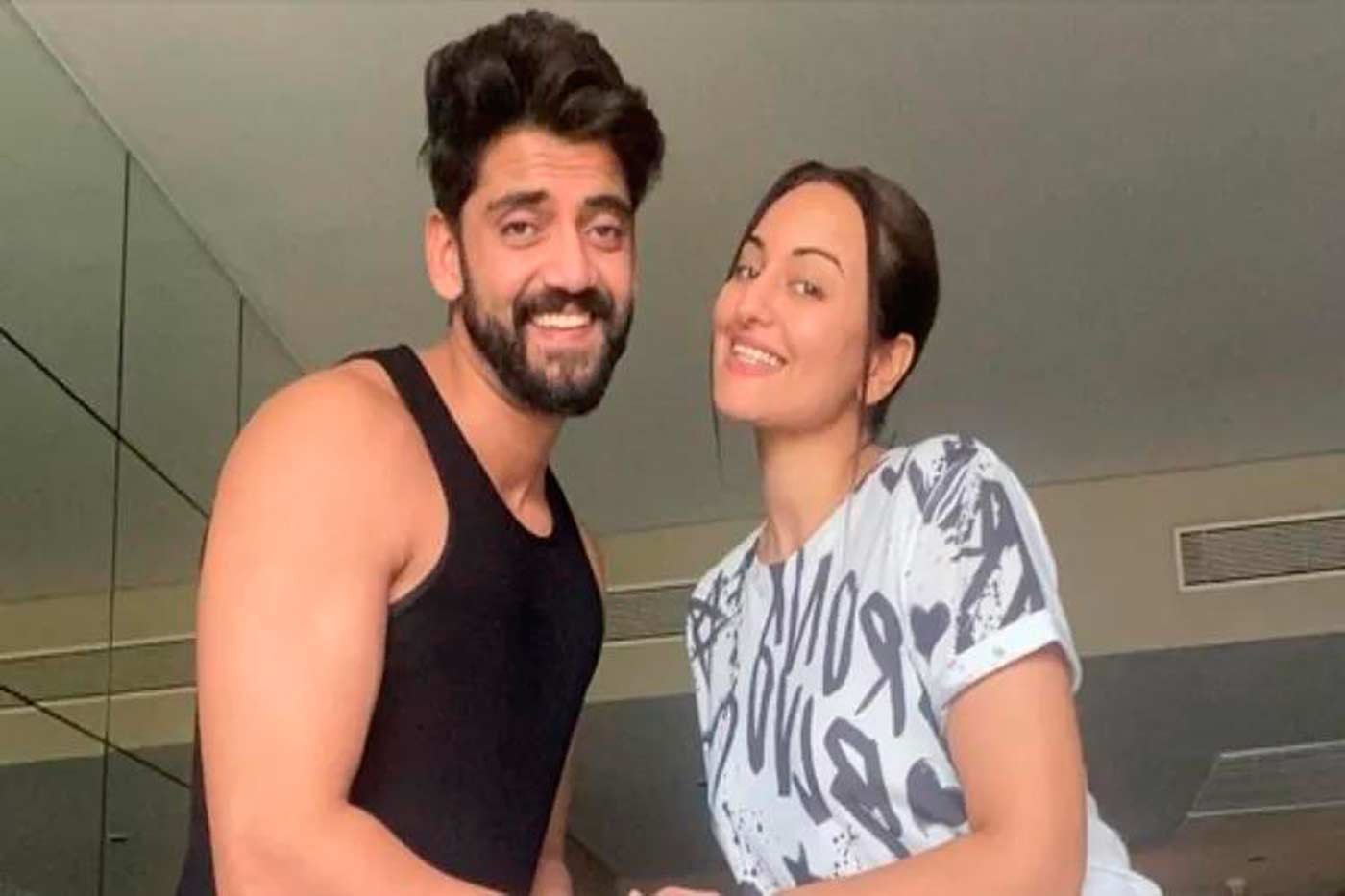
There are pranks. There is banter. There are inside jokes. There is harmless irritation. There are reels where they are laughing at each other, with each other, and occasionally because of each other. In a world obsessed with picture-perfect romance, their relationship feels refreshingly real. Perhaps that is why audiences are so drawn to them.
Their love story itself challenged conventions. Sonakshi Sinha and Zaheer Iqbal spent years together before eventually tying the knot in an interfaith marriage that attracted both support and criticism. Despite public scrutiny and endless online debates, the couple remained remarkably unbothered, choosing authenticity over approval. What resonates most with younger audiences is not simply that they got married. It is how they are married.
For many members of Gen Z and younger millennials, marriage is no longer viewed as a rigid institution built solely around sacrifice and adjustment. They are increasingly looking for partnerships rooted in friendship, emotional safety, mutual respect, and shared experiences.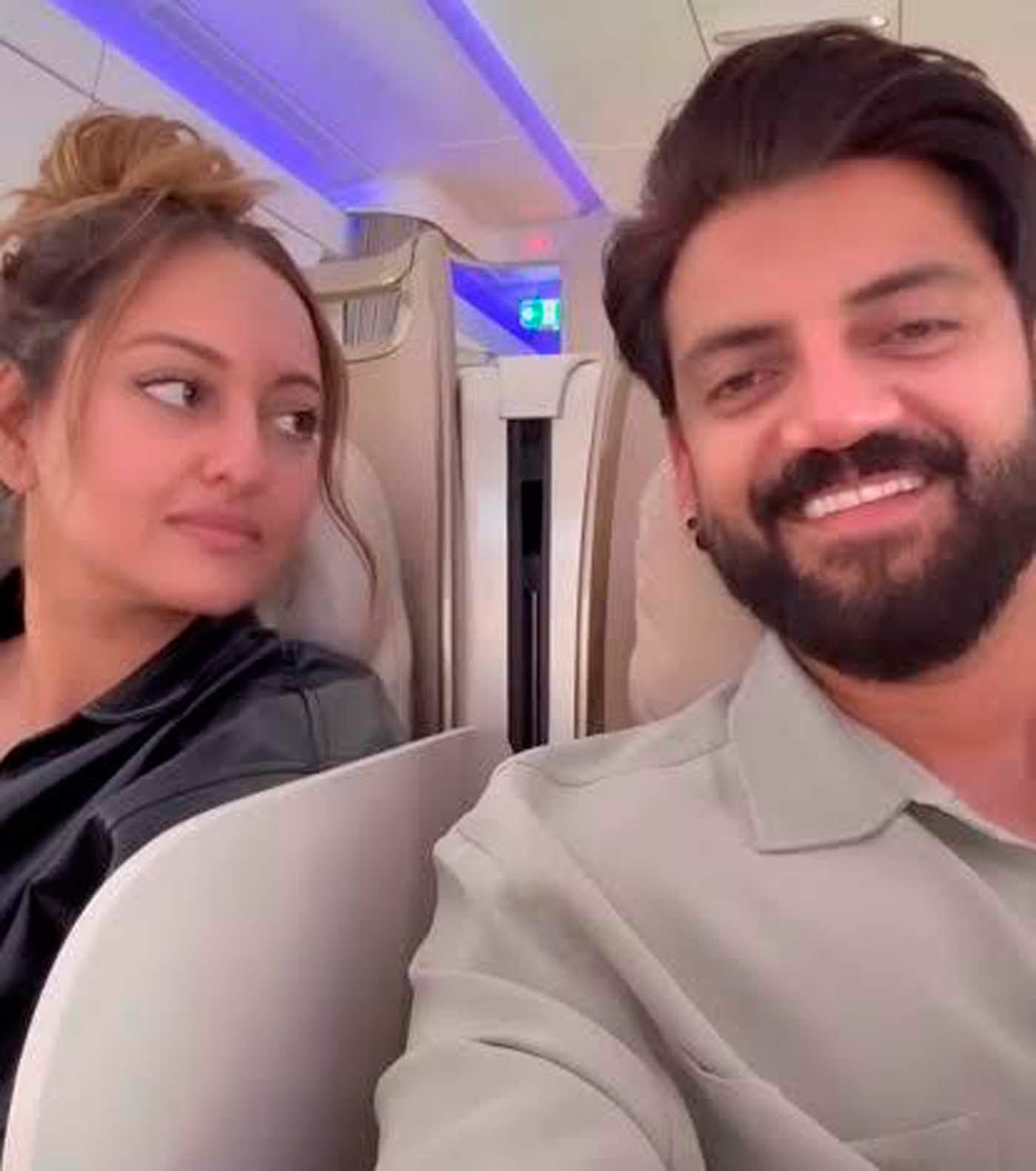
This shift did not emerge overnight.
Traditional marriages, particularly in South Asia, often operated within deeply patriarchal frameworks. Women were expected to adjust more, compromise more, nurture more, and sometimes even abandon parts of their identity for the sake of family harmony. Conversations surrounding dowry, unequal domestic labour, financial dependence, and gender roles became deeply embedded in the institution itself.
As women gained greater access to education, employment, and financial independence, they also gained something equally important: the ability to articulate what they wanted from relationships.
And increasingly, what many want is not dominance or dependence. They want companionship. They want partnership. They want joy. This does not mean modern relationships are free from challenges. If anything, they demand more communication, emotional intelligence, and mutual effort than ever before. But they are also built on a different foundation. Instead of asking, “How much can I endure?” people are increasingly asking, “How happy am I?”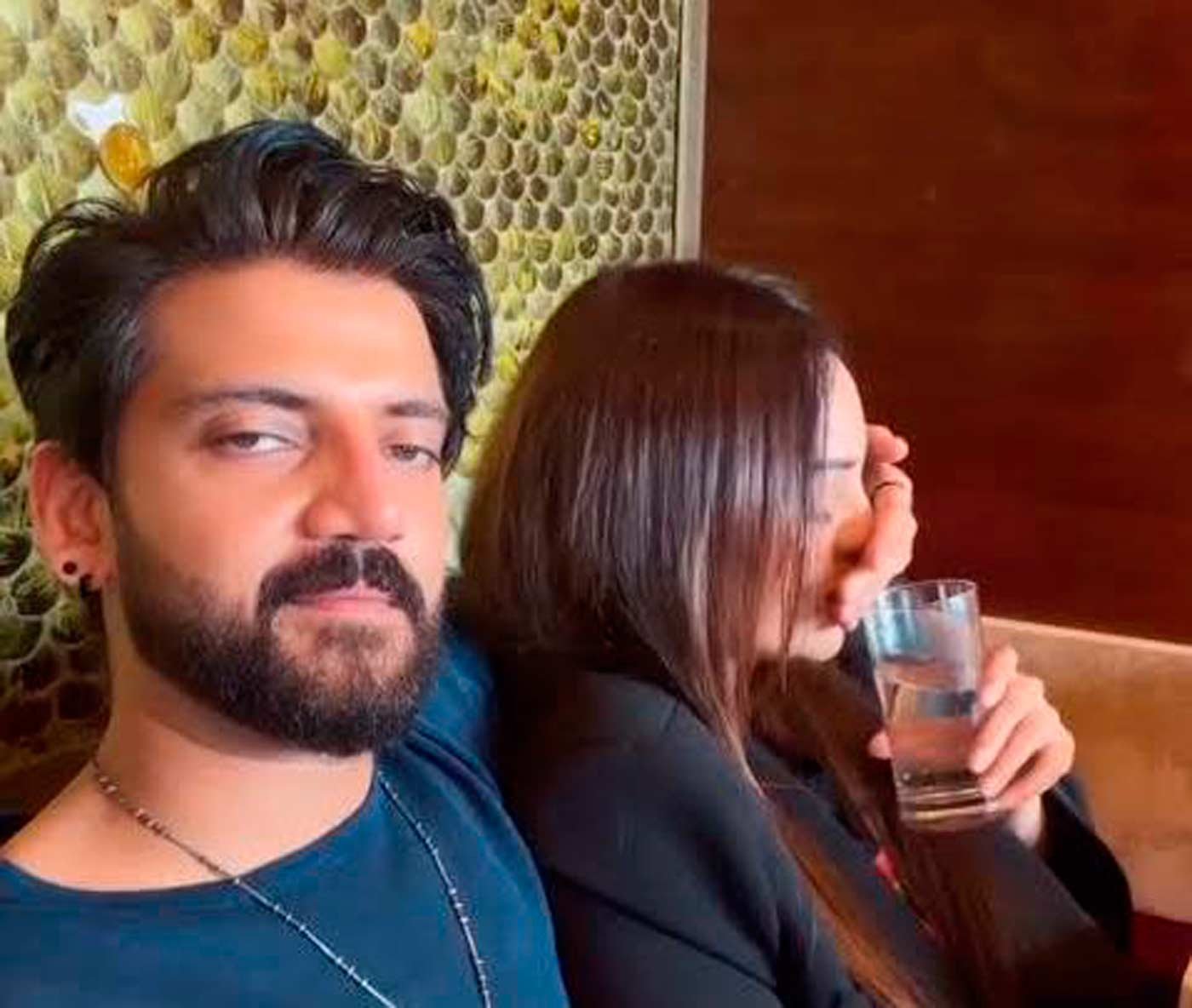
That question has transformed the way younger generations approach marriage. In many ways, Sonakshi and Zaheer have become accidental ambassadors for this changing mindset. Their relationship appears less like a formal arrangement and more like an ongoing friendship filled with laughter, spontaneity, and genuine affection. And perhaps that explains why so many people love watching them.
Because beneath the jokes, the reels, and the viral moments lies a simple truth about modern marriage: People are no longer looking for someone to merely build a life with. They are looking for someone they can have fun with while doing it.