
Every year on July 11, the world observes World Population Day, a reminder that behind every population statistic are real people, real families, and real challenges.
The global population has now crossed 8 billion, a milestone that reflects remarkable advances in healthcare and life expectancy. At the same time, it raises urgent questions about housing, food security, employment, healthcare, education, climate change, and the sustainable use of natural resources.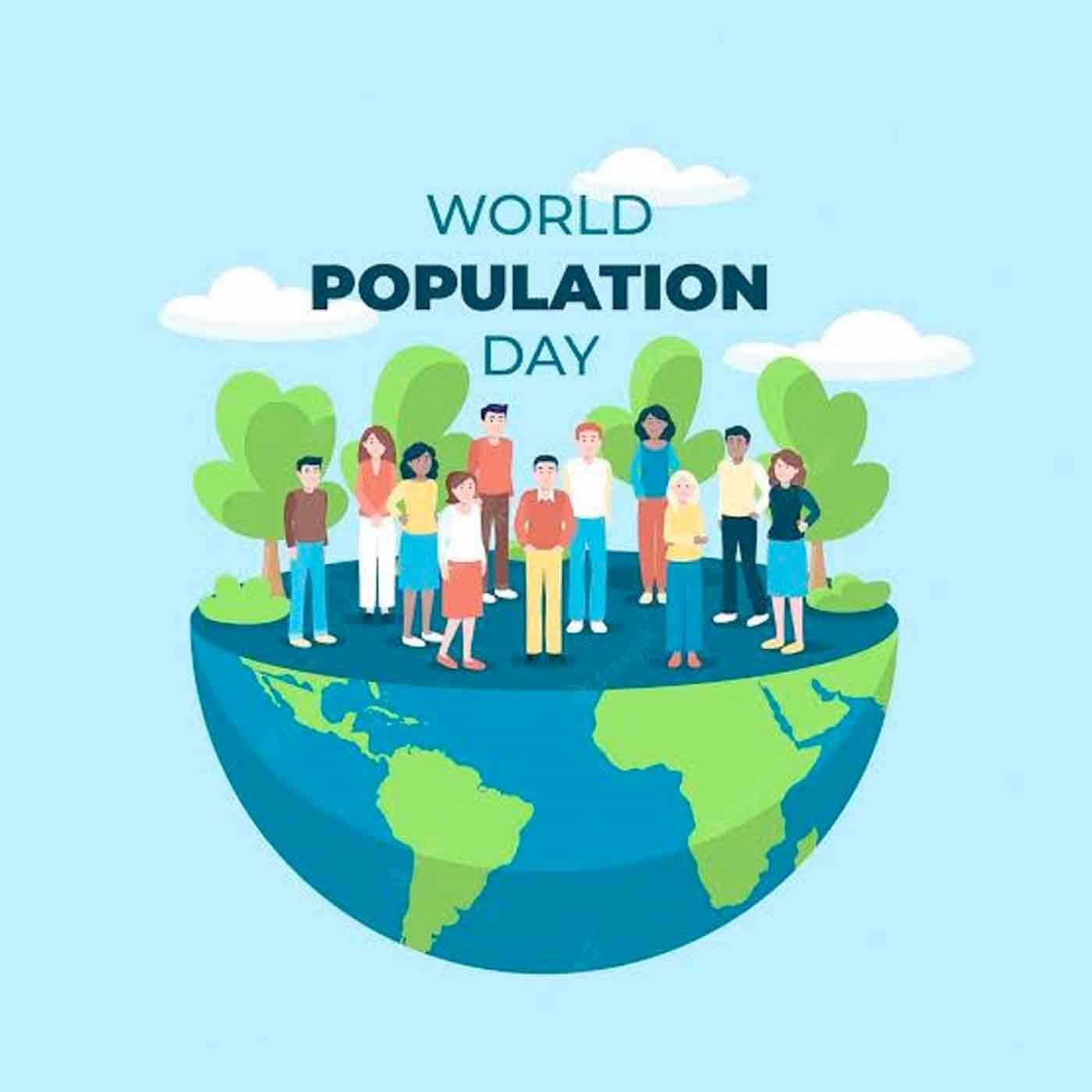
The issue is not that there are simply “too many people.” The issue is whether societies are ensuring that every child born has the opportunity to live a healthy, educated, and dignified life. That conversation inevitably leads to one topic many societies still hesitate to discuss openly.
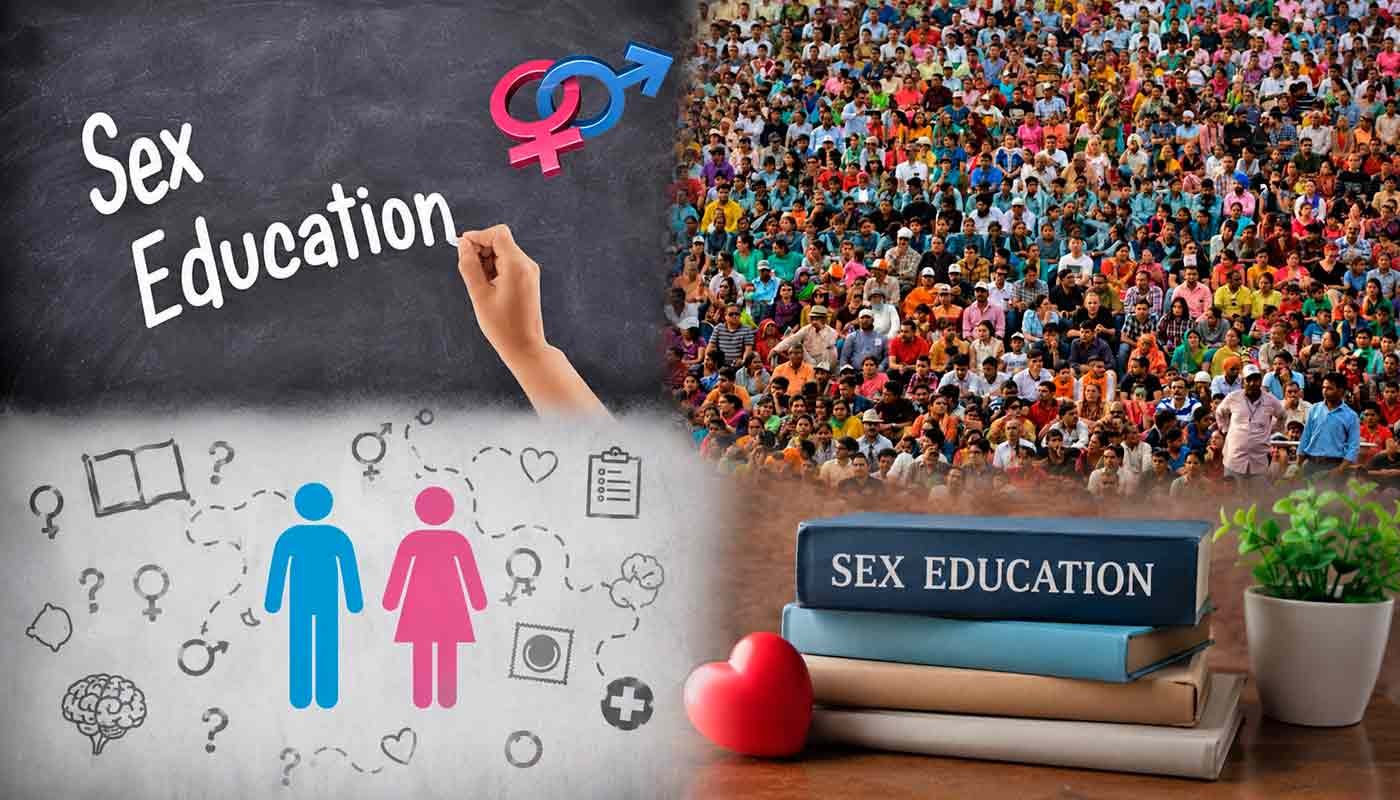
Sex education.
Despite being one of the most effective tools for preventing unintended pregnancies, reducing sexually transmitted infections, and promoting informed decision-making, comprehensive sex education continues to face resistance in many communities. Often dismissed as inappropriate or unnecessary, it is ironically one of the most important forms of education a young person can receive.
Population growth is not merely a numbers game.
It is closely linked to education, healthcare, women’s empowerment, and access to reproductive choices.
Research from around the world consistently shows that when people, especially women and girls, have access to education, healthcare, contraception, and accurate information about reproductive health, they are better able to decide if, when, and how many children they want to have.
Parenthood should be a conscious decision, not simply an expectation. Having children is one of the most significant responsibilities a person can undertake. Raising a child requires emotional commitment, financial stability, healthcare, education, and years of care and guidance. Yet in many parts of the world, societal pressure still encourages people to have children simply because “that’s what comes next,” without adequate discussions about preparedness or long-term responsibility.
This is not about telling people how many children they should have. Family size is a deeply personal decision. Rather, it is about ensuring that every individual has the knowledge and resources to make informed choices, free from pressure, misinformation, or lack of access to healthcare. The effects of rapid population growth are visible in many growing cities.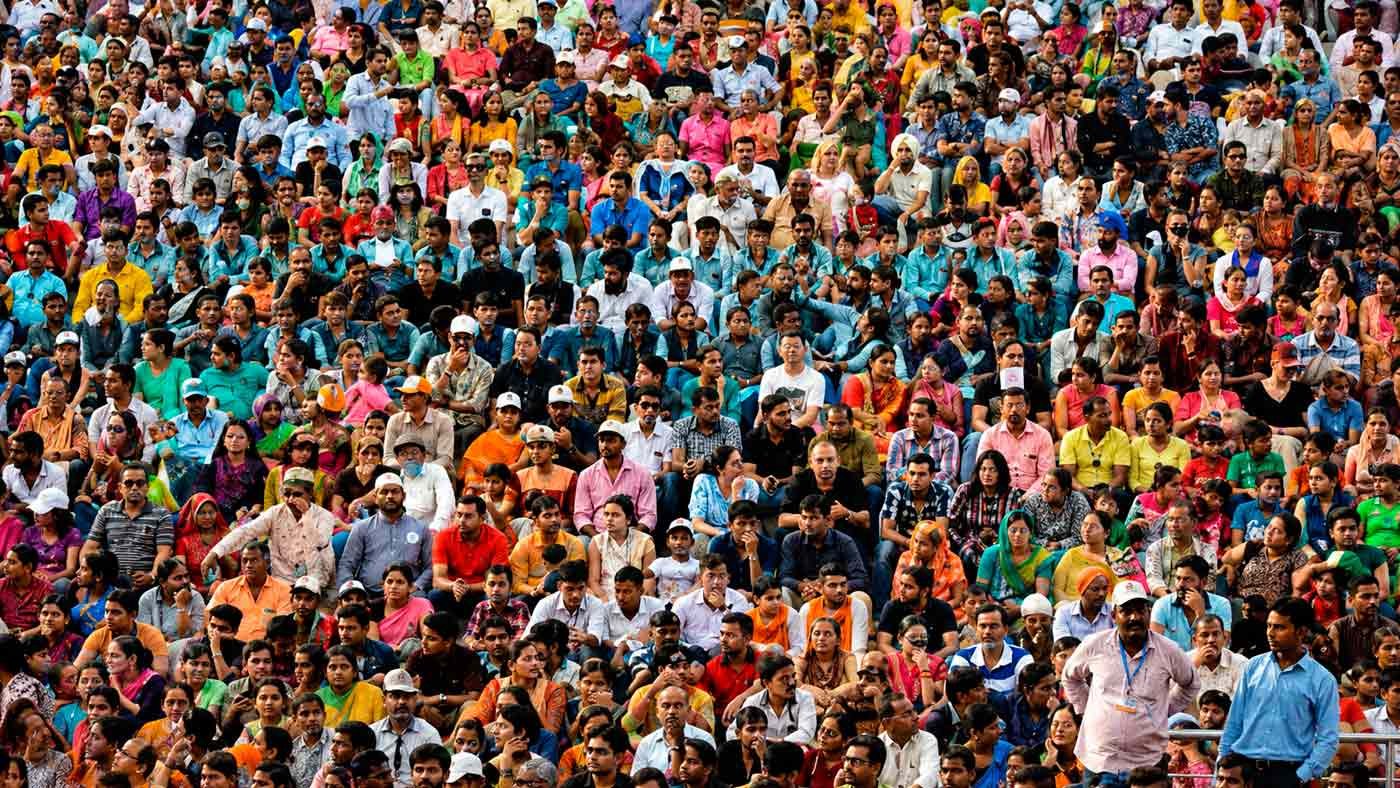
Overcrowded classrooms, strained hospitals, rising housing costs, traffic congestion, water shortages, shrinking green spaces, and increasing pressure on public infrastructure all become more difficult to manage when development struggles to keep pace with population growth.
At the same time, the solution is not simply slowing population growth. Countries also need better governance, stronger infrastructure, equitable resource distribution, improved education systems, and sustainable urban planning. Population challenges cannot be separated from policy decisions.
World Population Day ultimately asks us to think beyond numbers. It asks whether every child is wanted. Whether every parent is prepared. Whether every family has access to healthcare. Whether every young person receives accurate information about relationships, consent, contraception, and reproductive health.
Perhaps the most important lesson of World Population Day is this: Talking openly about sex education is not promoting irresponsibility. It is promoting responsibility. Because the goal should never be simply to have more people. It should be to ensure that every person born has the opportunity to thrive.