
Raghu Rai (1942–2026): The Man Who Photographed India’s Soul Falls Silent
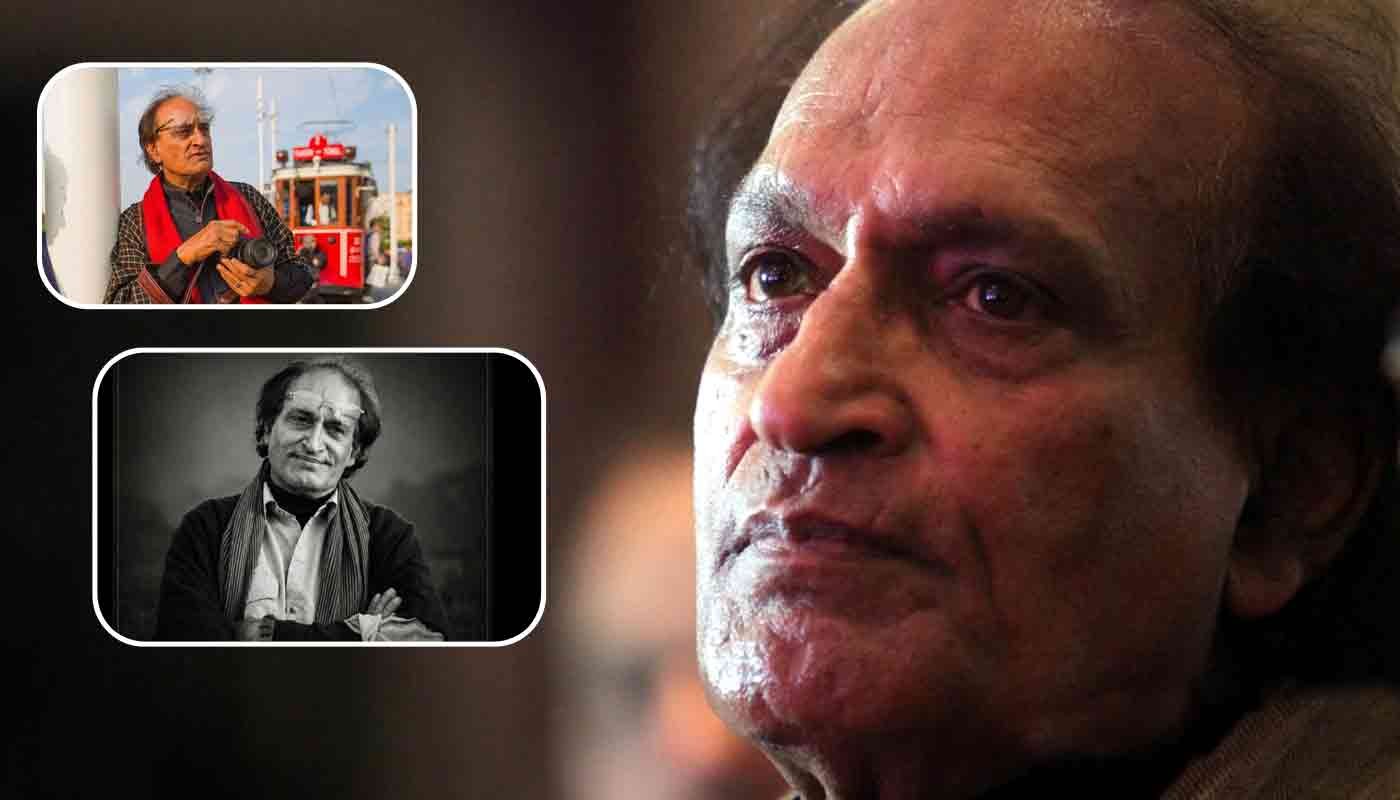
The lens that taught India how to see itself has gone still. Raghu Rai, one of the country’s most influential photographers and a defining voice in global photojournalism, passed away on April 26, 2026, at the age of 83.
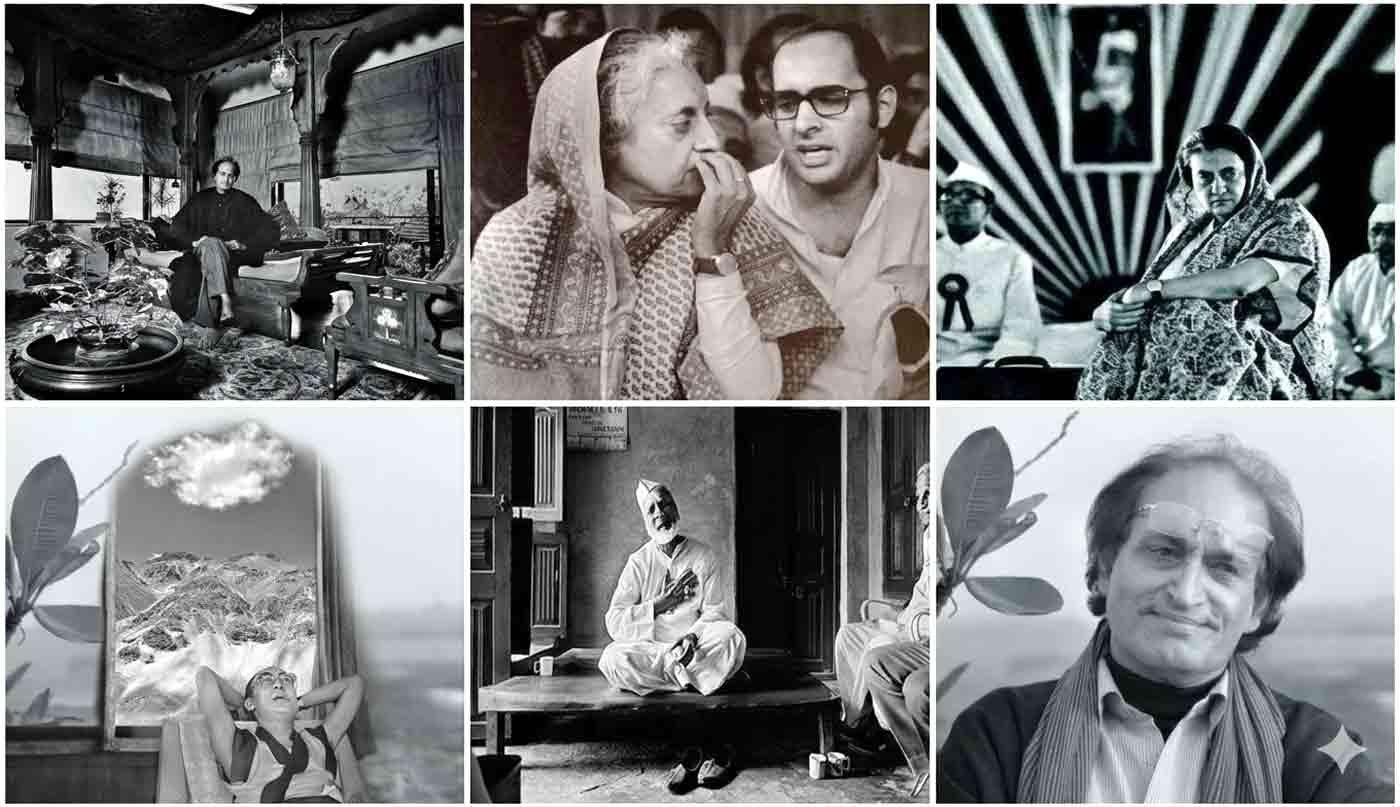
For over five decades, Rai didn’t merely take photographs—he interpreted India. From the intimacy of everyday life to the magnitude of historical trauma, his images shaped the visual memory of a nation.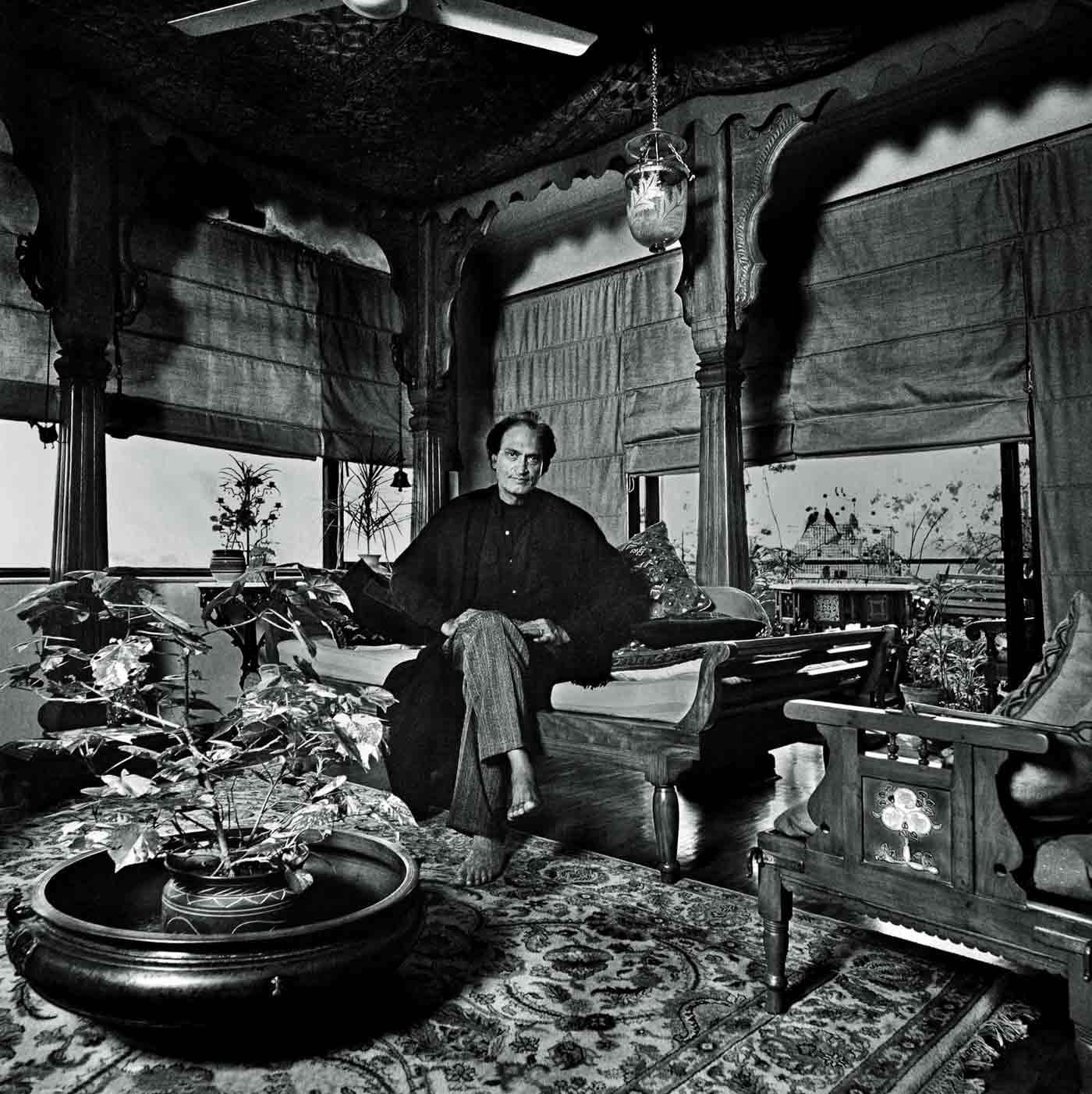
A Life Framed in History
Born in 1942 in what is now Pakistan, Rai began photographing in the mid-1960s and went on to become India’s first photographer to be associated with Magnum Photos, nominated by Henri Cartier-Bresson.
His career spanned newspapers, magazines, and independent projects, with a long stint shaping visual storytelling at India Today.
Rai’s work traversed some of the most defining moments in modern Indian history—from the Bhopal Gas Tragedy to the Bangladesh Liberation War—alongside deeply human portraits of everyday India.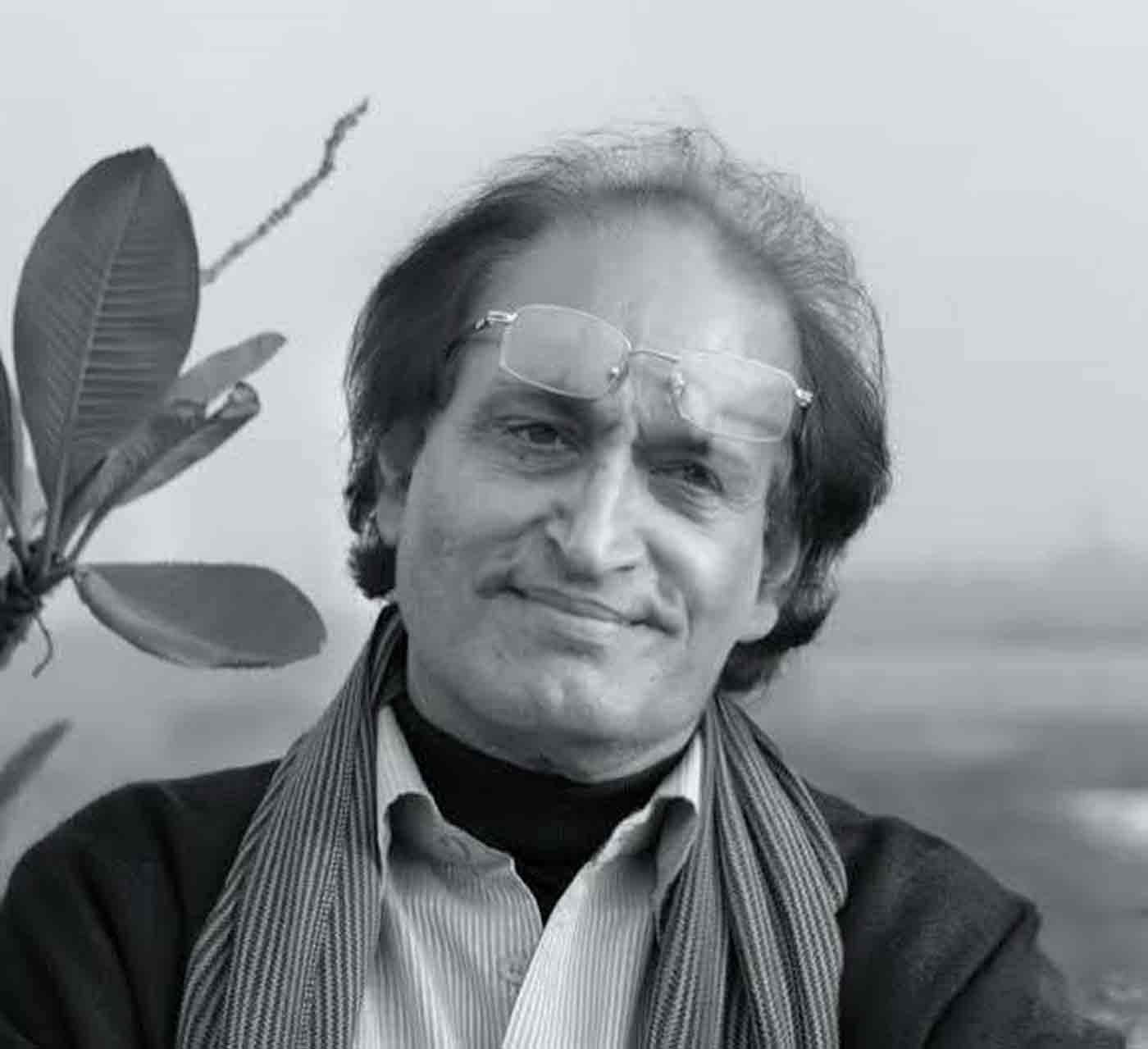
The Eye That Found the Extraordinary in the Ordinary
Rai often said they “magic lies in the ordinary.” His photographs reflected this philosophy—quiet, layered, and deeply empathetic. (Indian Express Interview)
He moved seamlessly between documenting monumental figures and anonymous lives:
* Indira Gandhi in moments of solitude
* Mother Teresa in prayer and service
* Dalai Lama in serene contemplation
But equally, he photographed streets, rituals, labour, grief, and resilience—building what many describe as a visual archive of India’s soul.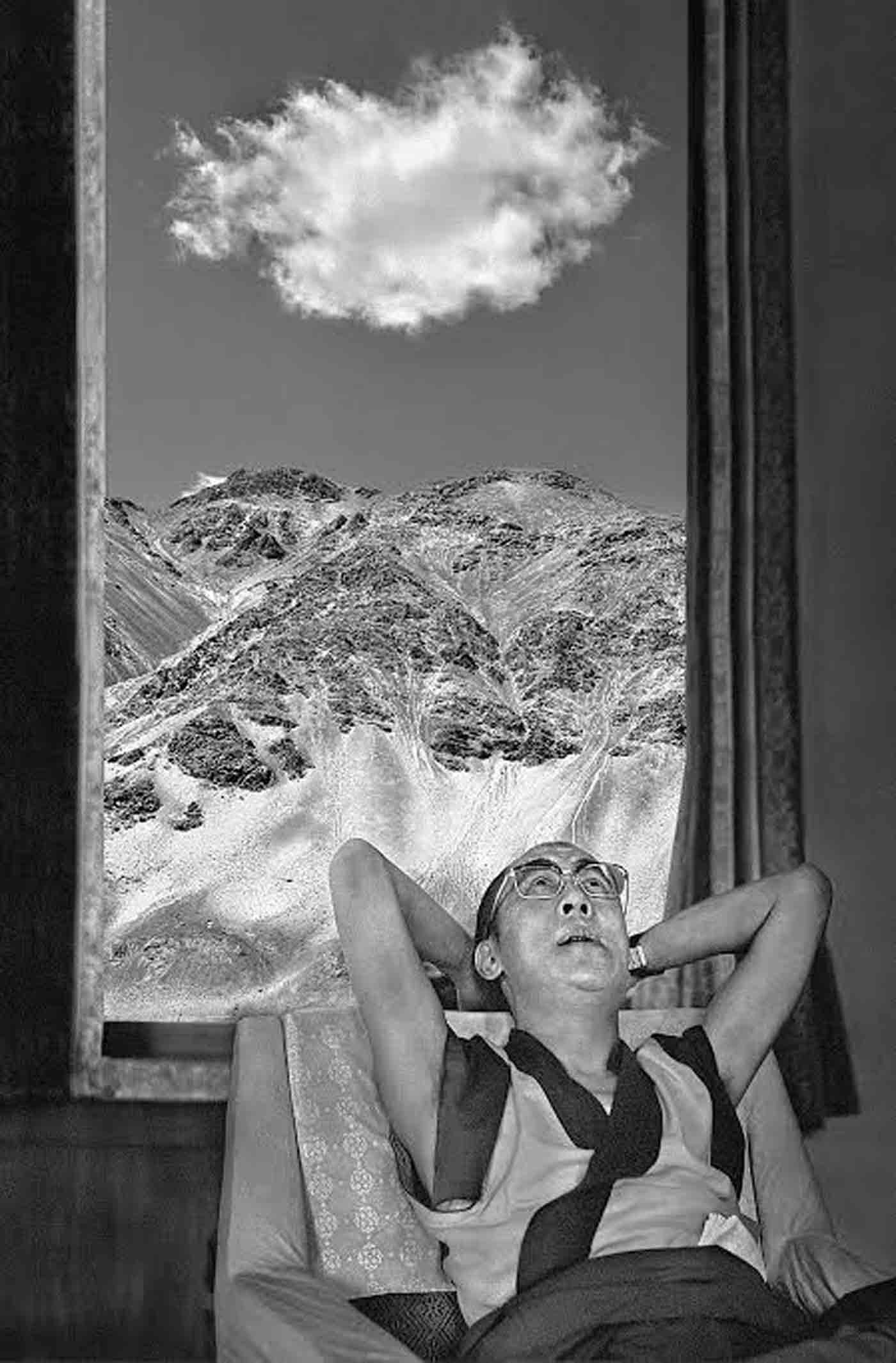
Awards, Influence, and Legacy
Rai received the Padma Shri as early as 1972 and went on to earn global recognition, including international photography honours and lifetime achievement awards.
His books—Raghu Rai’s India, Delhi: A Portrait, The Sikhs—remain essential visual texts, studied by photographers and historians alike.
More than accolades, however, Rai’s legacy lies in influence: generations of Indian photographers learned to see through his eyes—observant, patient, and deeply humane.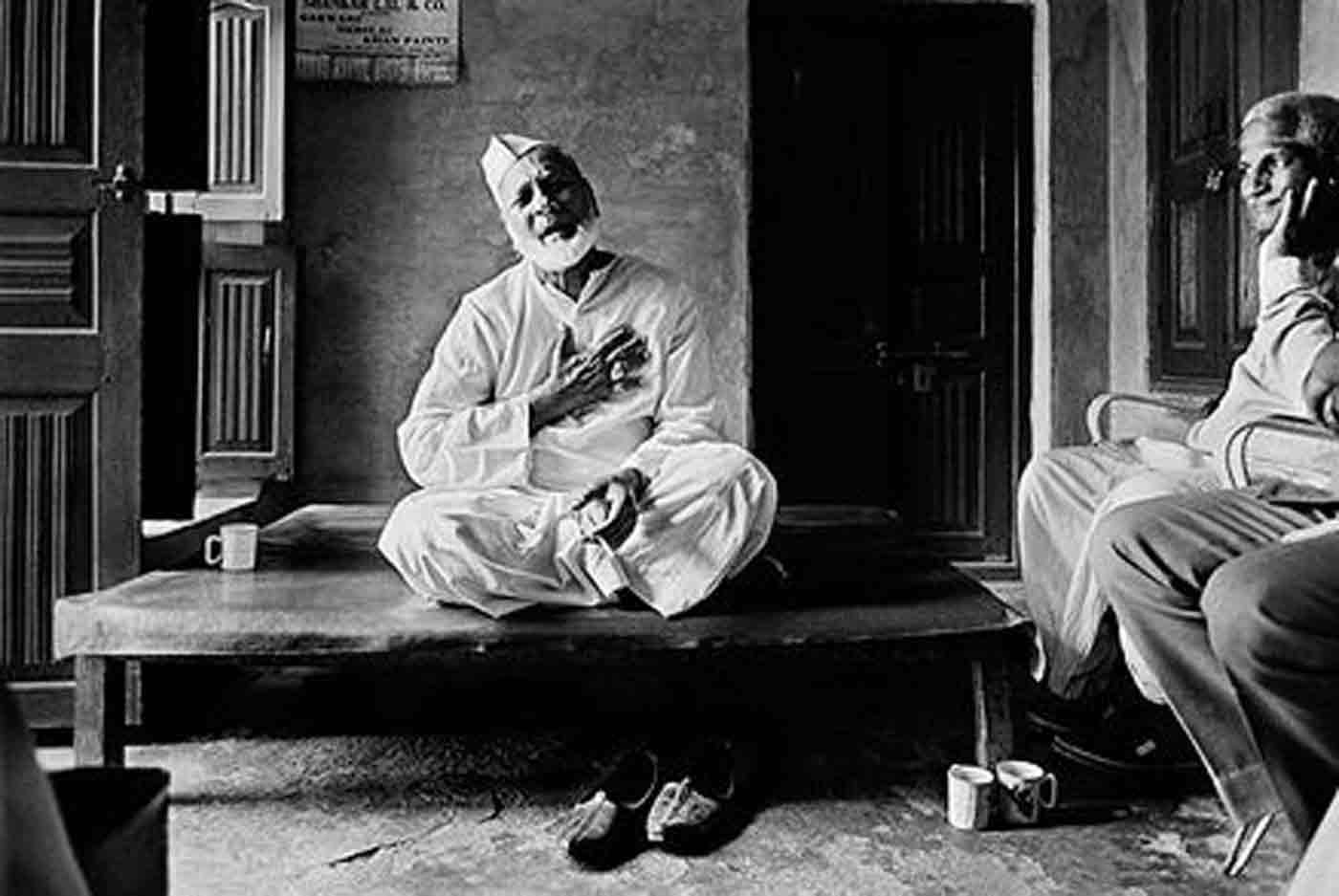
A Nation Reacts: Tributes Pour In
As news of his passing broke, tributes flooded social media, particularly on X (formerly Twitter), reflecting the scale of his impact.
Public figures, photographers, journalists, and institutions have echoed a common sentiment—Rai didn’t just document India; he defined how it would be remembered.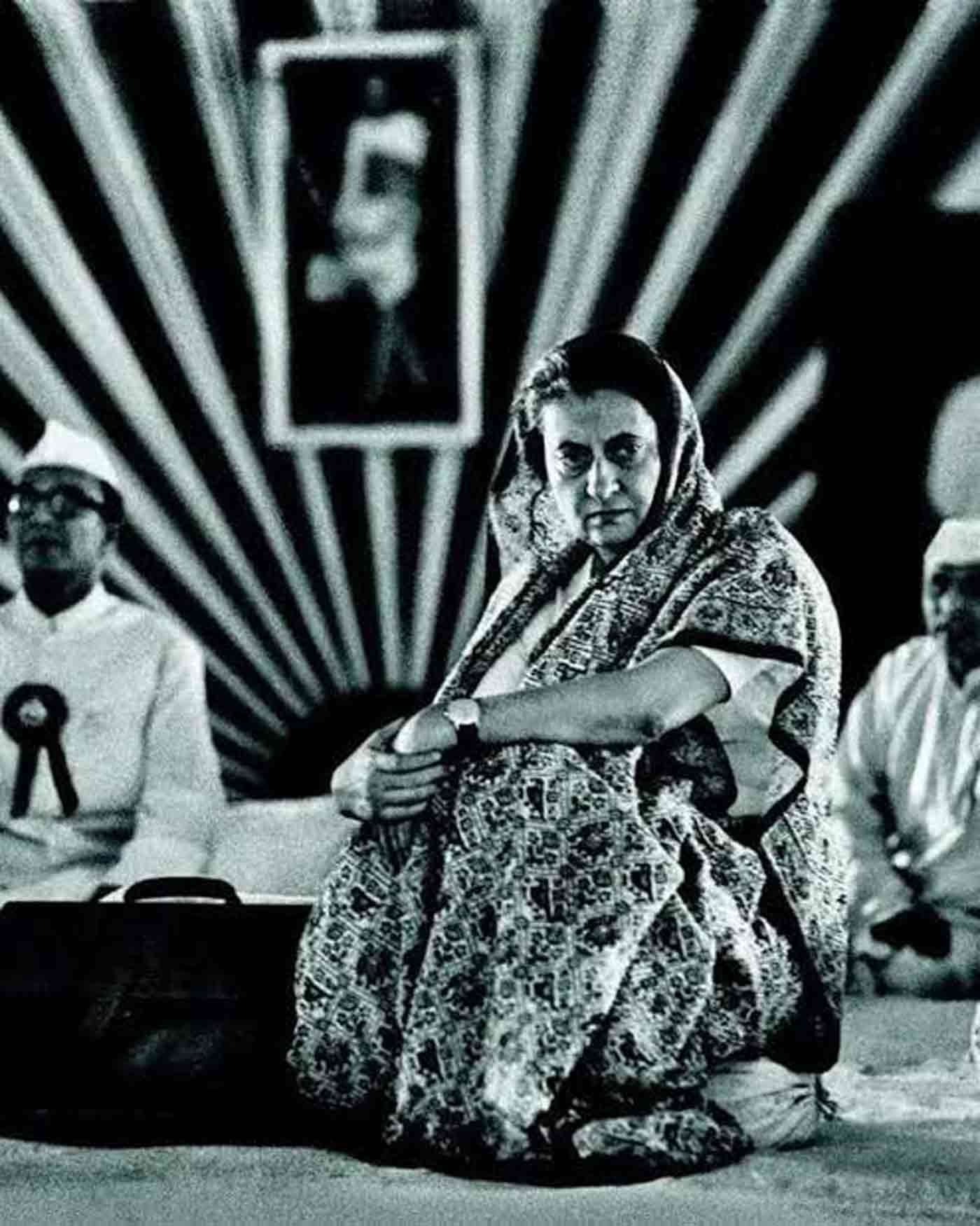
Beyond the Frame
Rai resisted spectacle. Even in moments of catastrophe, his images refused to sensationalise—they invited reflection.
His work on Bhopal, for instance, did not merely report tragedy; it humanised it, forcing the world to confront its consequences long after headlines faded.
He once described photography as “a darshan of my country”—a way of witnessing truth. That philosophy runs through every frame he ever captured.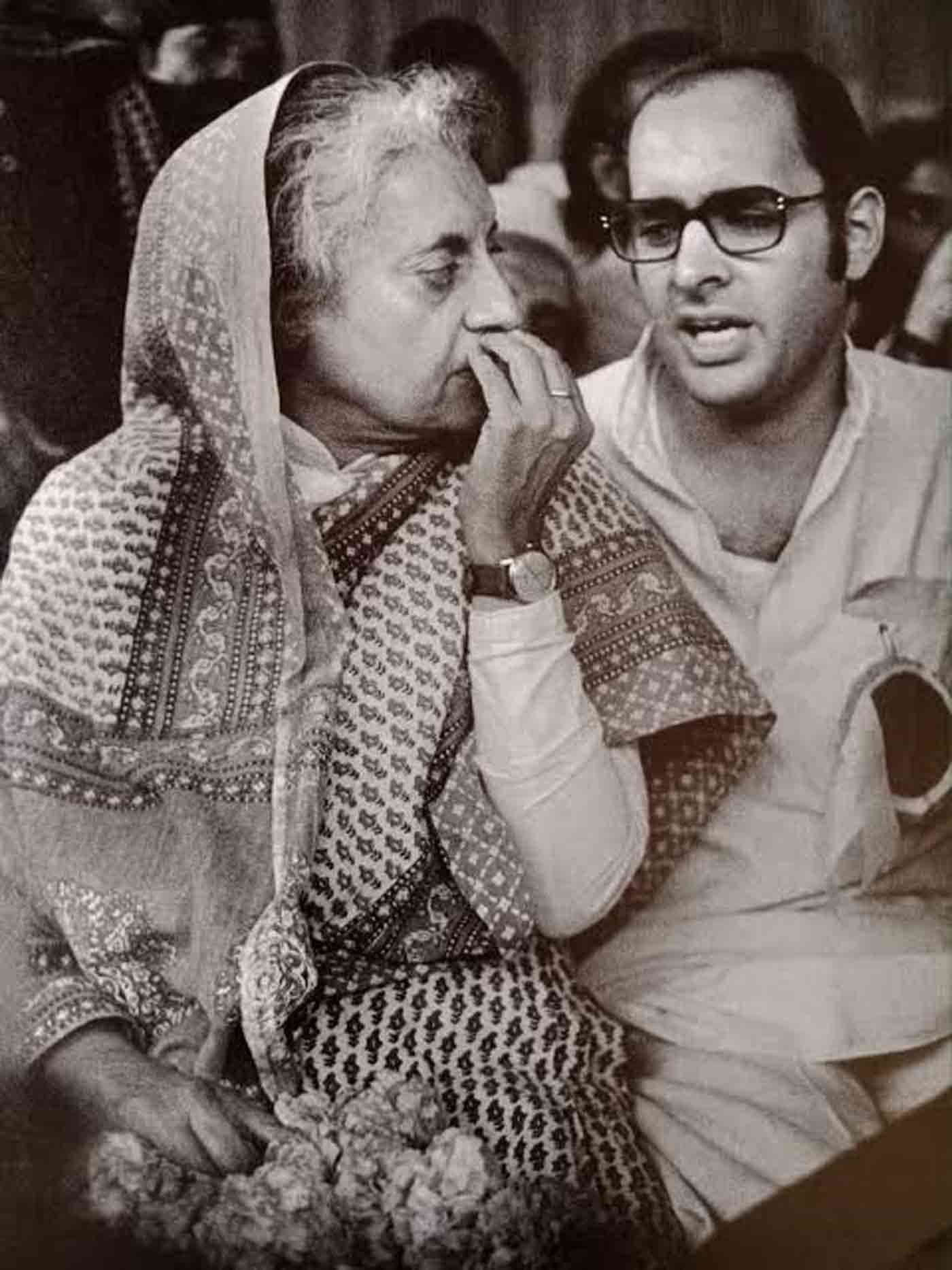
The Lasting Image
With his passing, Indian photography loses not just a master, but a conscience.
Raghu Rai’s images will continue to live—in galleries, books, archives, and memory—but more importantly, in the way India continues to see itself.
Because long after the photographer is gone, the gaze he shaped remains.