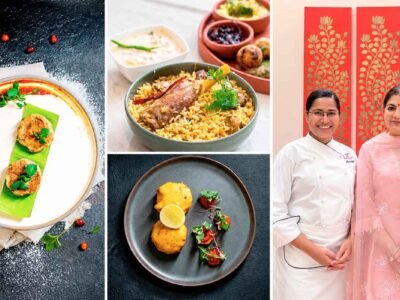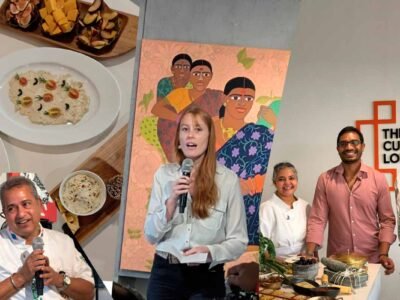

Discover the royal recipes of Rampur with Chef Sirajul. The popular chef who has served presidents, prime ministers, industrialists and global dignitaries recreated the delicate flavours of Rampur at Kanak, Trident Hyderabad
Indian royal cuisine is often synonymous with Lucknow’s rich gravies, aromatic biryanis and indulgent Awadhi dishes. But the royal kitchens of Rampur tell a very different story — one of restraint, delicacy and refined flavours. At Kanak, Trident Hyderabad, Chef Sirajul from Trident Nariman Point, Mumbai, introduced Hyderabad to this lesser-known culinary legacy through Rooh of Rampur.
Founded by the Rohilla Pathans in 1774, the princely state of Rampur developed a distinctive culinary identity shaped by royal patronage, literary culture and generations of master khansamas. Though influenced by Awadhi traditions, Rampuri cuisine evolved into something far subtler.
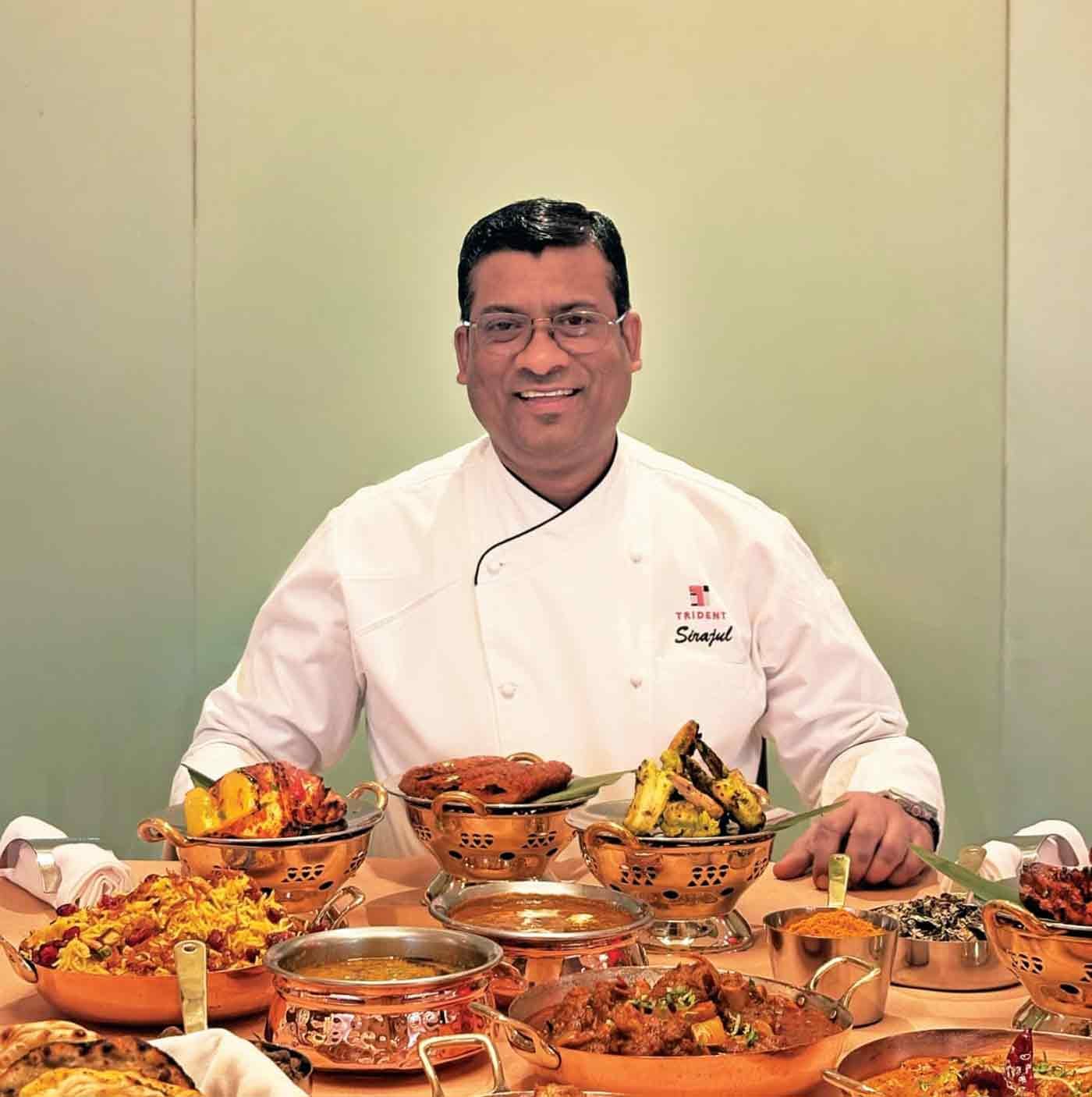
“The masalas are never overpowering. The flavours are delicate, layered and elegant,” says Chef Sirajul. Unlike Lucknow’s richer gravies, Rampur focuses on slow cooking, balanced spices and ingredients that are allowed to retain their natural character.
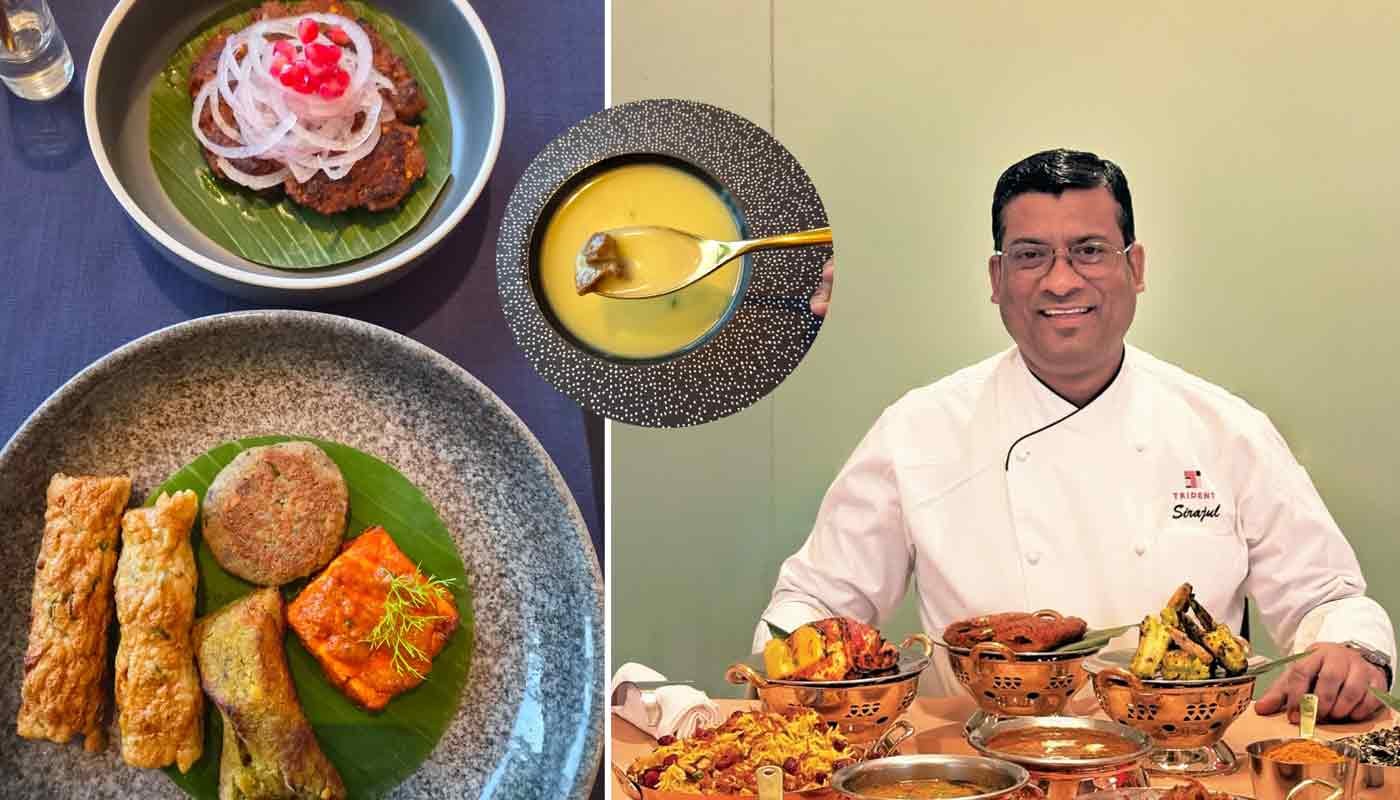
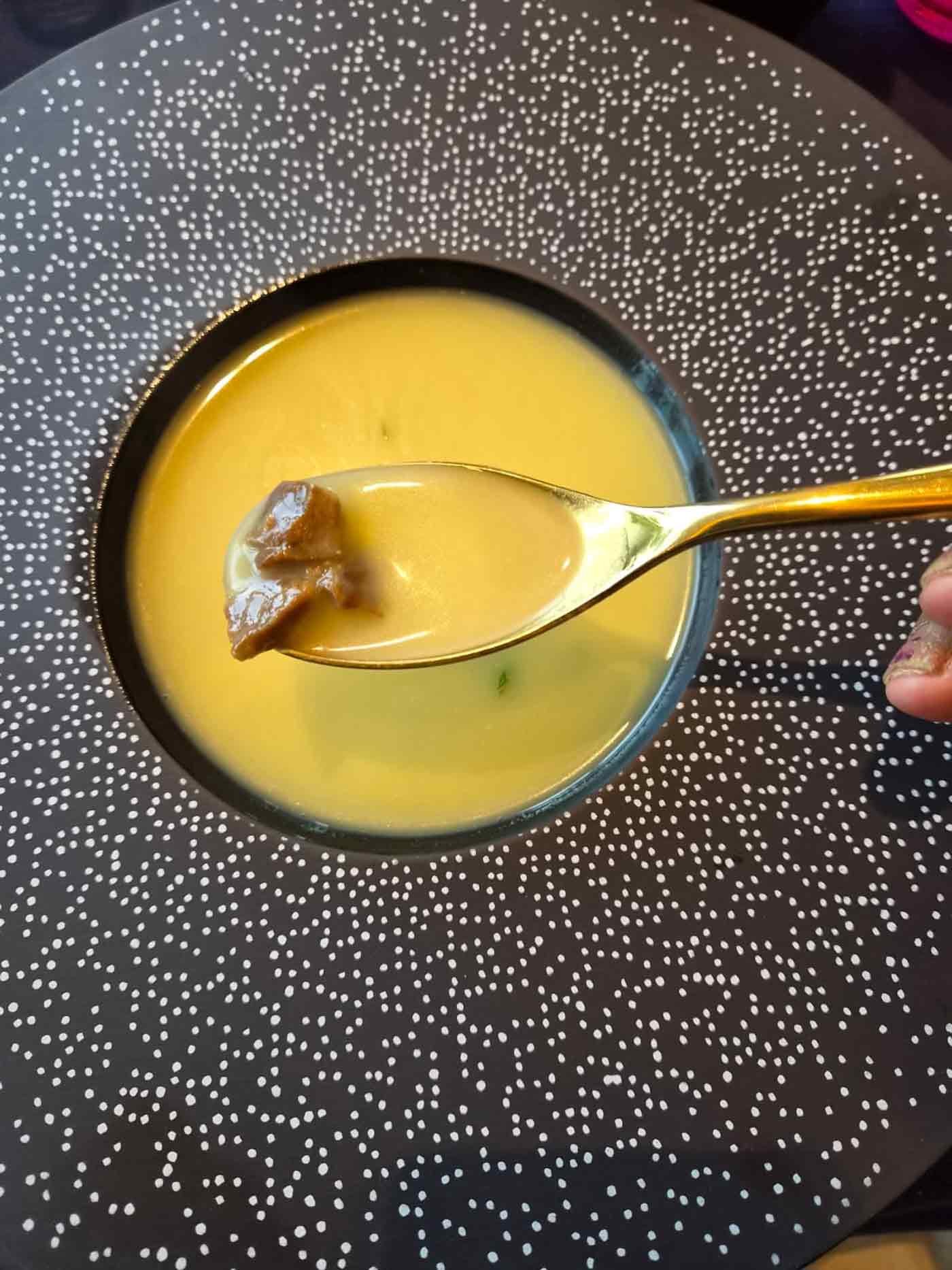
The Yakhni Pulao exemplifies this philosophy. The mutton is slowly cooked in a carefully prepared yakhni, allowing the meat to become exceptionally tender and flavourful. Even the cuts selected for preparing the stock are chosen with great care, ensuring depth without heaviness.
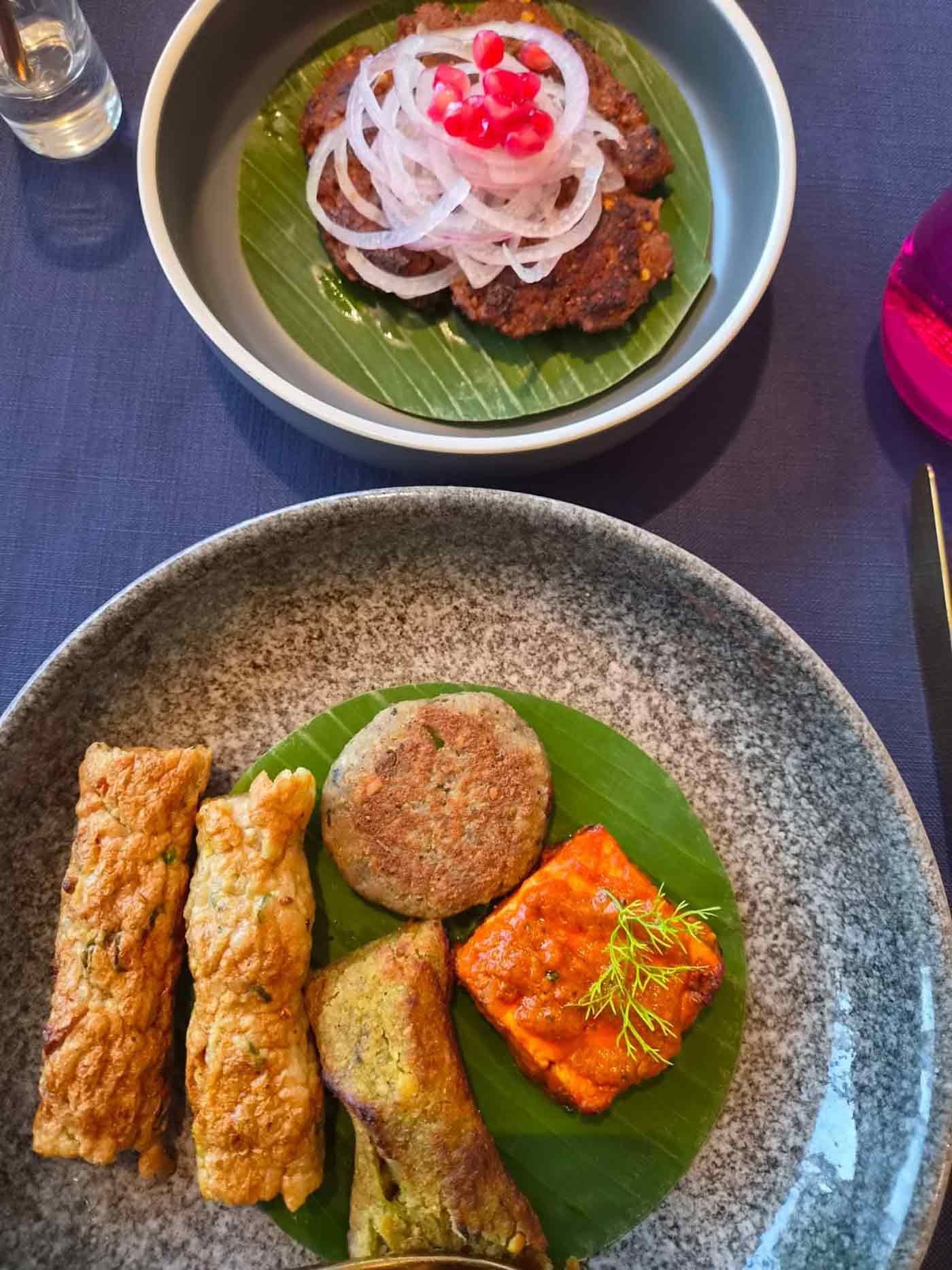
The menu at Kanak includes dishes such as Kamal Kakri Kebab, Rampuri Chapli Kebab, Baurani, Gobhi Gosht, Yakhni Pulao and Sheermal. Each dish reflects the sophistication of a cuisine that values finesse over richness.
For Chef Sirajul, these recipes represent decades of culinary learning across India. Currently based at Trident in Mumbai, he previously spent nearly 24 years in Kolkata, where he mastered Bengali cuisine and cooked extensively for Marwari families and grand wedding celebrations. His culinary repertoire extends far beyond one region. He is equally comfortable with Kashmiri cuisine, Hyderabadi dishes, Marwari and Jain food, Awadhi classics and Bengali specialties.
His expertise has taken him into some of the country’s most important kitchens. He has cooked for four Presidents, including George Bush, Pratibha Patil and Pranab Mukherjee, besides former Prime Minister Dr Manmohan Singh and current Prime Minister of India Narendra Modi.
During Narendra Modi‘s visit to Kolkata when he was Chief Minister of Gujarat, Chef Sirajul prepared an entirely vegetarian Bengali meal without garlic. The menu included snake gourd, Chhena Paturi, Chhenar Dalna, Posto, Luchi, Sandesh, Mishti Doi and Rosogolla. The meal reportedly impressed Modi so much that he asked for the recipes of several dishes.
Chef Sirajul also served as former President Pranab Mukherjee’s personal chef during his visit to Mauritius, carefully adapting menus to individual tastes and preferences.
One of his strengths lies in understanding the taste profile of every guest. When required, he substitutes ingredients while preserving authenticity. In several dishes, he has successfully used kathal or jackfruit to recreate the texture and experience of meat dishes for vegetarian diners.
His clientele over the years has included Amitabh Bachchan, the Ambani family and several international dignitaries. Yet despite his exposure to global guests, his passion remains rooted in India’s culinary traditions.
His expertise in Awadhi cuisine is equally remarkable, with Galouti Kebab, Tunday Kebab, Kakori Kebab and Kofte among his specialities. This understanding of royal cuisines allows him to appreciate the subtle distinctions between Lucknow and Rampur.
At Rooh of Rampur, a short food promotion at Trident Hyderabad, the objective was not merely to recreate old recipes but to revive an entire culinary philosophy — one that values patience, balance and refinement. The dishes reveal themselves slowly, allowing diners to experience flavours that are nuanced rather than dramatic.
For Hyderabad’s diners, the festival offered more than a meal. It was an opportunity to experience a forgotten royal cuisine through the hands of a chef whose culinary journey has taken him from the kitchens of Kolkata and Mumbai to the tables of presidents, prime ministers and some of India’s most celebrated personalities.