
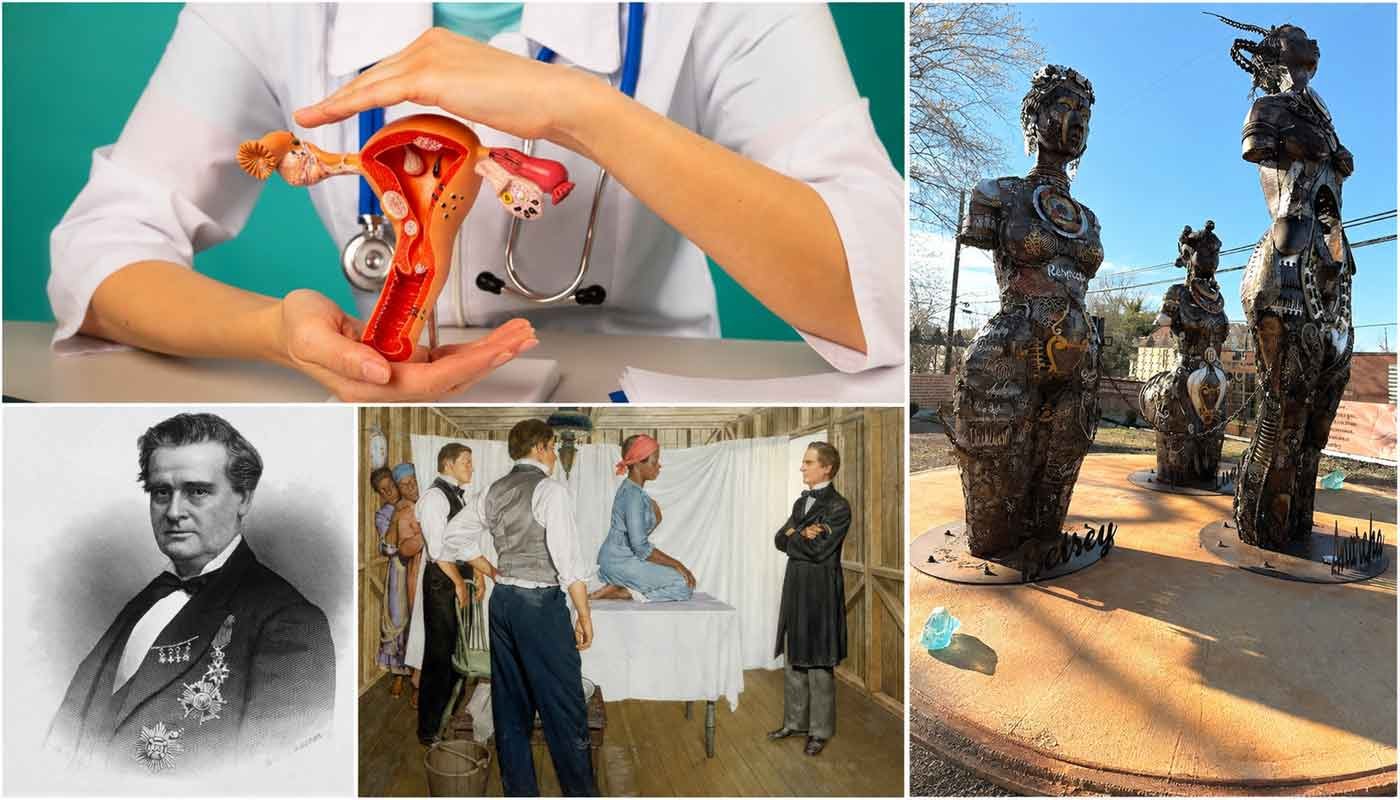
Modern gynecology has saved millions of lives, transformed maternal healthcare, and restored dignity to countless women across the world. Yet behind one of medicine’s greatest breakthroughs lies a story that remained buried for generations, a story of three enslaved women whose pain made medical progress possible.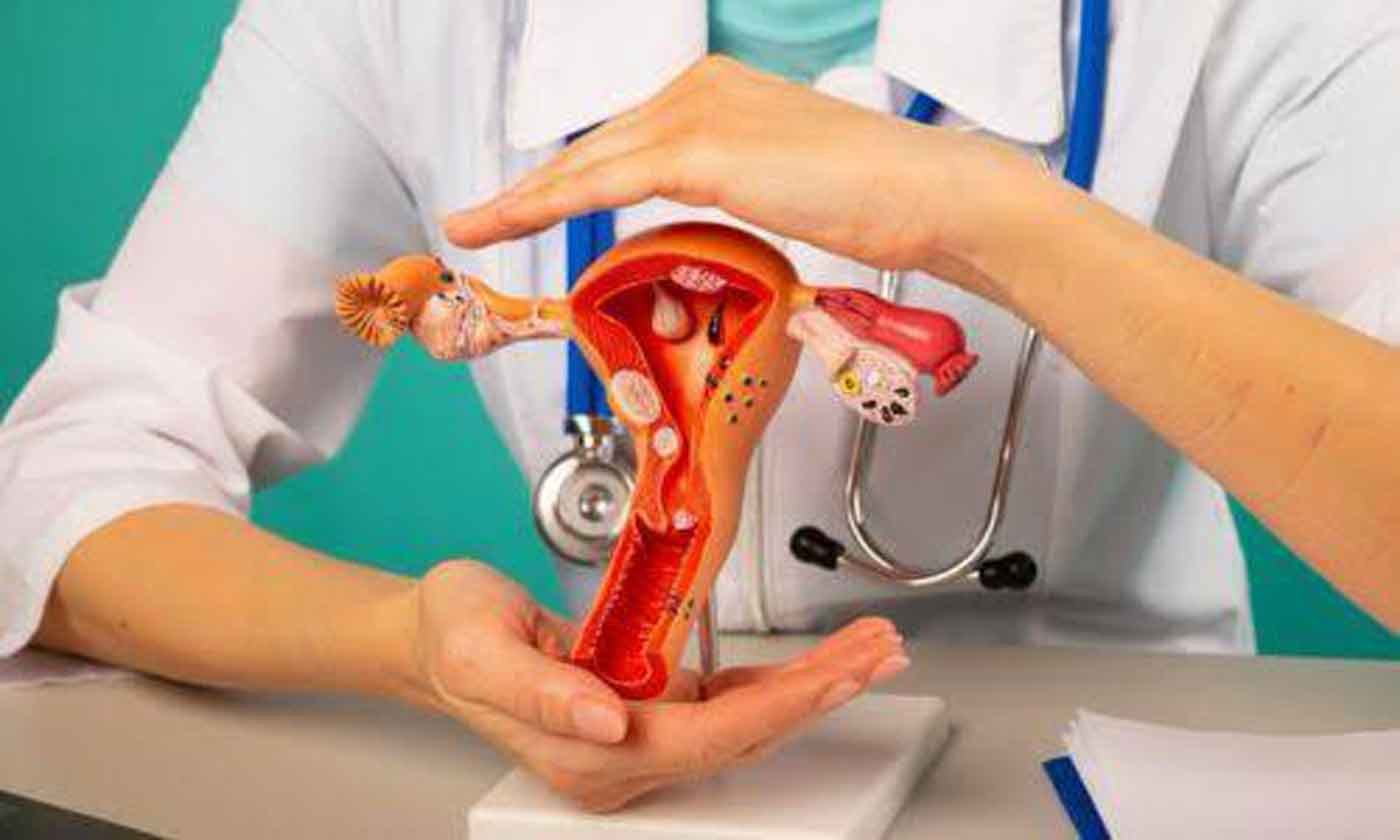
When people learn about the origins of modern gynecology, they often hear the name Dr. J. Marion Sims, widely referred to for decades as the “father of modern gynecology.” Far fewer learn the names of Anarcha, Lucy, and Bets, the women whose bodies became the foundation of his medical discoveries.
Their story forces us to confront an uncomfortable truth: scientific progress and human suffering can sometimes exist side by side.
Who Was Anarcha?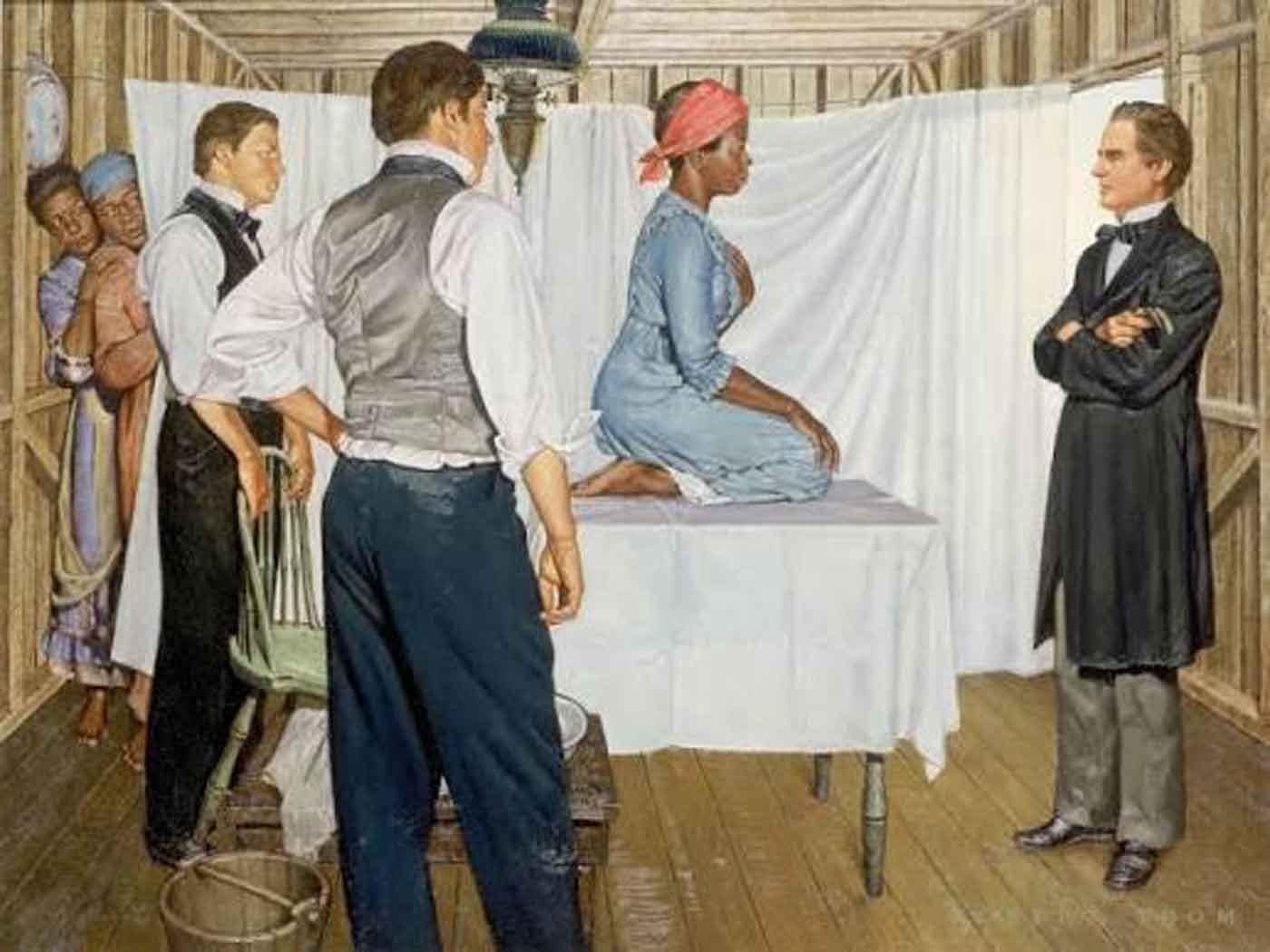
In the 1840s, Anarcha was an enslaved teenage girl living in Alabama. Like many women of her time, she endured an extremely traumatic childbirth that left her with a vesicovaginal fistula (VVF), a devastating childbirth injury that creates an abnormal opening between the bladder and vagina.
The condition caused continuous urinary leakage, chronic infections, severe pain, and profound social isolation. Women living with fistulas were often abandoned by their families and communities because of the constant incontinence and stigma associated with the condition.
At the time, there was no reliable surgical treatment. J. Marion Sims believed he could develop one.
Thirty Operations Without Anesthesia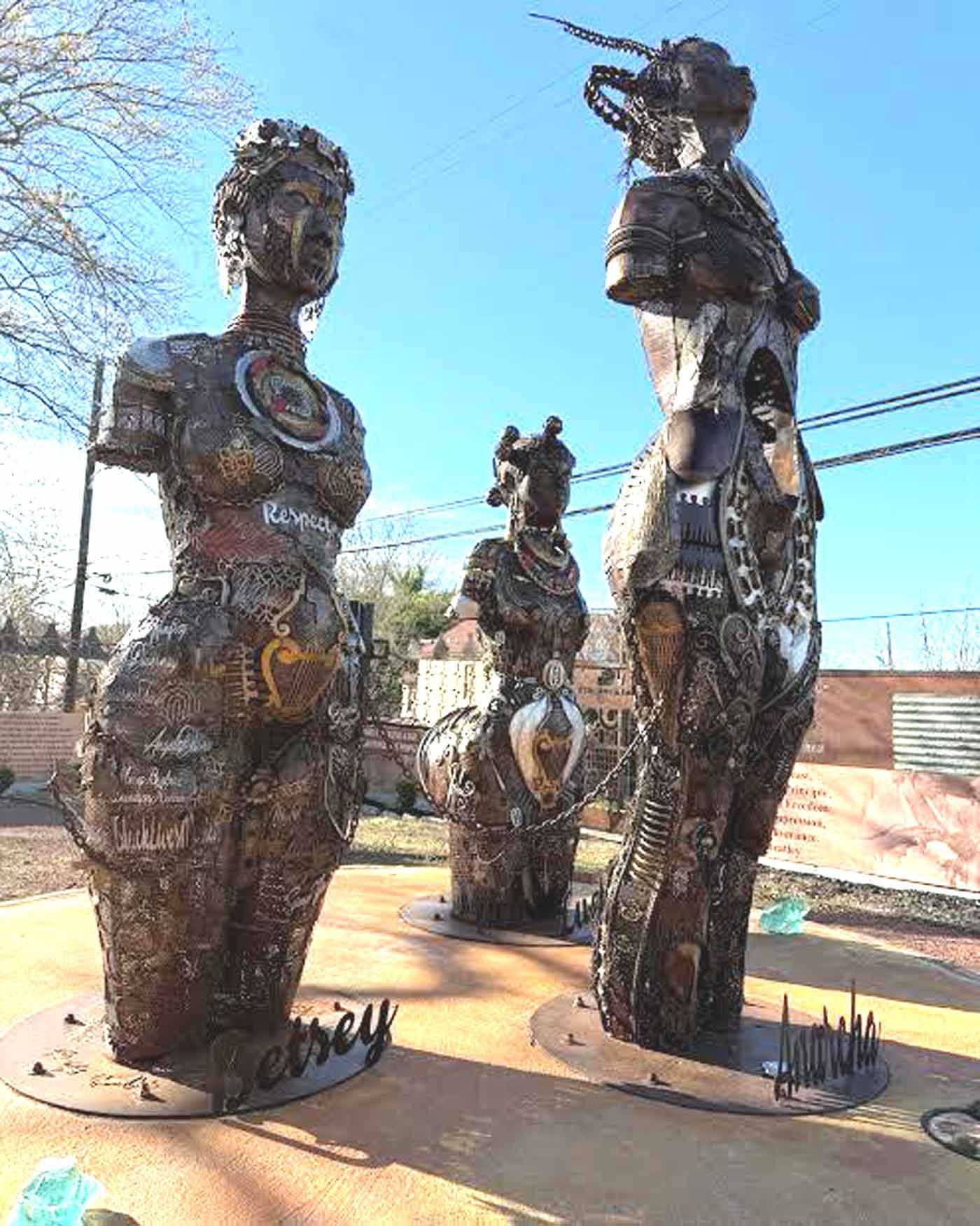
Over several years, Sims repeatedly operated on Anarcha, as well as two other enslaved women, Lucy and Betsy, while attempting to perfect a surgical technique that could successfully repair fistulas.
Historical accounts suggest that Anarcha underwent more than 30 experimental surgeries. None of these operations were performed under anesthesia.
Although ether anesthesia had already begun entering medical practice during that period, Sims did not administer it to the enslaved women on whom he was experimenting.
These procedures unfolded within a deeply racist medical culture that falsely claimed Black people experienced less pain than white people, a pseudoscientific belief that was widely used to justify unimaginable cruelty.
Ironically, Sims would later use anesthesia while performing similar procedures on white patients.
A Medical Breakthrough Built on Exploitation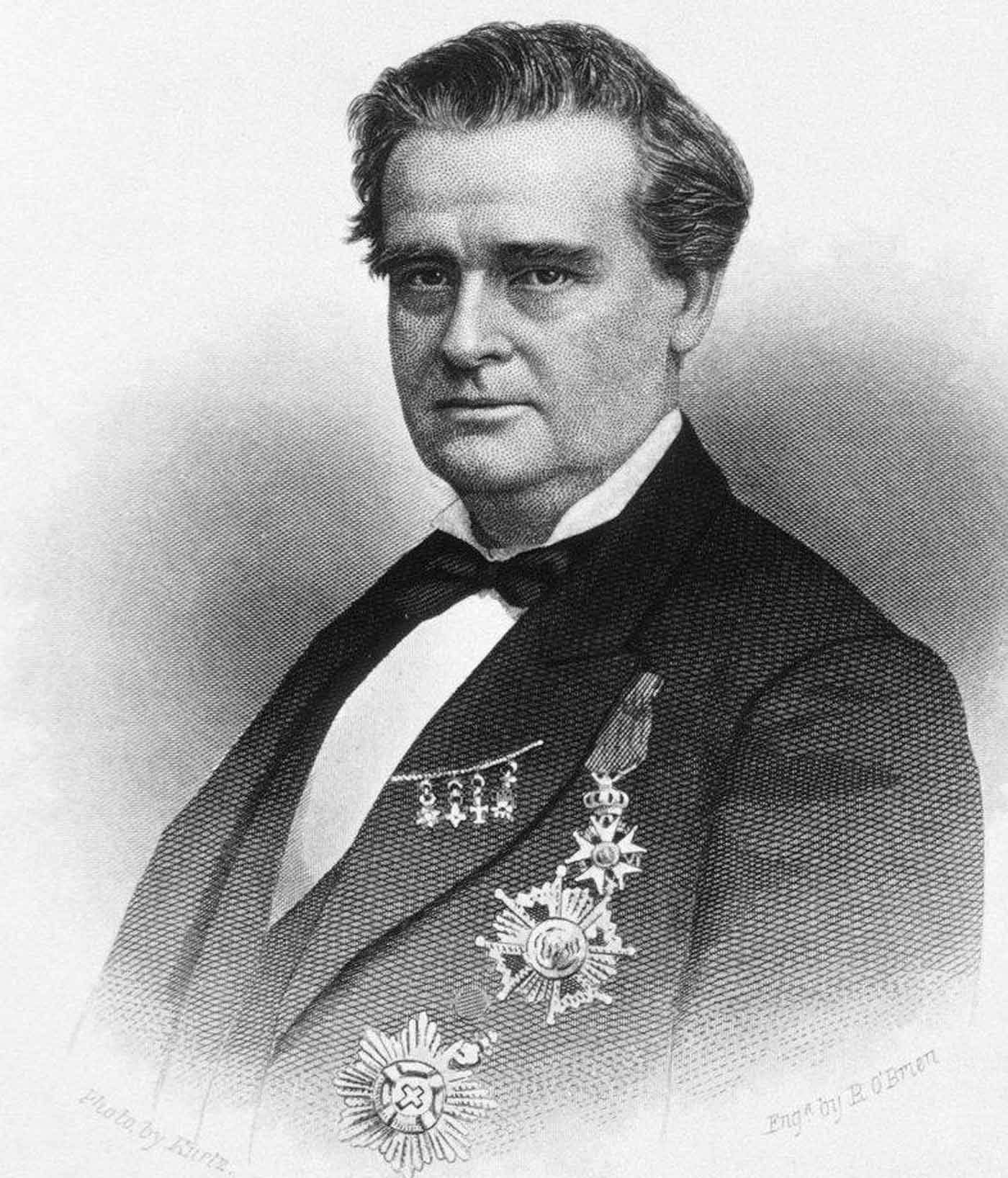
Eventually, Sims succeeded in developing a surgical technique that dramatically improved the treatment of vesicovaginal fistulas. The procedure revolutionized gynecological surgery.
For nearly two centuries, countless women across the world have benefited from techniques that evolved from those early operations. There is no denying the significance of medical advancement.
But acknowledging the breakthrough should never require erasing the women who paid the price for it. Both truths can exist together. The science changed medicine. The method inflicted extraordinary suffering.
Why Were Their Names Forgotten?
For generations, history celebrated Sims while remaining almost entirely silent about Anarcha, Lucy, and Betsy. Medical schools praised his achievements. Statues were erected in his honour. Textbooks referred to him as a pioneer.
Meanwhile, the women whose bodies enabled those discoveries were reduced to footnotes, or omitted altogether. Only in recent decades have historians, physicians, and scholars begun restoring their names to medical history.
This effort is not about erasing scientific progress. It is about telling the whole story.
A Conversation About Medical Ethics
The story of Anarcha, Lucy, and Betsy has become central to discussions surrounding medical ethics, informed consent, racial inequality, and the treatment of marginalized communities in healthcare.
Their experiences remind us that medicine is not only about discoveries and innovations. It is also about dignity. Consent. Compassion. And accountability.
The greatest medical breakthroughs should never come at the cost of another person’s humanity.
Remembering the Women Behind the History
Today, millions of women benefit from advances in gynecological care that would have been unimaginable in the nineteenth century.
Yet every discussion about the history of modern gynecology deserves to remember not only the surgeon whose name became famous, but also the women whose names history nearly erased.
Anarcha. Lucy. Betsy.
For decades, they were invisible. Today, they deserve to be remembered, not merely as patients, but as women whose suffering became part of medical history, and whose stories continue to shape conversations about ethics, justice, and humanity in healthcare.