
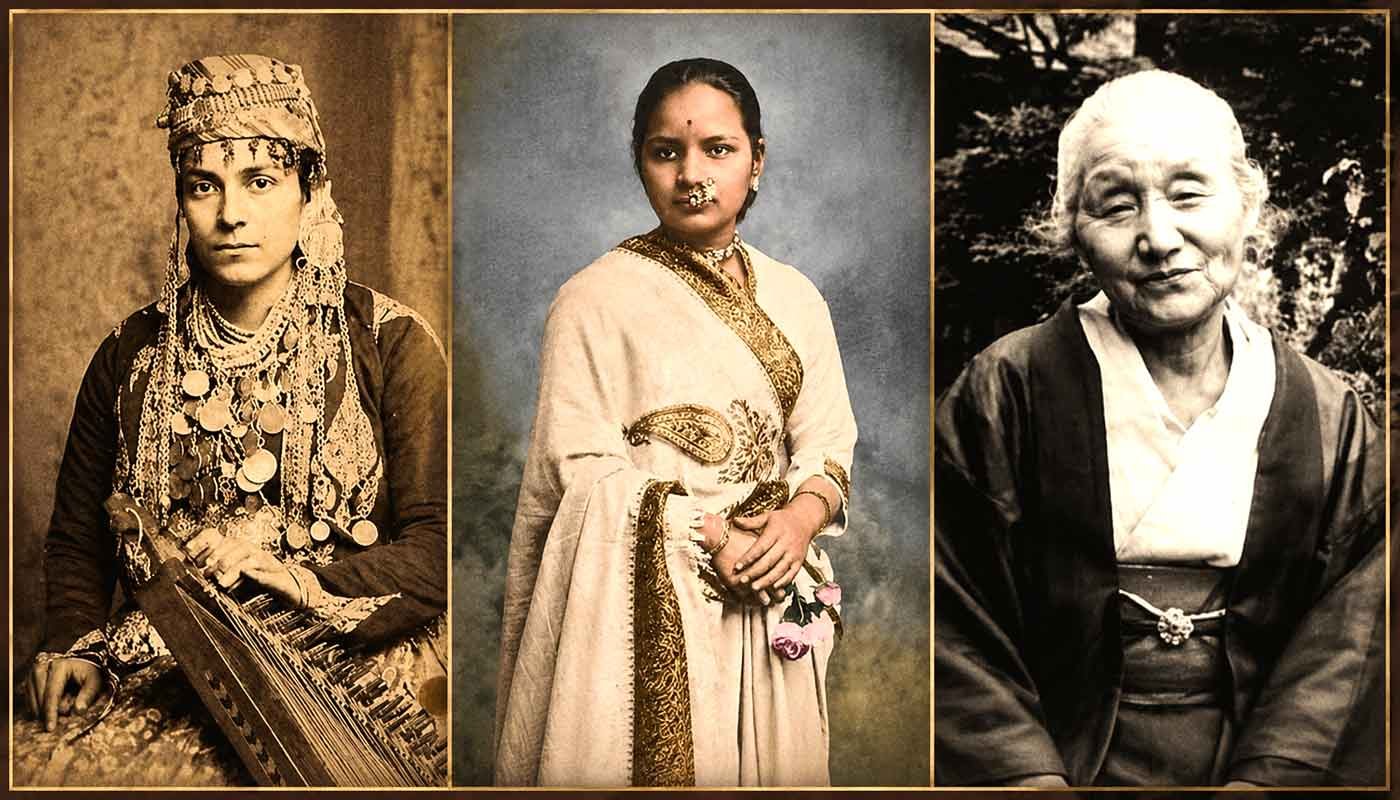
History was made long before women were encouraged to dream big. At a time when universities largely excluded women and medicine was considered an exclusively male profession, three remarkable pioneers crossed continents, challenged deep-rooted social norms, and earned medical degrees that forever changed the future of healthcare.
Their stories are not merely about becoming doctors. They are stories of courage, resilience, and the determination to prove that women belonged in classrooms, hospitals, and operating theatres just as much as men.
Dr. Anandibai Joshi (India)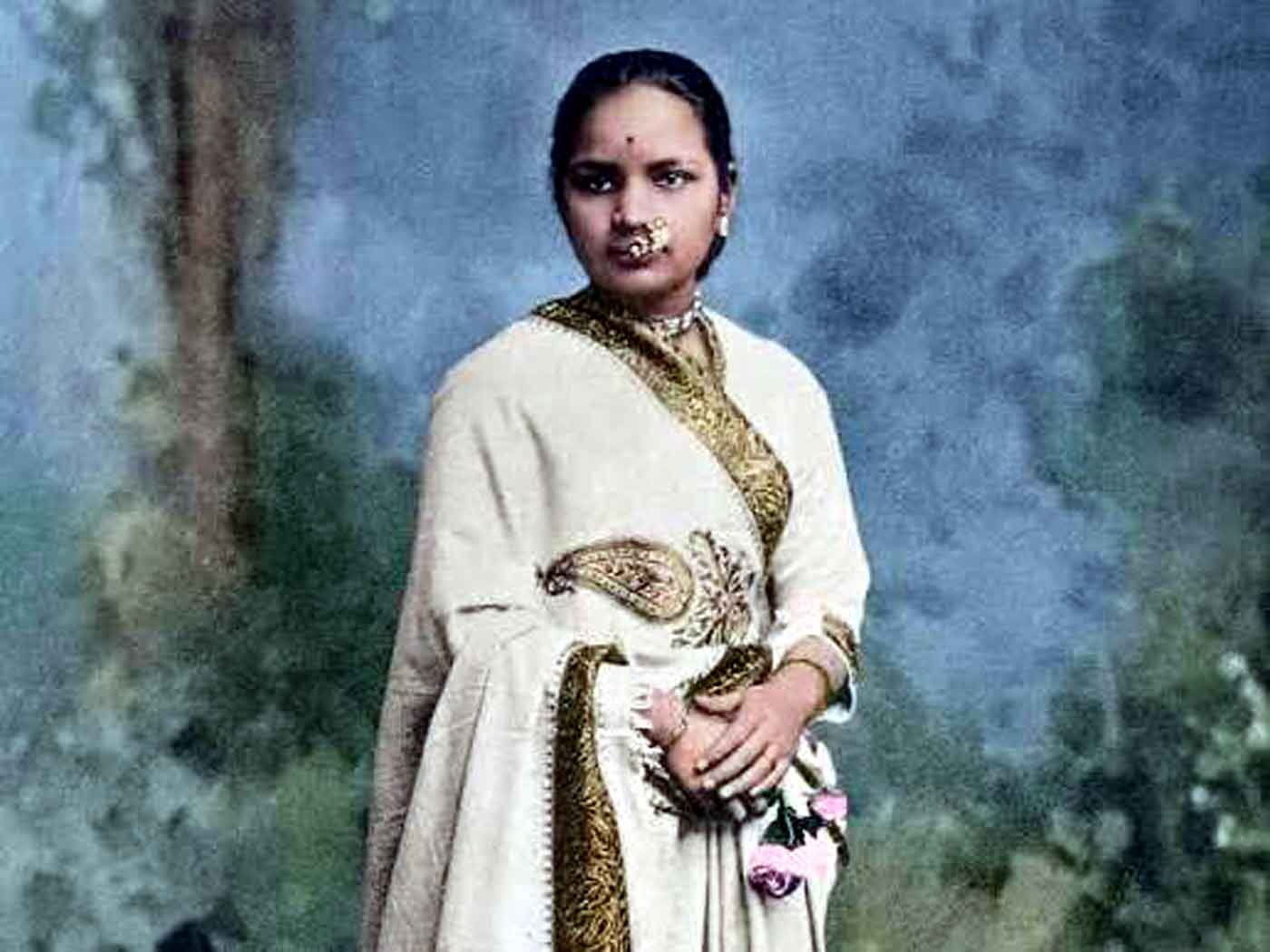
When Dr. Anandibai Gopalrao Joshi graduated with a medical degree in 1886, she became one of the first Indian women to earn a Western medical degree. Born in Maharashtra, Anandibai was married at the age of nine and experienced the devastating loss of her infant son due to inadequate medical care. The tragedy inspired her to pursue medicine so that other women would have access to qualified female physicians.
Travelling alone to the United States was almost unimaginable for an Indian woman during the 19th century. Despite criticism, illness, and financial hardships, she completed her studies at the Woman’s Medical College of Pennsylvania, becoming a symbol of educational reform and women’s empowerment. Although she passed away at just 21 years of age due to tuberculosis, her achievement inspired generations of Indian women to enter the medical profession.
Dr. Sabat M. Islambouli (Syria)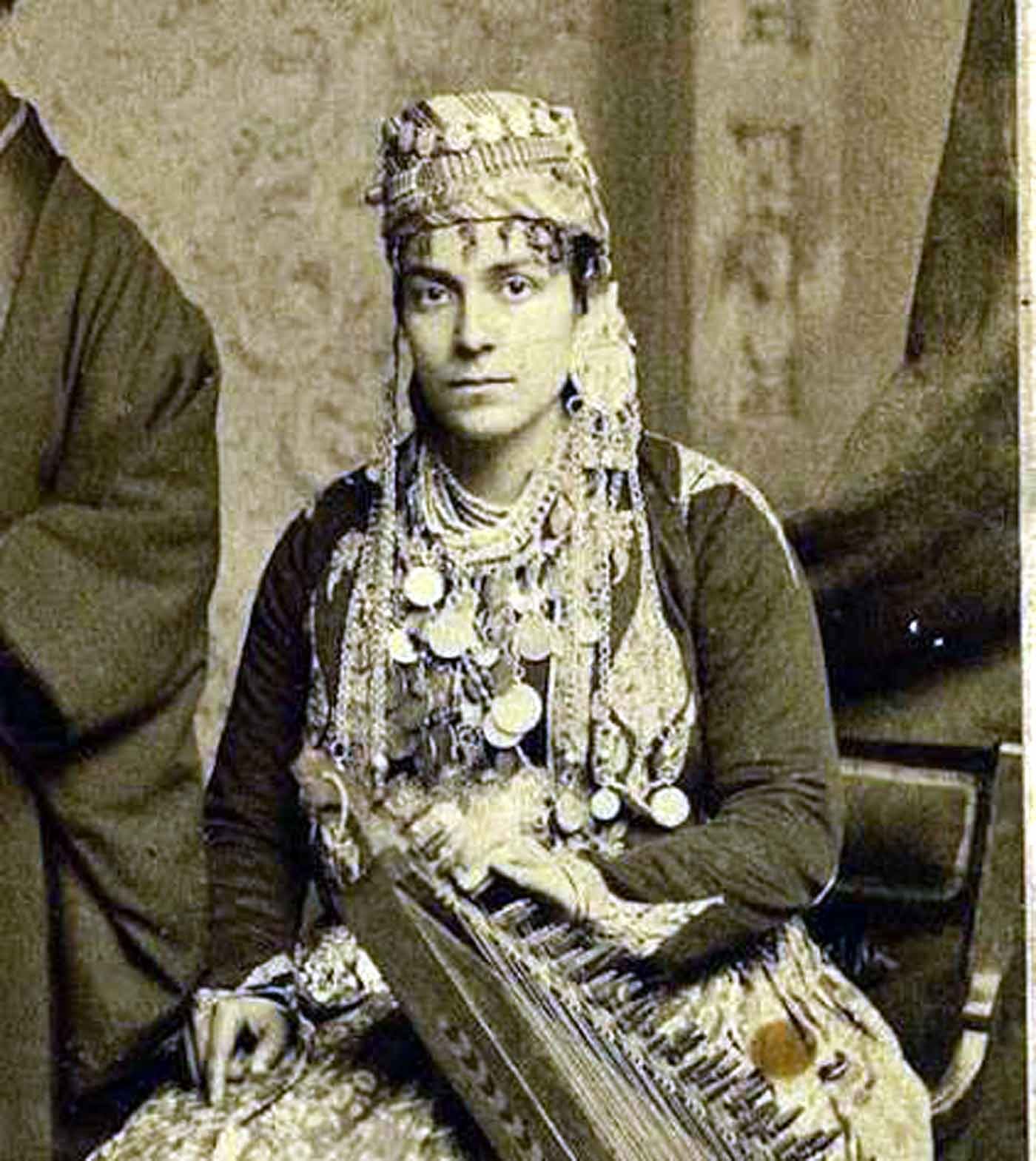
Dr. Sabat M. Islambouli became one of Syria’s first female physicians after graduating from the Woman’s Medical College of Pennsylvania in 1890. Following her education in the United States, she returned to Damascus, where she practiced medicine at a time when female doctors were exceedingly rare in the Middle East.
Her career demonstrated that women could excel in medicine while serving their own communities, inspiring future generations of Syrian women to pursue higher education and professional careers.
Dr. Kei Okami (Japan)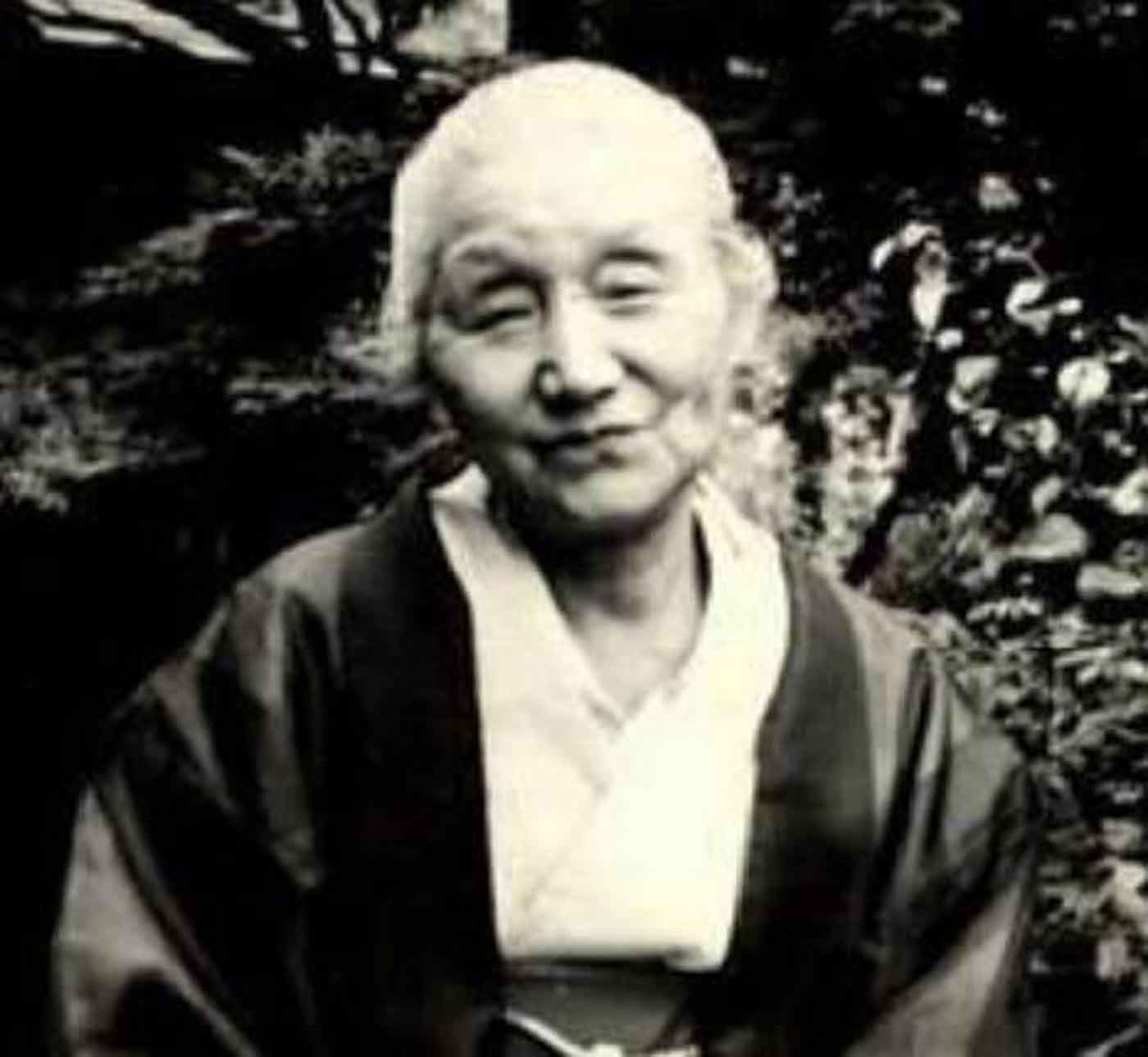
In 1889, Dr. Kei Okami became the first Japanese woman to earn a Western medical degree from a Western university, also graduating from the Woman’s Medical College of Pennsylvania.
After returning to Japan, she sought to practice medicine in a society where opportunities for female physicians remained limited. Although institutional barriers restricted her career progression, her accomplishments paved the way for Japanese women to pursue medical education in the years that followed. Her journey stands as a testament to perseverance in the face of cultural and professional obstacles.
A Legacy That Lives On
These three pioneers achieved far more than personal success. They challenged centuries of prejudice, confronted deeply patriarchal societies, and demonstrated that talent and compassion know no gender.
Today, millions of women serve as doctors, surgeons, researchers, and healthcare leaders around the world. Every woman who enters a medical college, treats a patient, performs a life-saving surgery, or advances scientific research walks a path that was first cleared by pioneers like Anandibai Joshi, Sabat M. Islambouli, and Kei Okami. Their stories remind us that progress is rarely handed to those who seek it. It is built by those courageous enough to challenge the impossible and determined enough to change history for everyone who follows.