

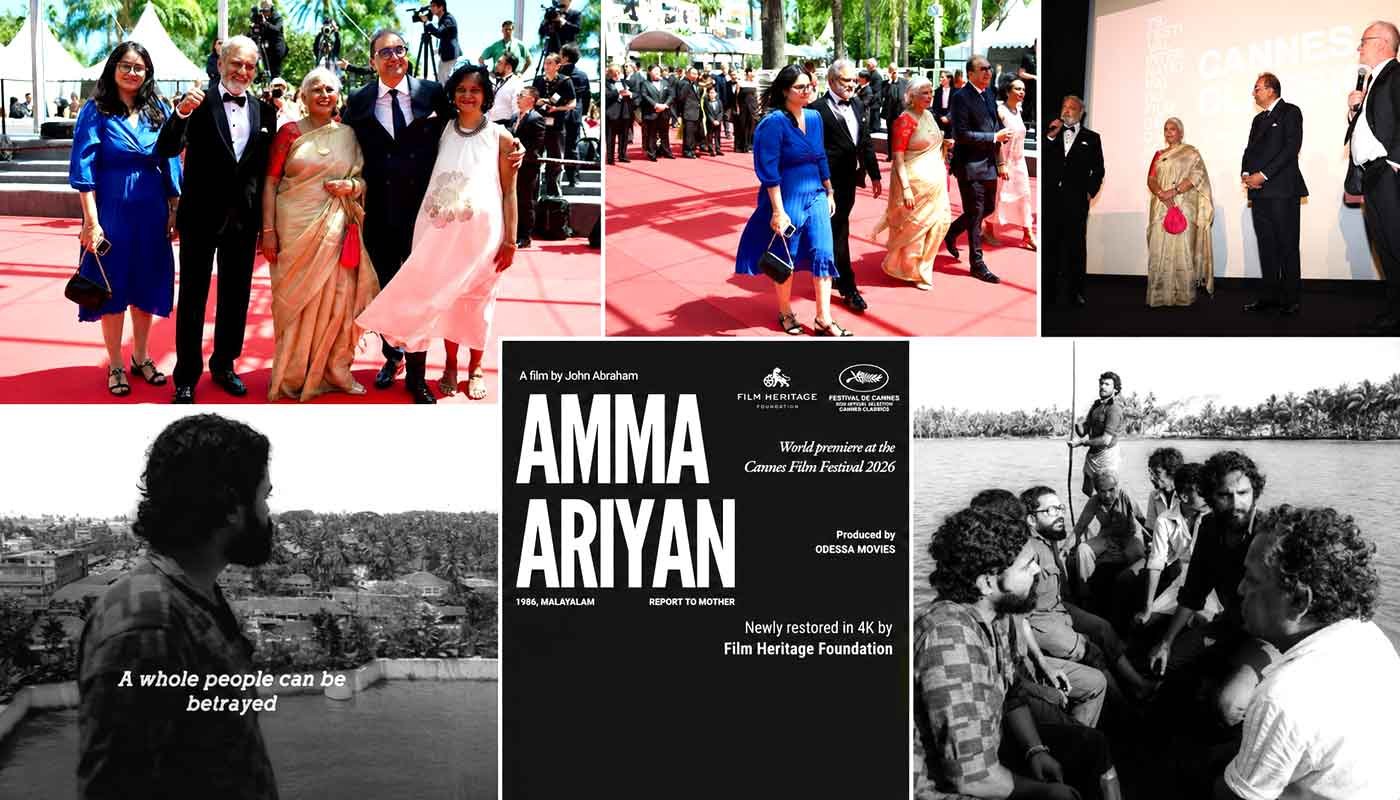
Nearly four decades after it was made outside the mainstream filmmaking system, Amma Ariyan (Report to Mother) has found renewed resonance at the 2026 Cannes Film Festival. The 1986 Malayalam classic, directed by John Abraham, is one of only two Indian works officially selected for screening at Cannes this year, the other being Shadows of the Moonless Nights by FTII student Mehar Malhotra in the La Cinef Competition.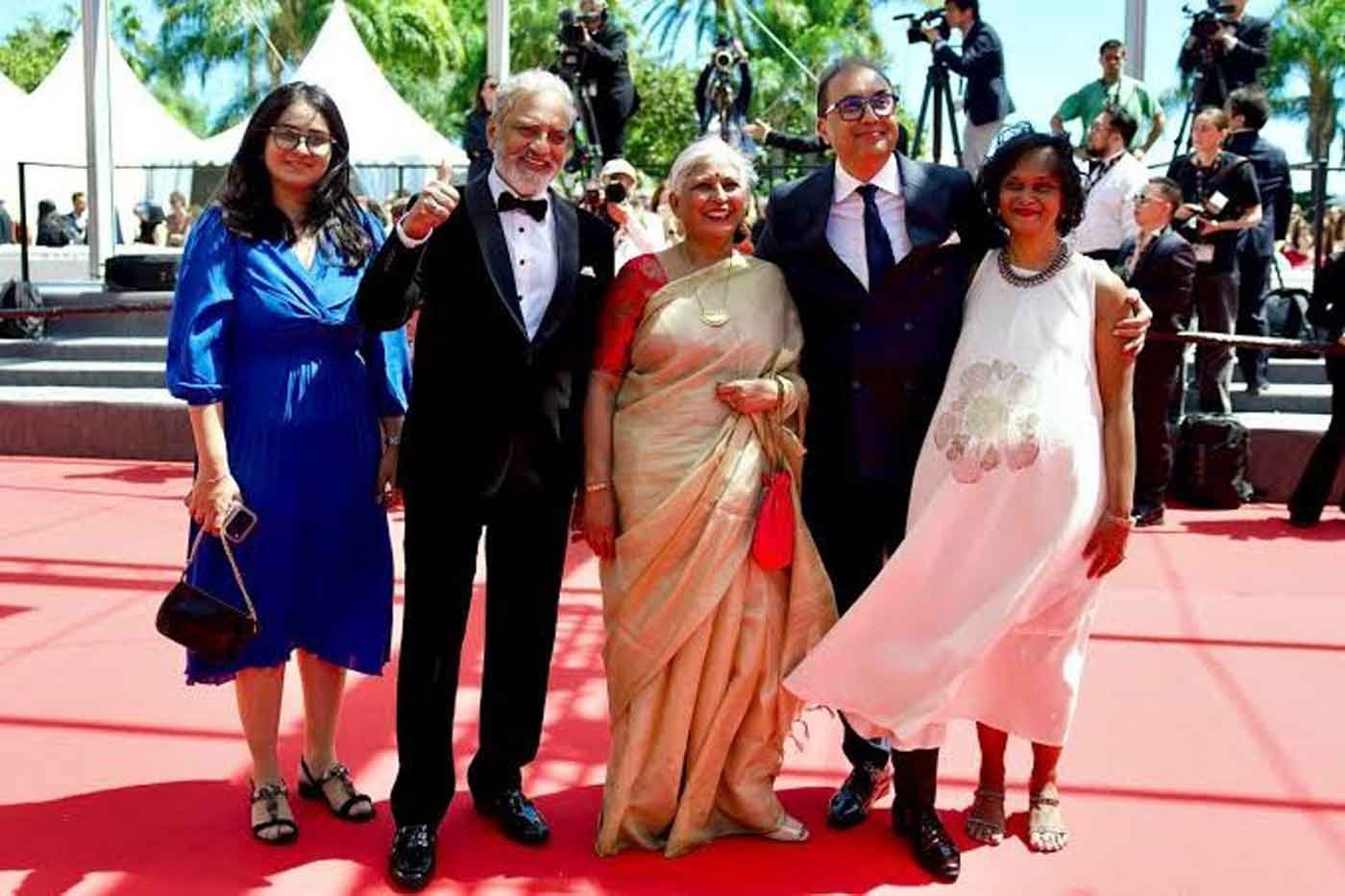
For Indian cinema, the screening marks more than a festival milestone. It is a rediscovery of one of the most radical experiments in people’s cinema that India has produced.
Made through public contributions and collective effort, Amma Ariyan emerged from John Abraham’s vision of cinema independent of financiers and conventional production systems. A student of Ritwik Ghatak and deeply influenced by modern cinema movements, John founded the Odessa Collective — an alternative film movement that travelled from village to village screening films using a 16mm projector. The funds collected during these journeys eventually helped create Amma Ariyan.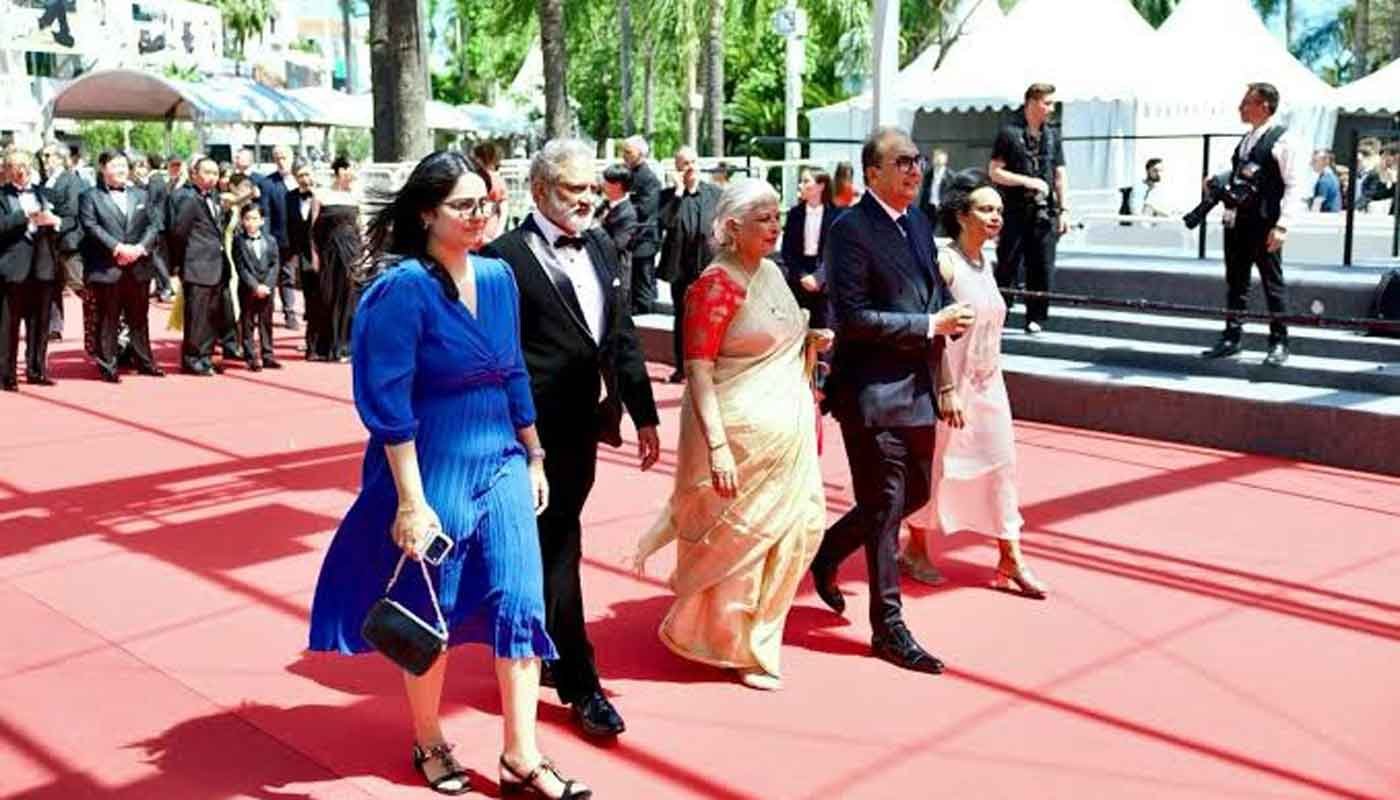
The film became John Abraham’s final work before his untimely death and would later be recognised as one of the defining works of India’s parallel cinema movement.
Part road film, part documentary and deeply experimental in structure, Amma Ariyan follows Purushan, who embarks on a journey to inform a mother of her son Hari’s death. Along the way, encounters with friends and acquaintances unfold into memories, reflections and fragments of personal histories. Through these recollections, the audience pieces together the life of Hari — a troubled musician whose story becomes intertwined with broader questions of political resistance, social movements, hope and disillusionment.
Its non-linear narrative, documentary realism and use of memory as structure distinguished it from conventional filmmaking of its time. The film rejected formula and instead embraced an open, reflective cinematic language.
Now restored in 4K by Film Heritage Foundation, the film’s Cannes screening marks the fifth consecutive year that the organisation has brought an Indian classic to the festival’s official programme.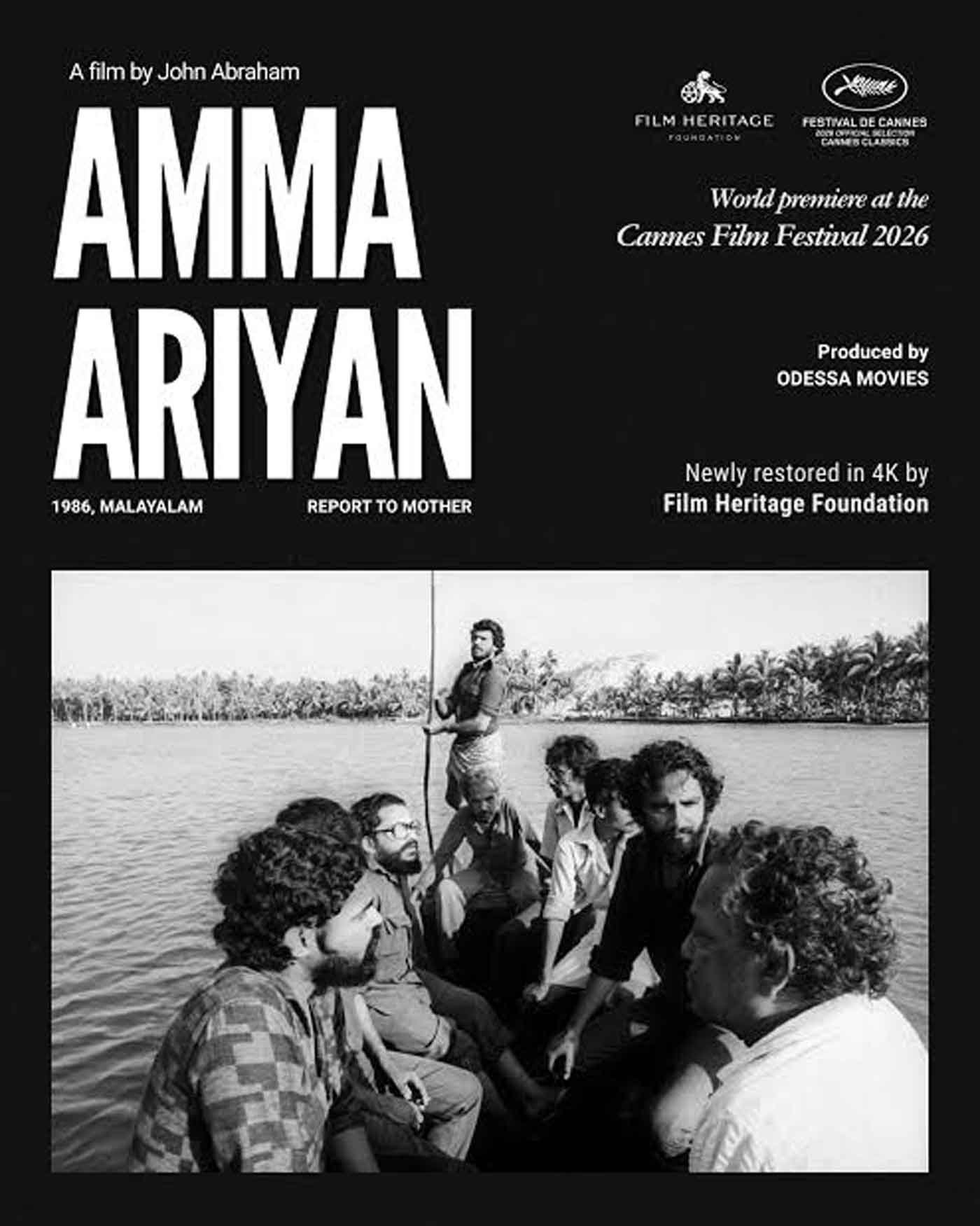
The screening was attended by editor Bina Paul, actor Joy Mathew and Shivendra Singh Dungarpur. The restored version reportedly received a full-house reception and standing ovation, reaffirming the film’s enduring relevance.
The response at Cannes speaks not only to the timelessness of Amma Ariyan but also to the continuing fascination with John Abraham’s uncompromising cinematic voice — one that refused rules, rejected commercial structures and imagined cinema as a collective cultural act.
Nearly forty years later, Amma Ariyan returns not as nostalgia, but as a reminder that some films remain as timeless reflection of the society, retain relevance, and engage invested audience.