

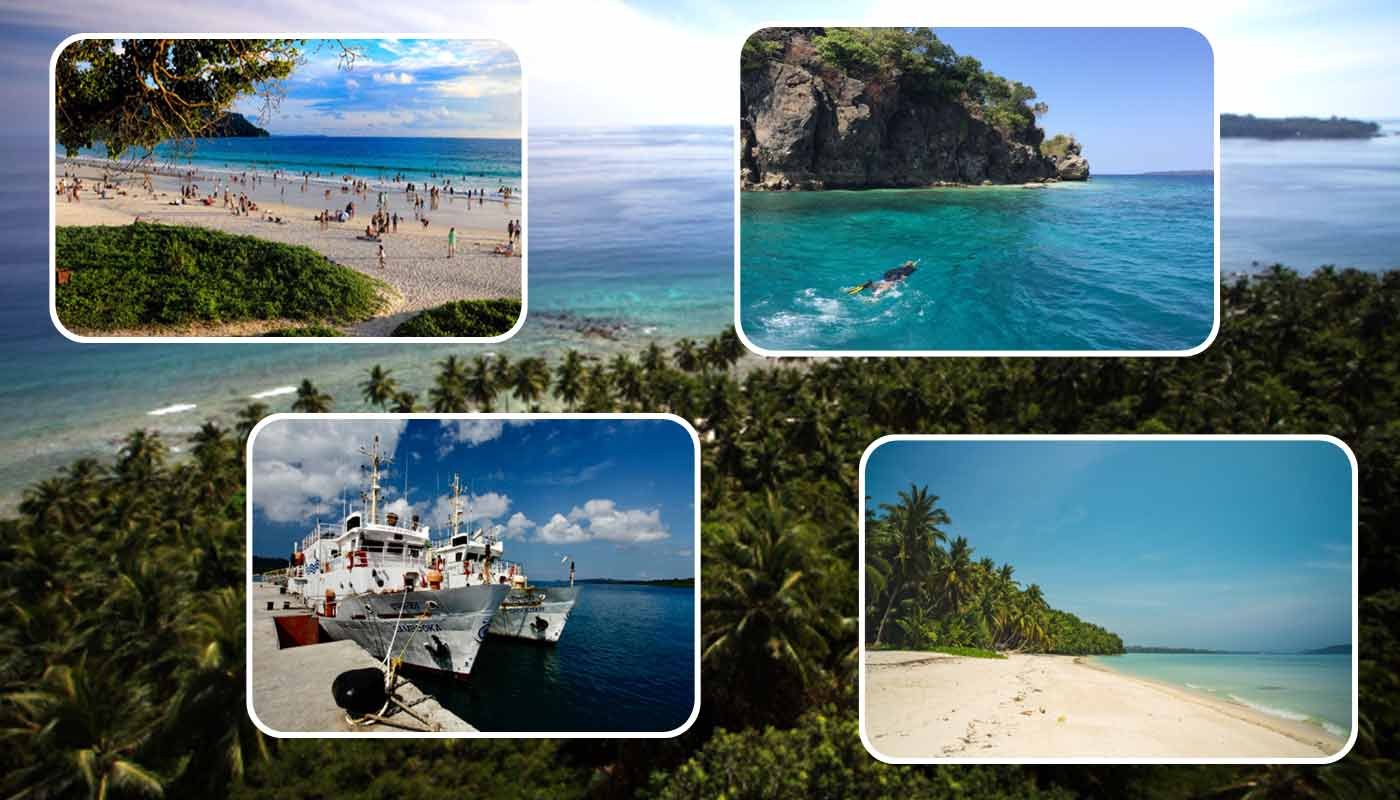
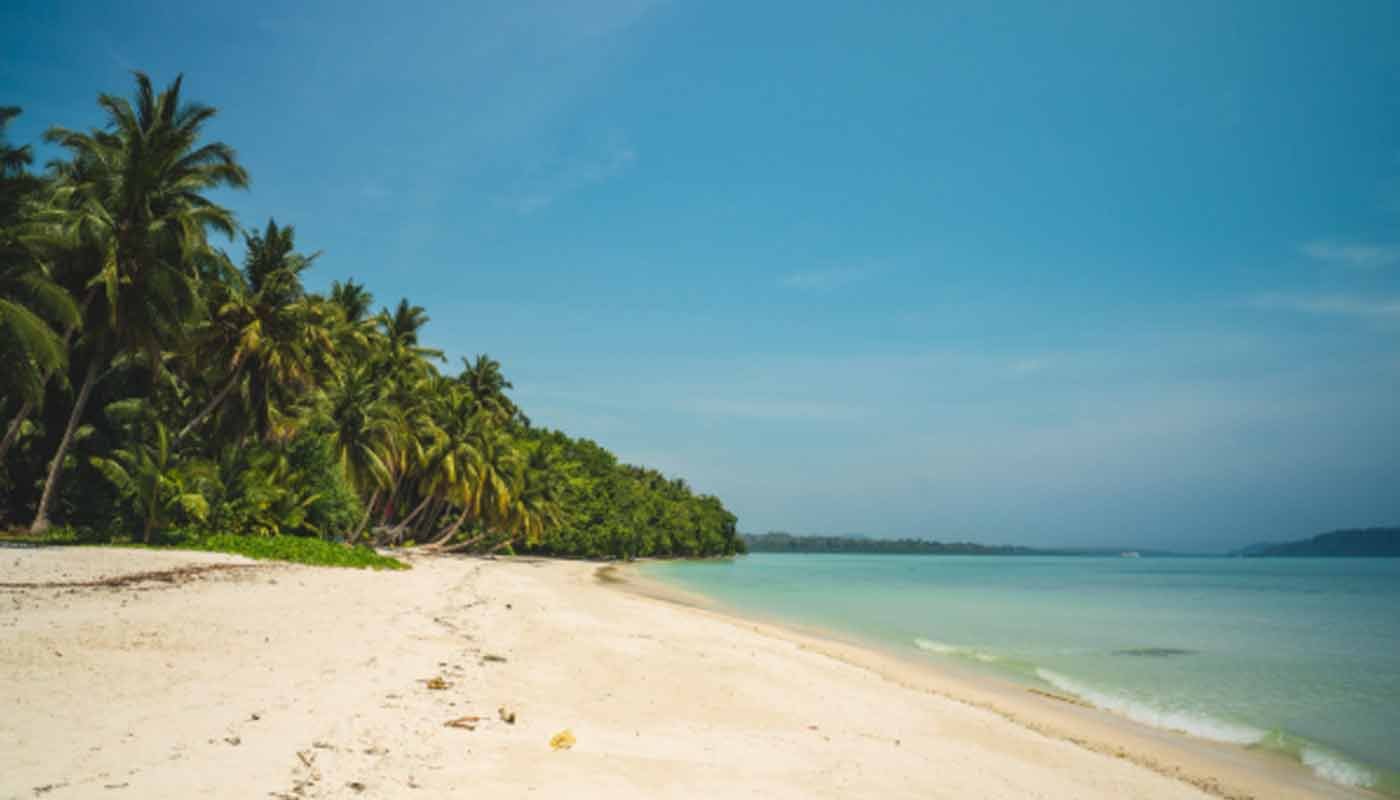
There are places you visit and move on from, and then there are places like the Andaman and Nicobar Islands that stay with you long after the trip ends. Spread across the Bay of Bengal, this chain of over 500 islands feels untouched in a way very few destinations in India still do. Thick tropical forests cover most of the land, coral reefs surround the coastline, and the sea shifts between shades of blue that are hard to put into words.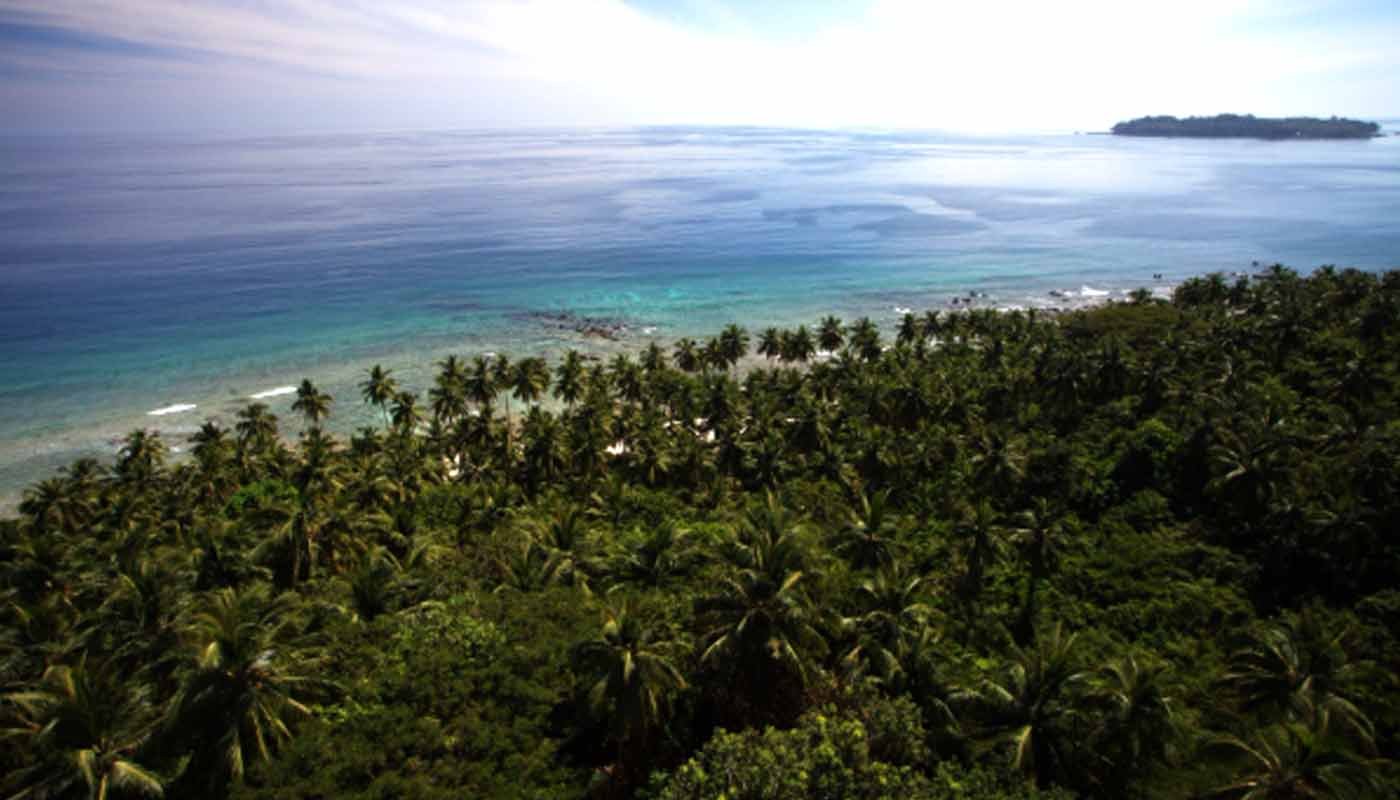
If you are planning a trip, timing plays a big role in the kind of experience you will have. The travel season usually begins in October and continues till mid-June. December to March is when the islands are at their best, with pleasant weather, calm seas, and clear skies. This is also the ideal time for water activities like scuba diving and snorkelling, especially in February and March when underwater visibility is at its peak and marine life is easy to spot. October and November have their own charm, with the islands turning fresh and green after the monsoon and fewer crowds around. Even the monsoon months from June to September offer a different side of Andaman, with rain-washed landscapes and dramatic coastlines, though sea travel can sometimes be affected.

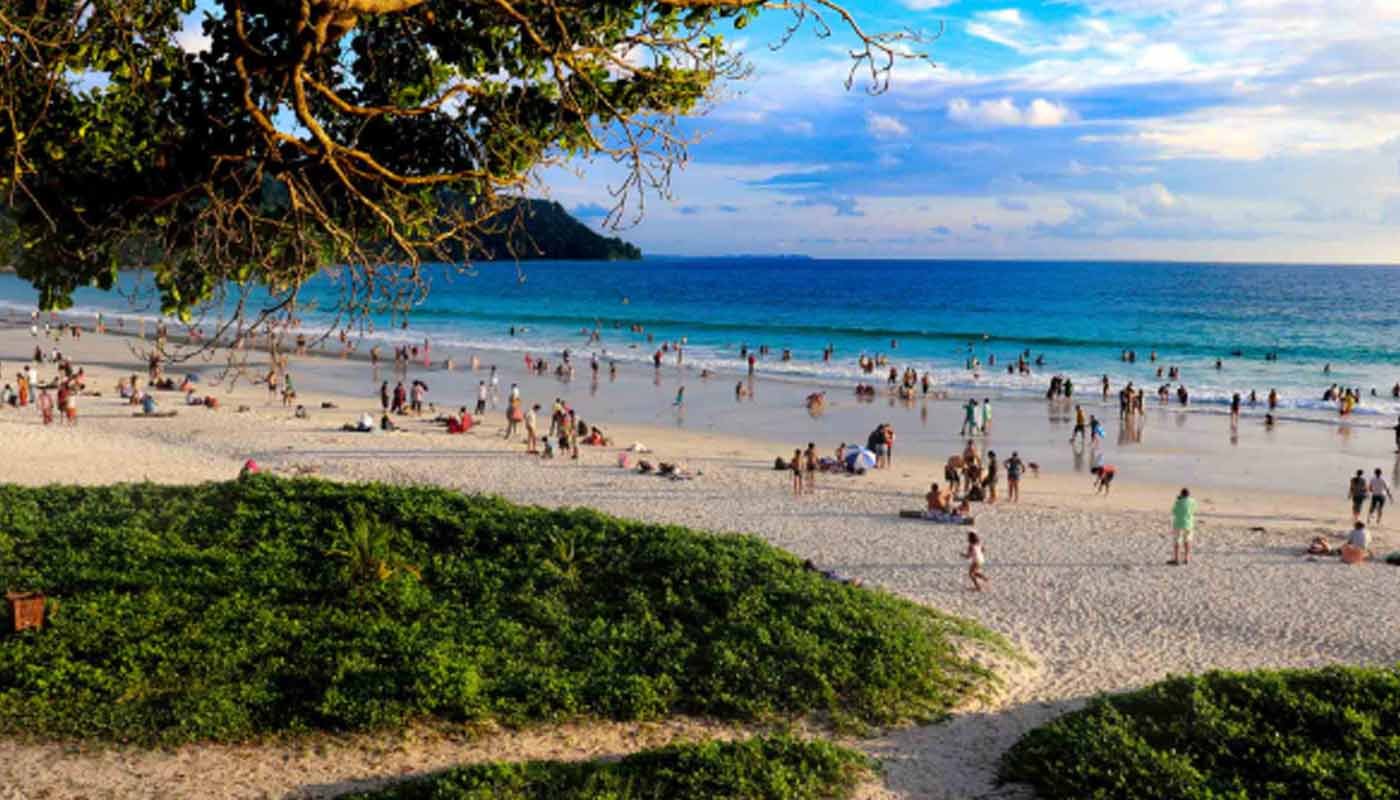
When it comes to places you should not miss, a few stand out for very different reasons. Havelock Island, now known as Swaraj Dweep, is where you find the kind of beaches people usually imagine when they think of Andaman. Radhanagar Beach, with its wide stretch of white sand and clean water, is easily one of the highlights. Neil Island, or Shaheed Dweep, offers a slower and quieter experience, perfect if you want to relax without rushing. Its natural rock formations and calm beaches make it ideal for unwinding. Port Blair, the capital, is where your journey begins, but it is more than just a transit point. The Cellular Jail stands as a reminder of India’s past, and the evening light and sound show brings that history to life in a way that stays with you. If you are looking for something different, Baratang Island offers limestone caves and mangrove creeks, where even the journey becomes part of the experience.
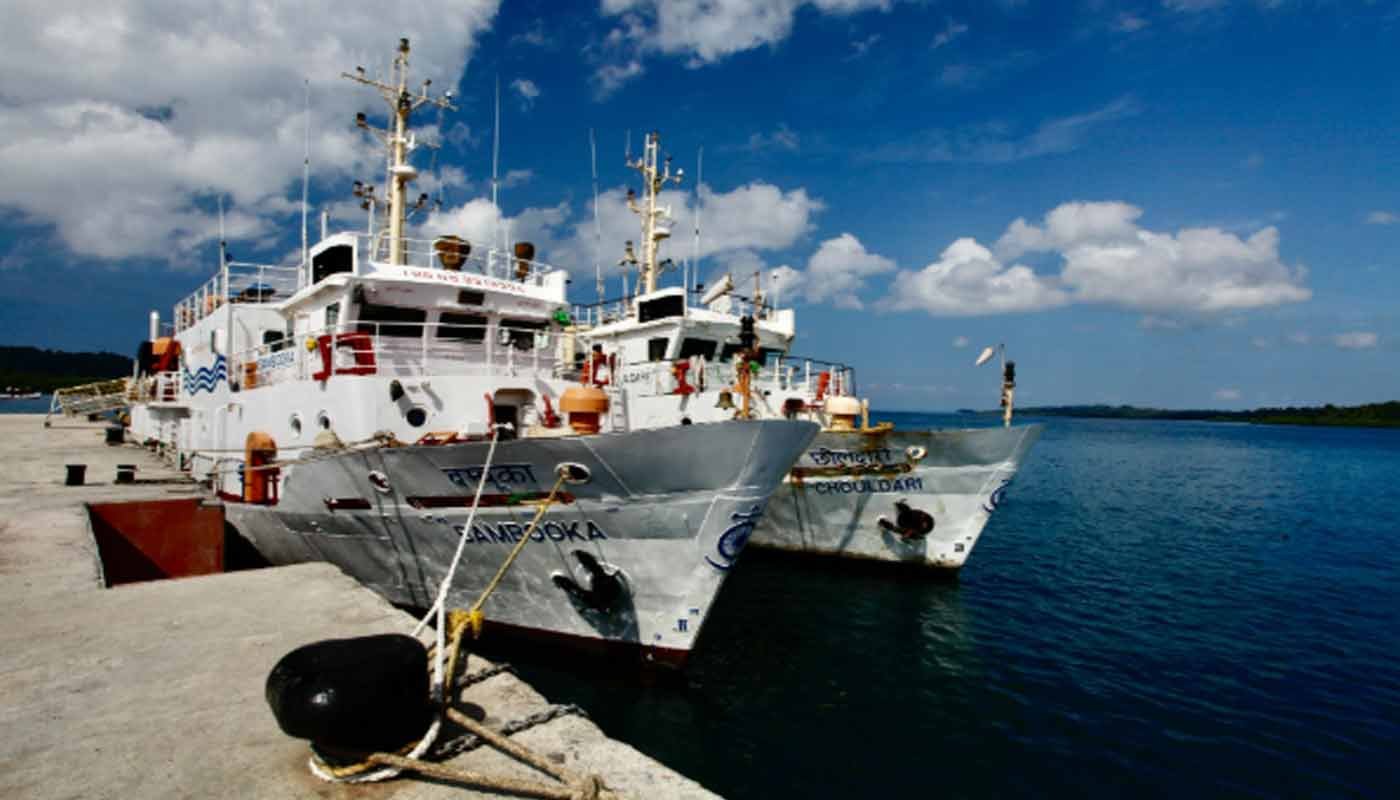
Getting around the islands is simpler than most people expect. Inter-island travel is mainly through ferries, with both government and private options available. Private ferries are faster and more comfortable, while government ferries are more economical. On islands like Havelock and Neil, renting a scooter is one of the easiest ways to explore at your own pace. The roads are straightforward and distances are short, which makes it convenient even for first-time visitors. In Port Blair, taxis are easily available for local sightseeing.
What makes Andaman truly special is how untouched it still feels. Nearly 86 percent of the islands are covered in dense forest, and many remain uninhabited. The coral reefs are still vibrant, and the marine life is rich and visible even for beginners. It is one of the few places where you can experience beaches, history, and underwater life without spending hours traveling between locations. There is a certain quietness to the islands that you begin to notice after a day or two, something that is hard to find in more commercial destinations.
Planning the trip itself is fairly straightforward. Flights connect Port Blair to major cities like Chennai and Kolkata, and once you arrive, ferries take you to the other islands. A comfortable plan would be to spend two nights in Port Blair, two to three nights in Havelock, and one to two nights in Neil Island. This gives you enough time to experience each place without rushing through it. Keeping a buffer day is always a good idea, especially if you are traveling during shoulder season when ferry schedules can shift.
Andaman is not a destination that needs to be rushed or over planned. It works best when you slow down, spend time by the water, and let the place unfold at its own pace.
Written by Rathnam R
Andaman Holidays