
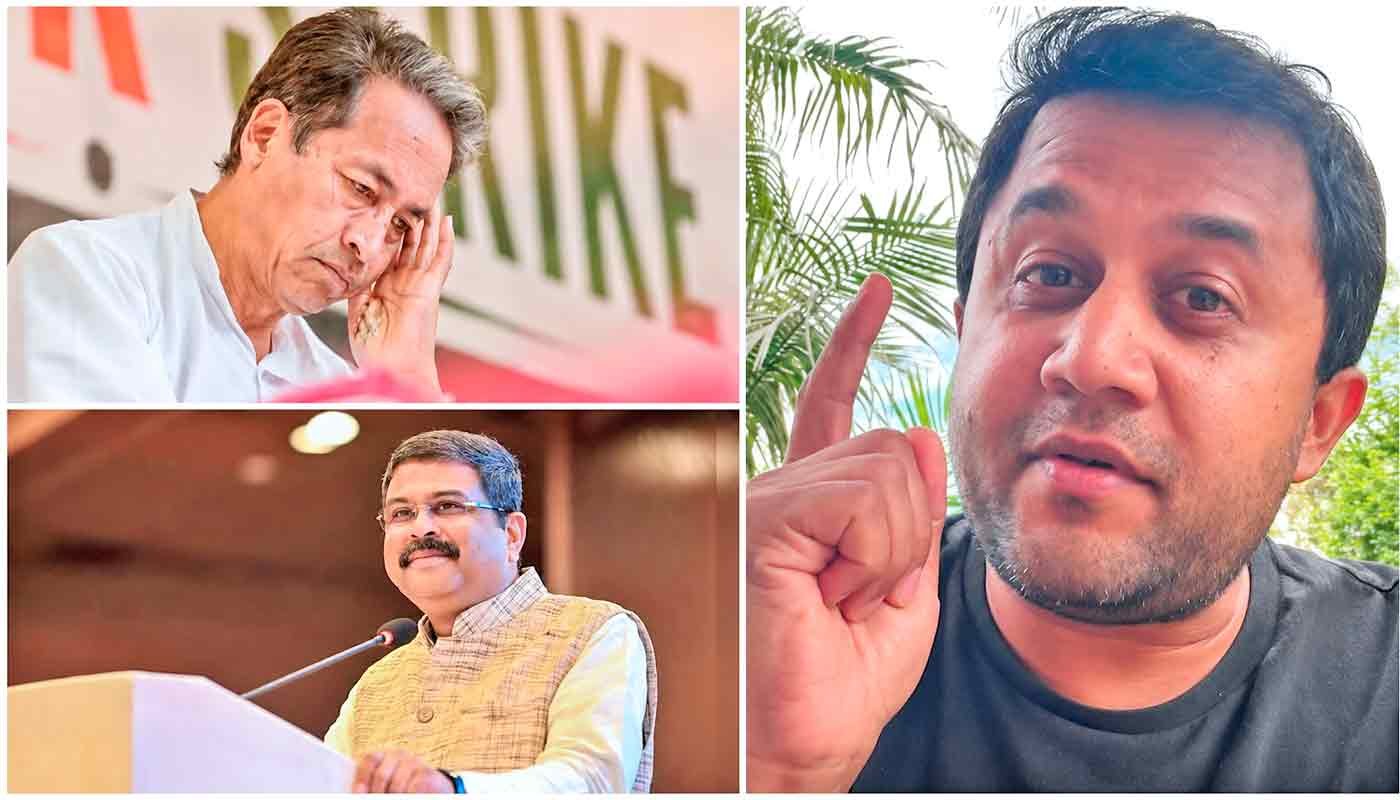
Seventeen days. That is how long education reformer and innovator Sonam Wangchuk has continued his hunger strike, demanding accountability over examination irregularities that have shaken the confidence of millions of students across India. His health has visibly deteriorated, with reports indicating significant weight loss, muscle weakness, and falling blood sugar levels, yet he continues his protest.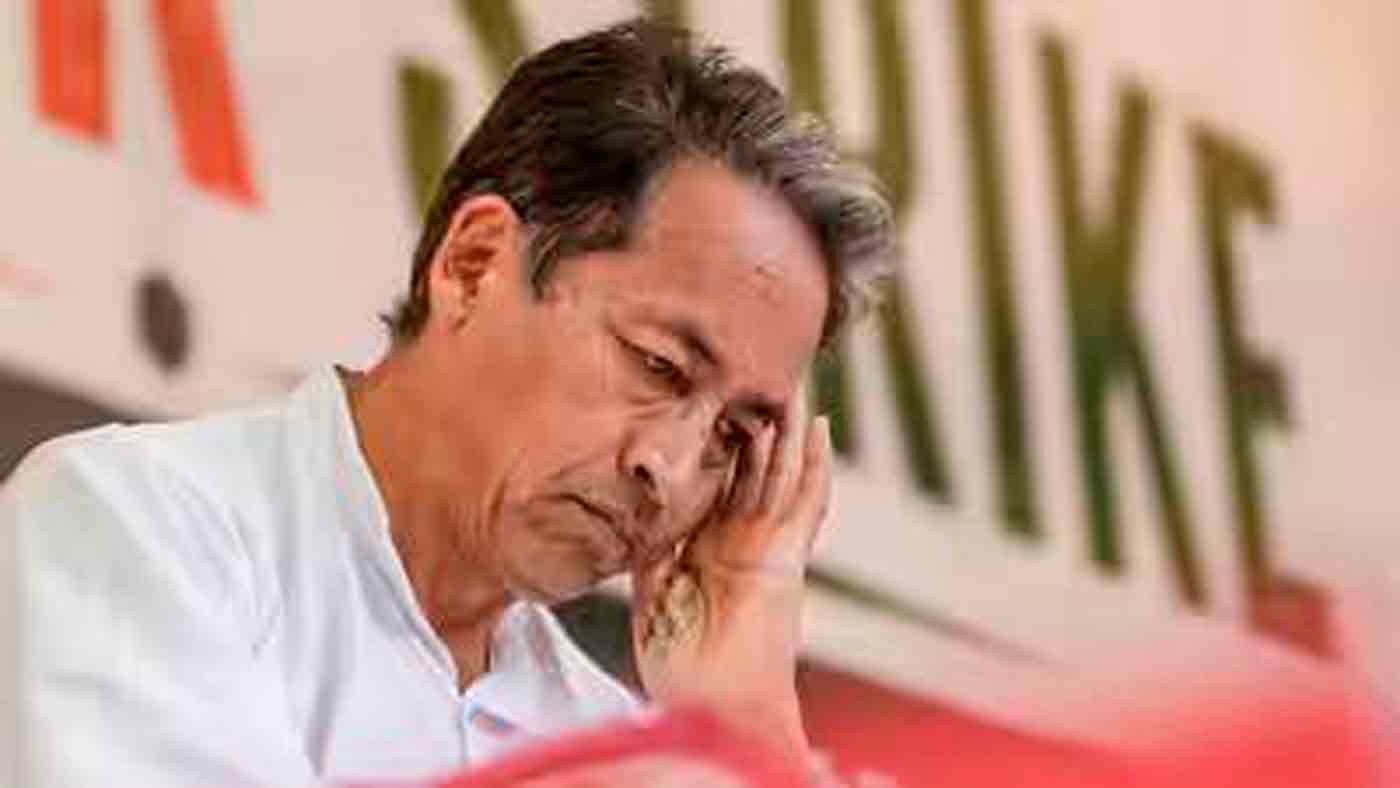
For many students, this is no longer just about one examination. It is about trust.
An Education System Under Scrutiny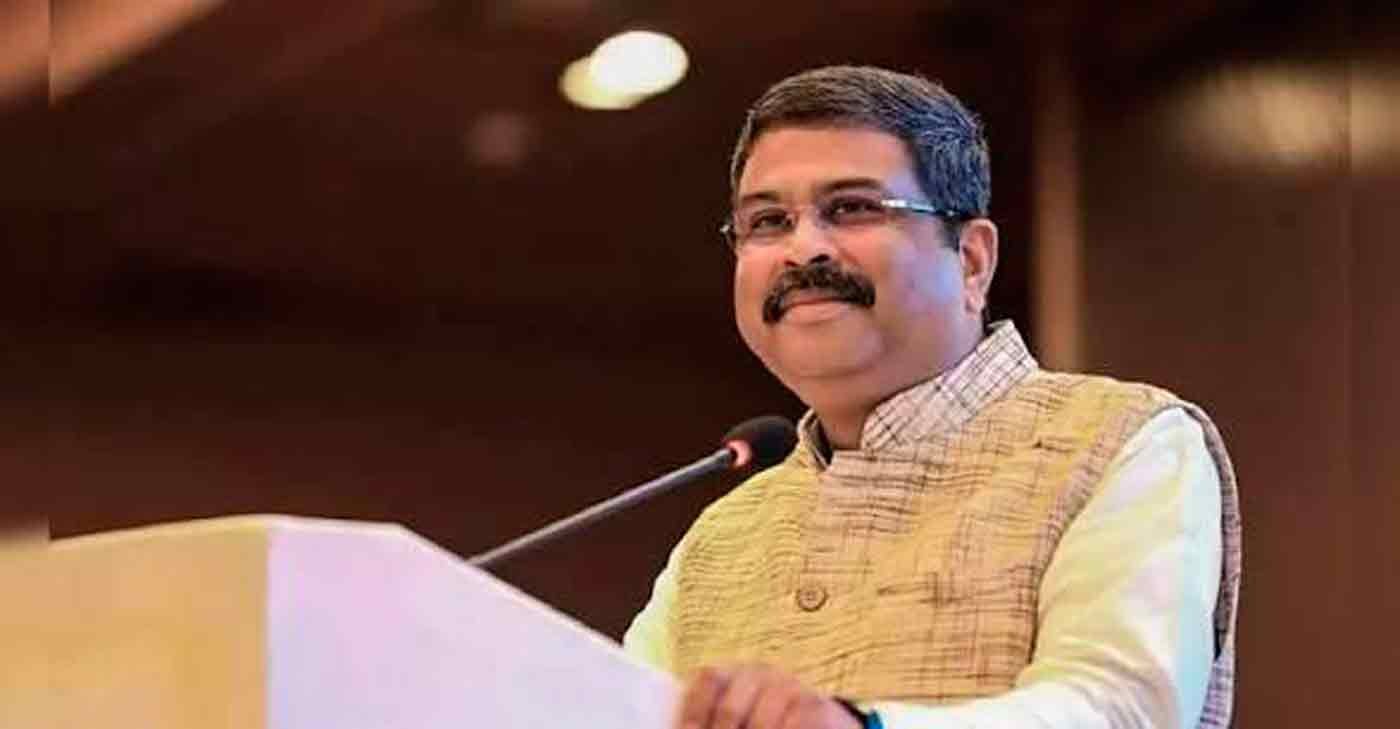
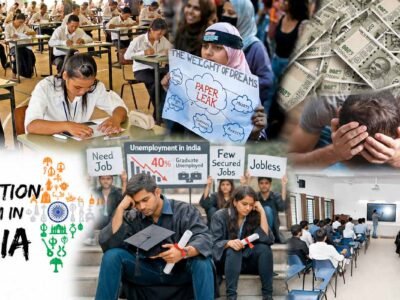
The controversy surrounding examination leaks and the subsequent disruption of national entrance examinations left millions of aspirants uncertain about their future. Students who spent years preparing suddenly found themselves caught between cancelled examinations, re-tests, investigations, and public uncertainty.
Wangchuk’s demand is rooted in a larger question: when systemic failures affect millions of young people, who accepts responsibility?
Education is often described as the backbone of a nation. Yet when confidence in that system begins to erode, the consequences extend far beyond one examination cycle.
A Protest That Has Gained National Attention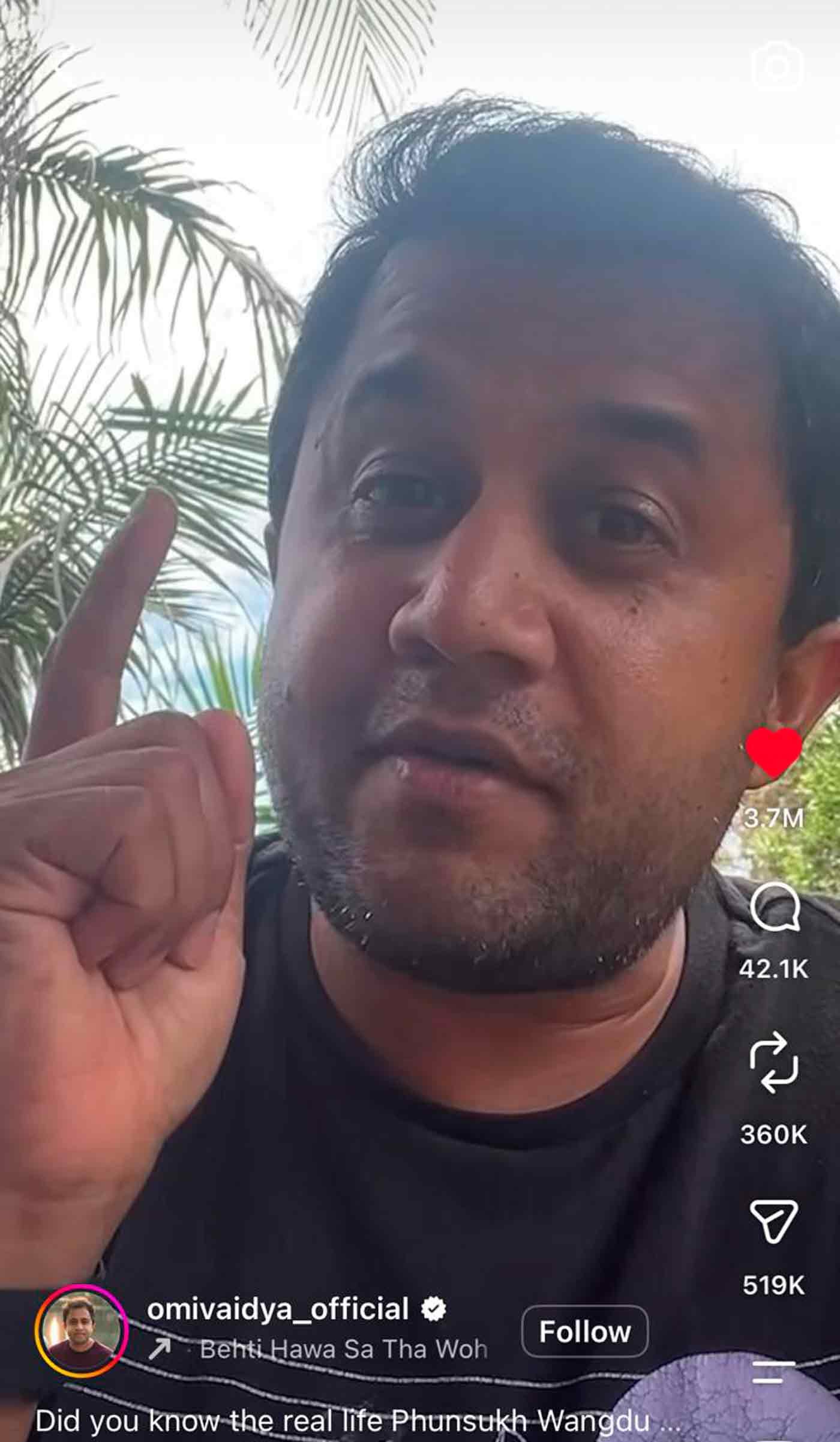
The hunger strike has drawn support from educators, activists, political leaders, and public figures across the country.
Among the voices speaking up is actor Omi Vaidya, remembered worldwide as Chatur Ramalingam from 3 Idiots. In an emotional appeal shared online, he reminded audiences that Sonam Wangchuk was the real-life inspiration behind the character Phunsukh Wangdu.
“I don’t want Phunsukh Wangdu to die,” Vaidya said, urging people to pay attention to Wangchuk’s deteriorating condition and the issues he is raising.
The statement resonated with many who grew up watching 3 Idiots, a film that itself questioned India’s obsession with rote learning, academic pressure, and institutional rigidity.
Governance Is Also About Listening
No government is judged solely by its foreign policy achievements or global partnerships. International diplomacy, economic agreements, and strategic alliances are undoubtedly important. They shape India’s standing on the world stage.
But governance is equally measured by how governments respond when citizens raise concerns at home. When students lose confidence in examination systems, when parents question institutional credibility, and when an education reformer believes the only remaining avenue is a hunger strike, those concerns deserve serious engagement rather than dismissal.
In a democracy, accountability is not a sign of weakness. It is one of its defining strengths.
The Human Cost
Behind every examination controversy are real people.
Students invest years preparing for competitive examinations, often sacrificing sleep, hobbies, financial stability, and social lives. For many families, these examinations represent hopes accumulated over generations.
When those systems appear compromised, the emotional consequences can be devastating.
That is why conversations around examination integrity cannot be reduced to administrative procedures alone. They are conversations about mental health, opportunity, and public trust.
Beyond Politics
Whether one agrees with every demand made during the protest or not, Wangchuk’s hunger strike has succeeded in forcing the country to confront uncomfortable questions.
Can India’s education system regain the confidence of its students? What mechanisms ensure accountability when large-scale examination failures occur? How can institutions become more transparent and resilient against future irregularities? These questions deserve answers that extend beyond political rivalry.
A Nation Should Never Ignore Its Teachers
The image of Sonam Wangchuk sitting at Jantar Mantar, visibly weaker but continuing his fast, has become symbolic for many Indians.
Not because every citizen agrees with every aspect of the protest. But because it raises a troubling question. If one of India’s most respected education reformers believes that starving himself is necessary to be heard, what does that say about the state of dialogue between citizens and those entrusted with shaping the country’s future?
Perhaps the greatest lesson from this moment is not about one protest, one minister, or one government. It is that education deserves to remain at the centre of national conversation, long after the headlines fade.