

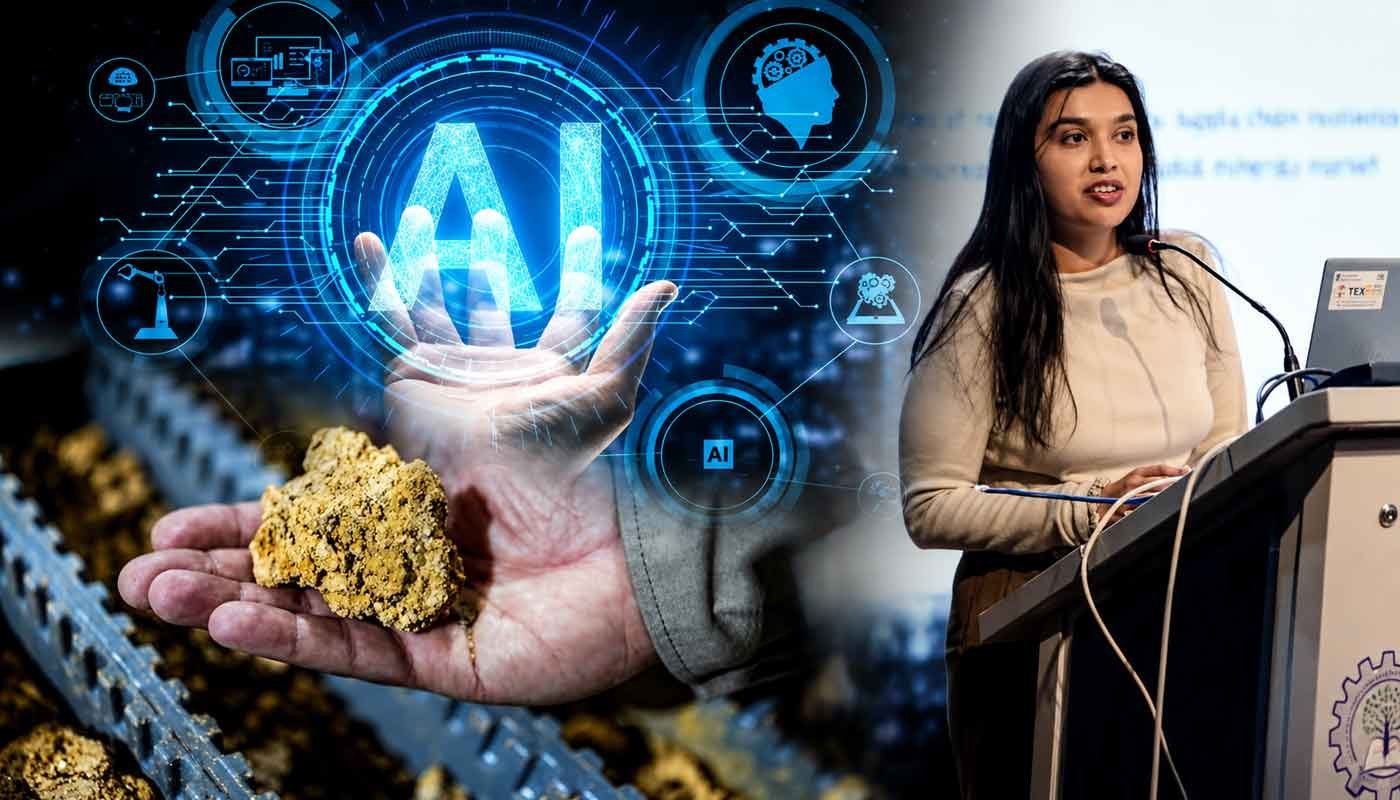
Northeast India may soon play a defining role in India’s economic and strategic future. According to the Geological Survey of India (GSI), the region possesses promising deposits of rare earth elements (REEs)—a group of 17 critical minerals that are indispensable for manufacturing everything from smartphones and electric vehicles to wind turbines, semiconductors, defence equipment, and advanced electronics.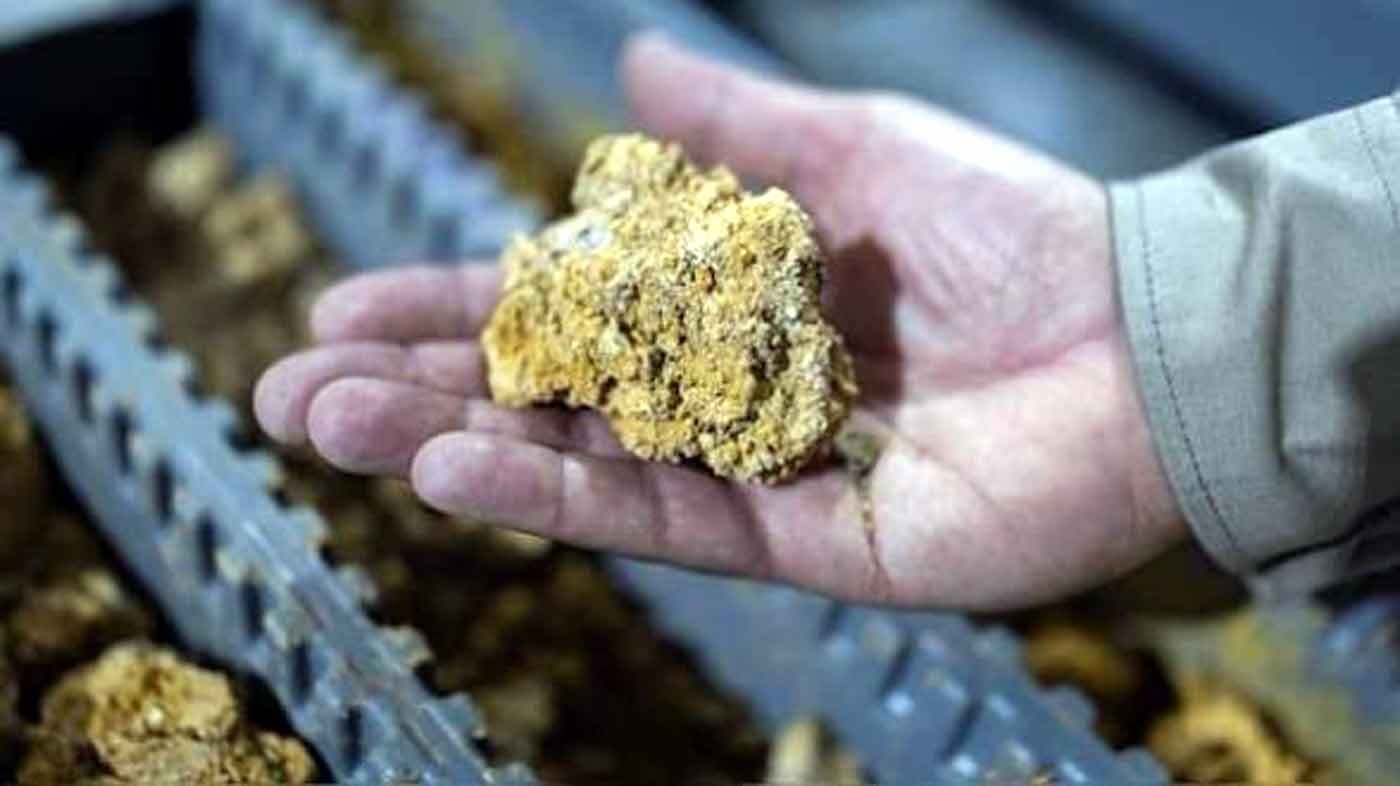
At a time when countries around the world are racing to secure reliable supplies of these strategic minerals, Northeast India has emerged as a region of immense potential. However, experts caution that discovering rare earth minerals is only the first step.
As explained by Drishala Anand Sancheti, India’s long-term success will depend not merely on possessing these resources but on building the technology, workforce, and industrial ecosystem needed to process and utilize them effectively.
Why Rare Earth Elements Matter
Despite their name, rare earth elements are relatively abundant in the Earth’s crust. What makes them “rare” is that they are difficult and expensive to extract, separate, and refine.
These minerals have become the backbone of modern technology. They are essential for:
⦁ Electric vehicle batteries and motors
⦁ Smartphones and consumer electronics
⦁ Renewable energy technologies
⦁ Defence systems and aerospace equipment
⦁ Medical imaging devices
⦁ Artificial intelligence hardware and semiconductors
Today, China dominates the global rare earth processing industry, controlling a significant share of refining capacity and downstream manufacturing. This has prompted countries such as the United States, Japan, Australia, and India to diversify global supply chains.
Why Northeast India Matters
The GSI’s findings suggest that Northeast India could become a crucial link in strengthening Indo-Pacific supply chains.
The region has already witnessed major improvements in connectivity through new highways, railway corridors, airports, and cross-border infrastructure under India’s Act East Policy, making it increasingly attractive for industrial development and international trade.
Its geographical proximity to Southeast Asia also provides India with an opportunity to integrate more deeply into regional manufacturing networks.
Minerals Alone Don’t Create Global Leaders
Possessing critical minerals does not automatically translate into economic leadership. China’s dominance in rare earths was built not simply because it had the resources, but because it invested for decades in processing technologies, research institutions, skilled labour, and industrial capacity.
India now faces a similar challenge.
Experts argue that the country must invest in:
⦁ Dedicated Centres of Excellence for rare earth research.
⦁ Vocational training institutes across Northeast India to build a skilled workforce.
⦁ Artificial Intelligence and Machine Learning for mineral exploration and extraction.
⦁ Remote sensing, geospatial analytics, and digital mapping to improve exploration efficiency.
⦁ Sustainable mining and environmentally responsible extraction technologies.
These investments could ensure that India moves beyond simply exporting raw minerals and instead builds a complete value chain—from mining and refining to advanced manufacturing.
An Opportunity for Regional Transformation
Beyond strategic importance, rare earth development could become a catalyst for economic growth across Northeast India.
Responsible investment could generate employment, improve infrastructure, encourage technological innovation, and attract global industries seeking alternative rare earth supply chains.
However, experts also stress that development must balance economic ambitions with environmental protection and meaningful consultation with local communities. Sustainable mining practices and equitable benefit-sharing will be essential to ensuring that growth does not come at the expense of the region’s rich biodiversity and indigenous heritage.
As the global demand for critical minerals continues to rise, Northeast India finds itself at the center of a historic opportunity.
The rare earth deposits beneath its soil may be valuable, but India’s real competitive advantage will ultimately depend on what it builds above the ground: world-class technology, skilled human capital, and a sustainable industrial ecosystem.