

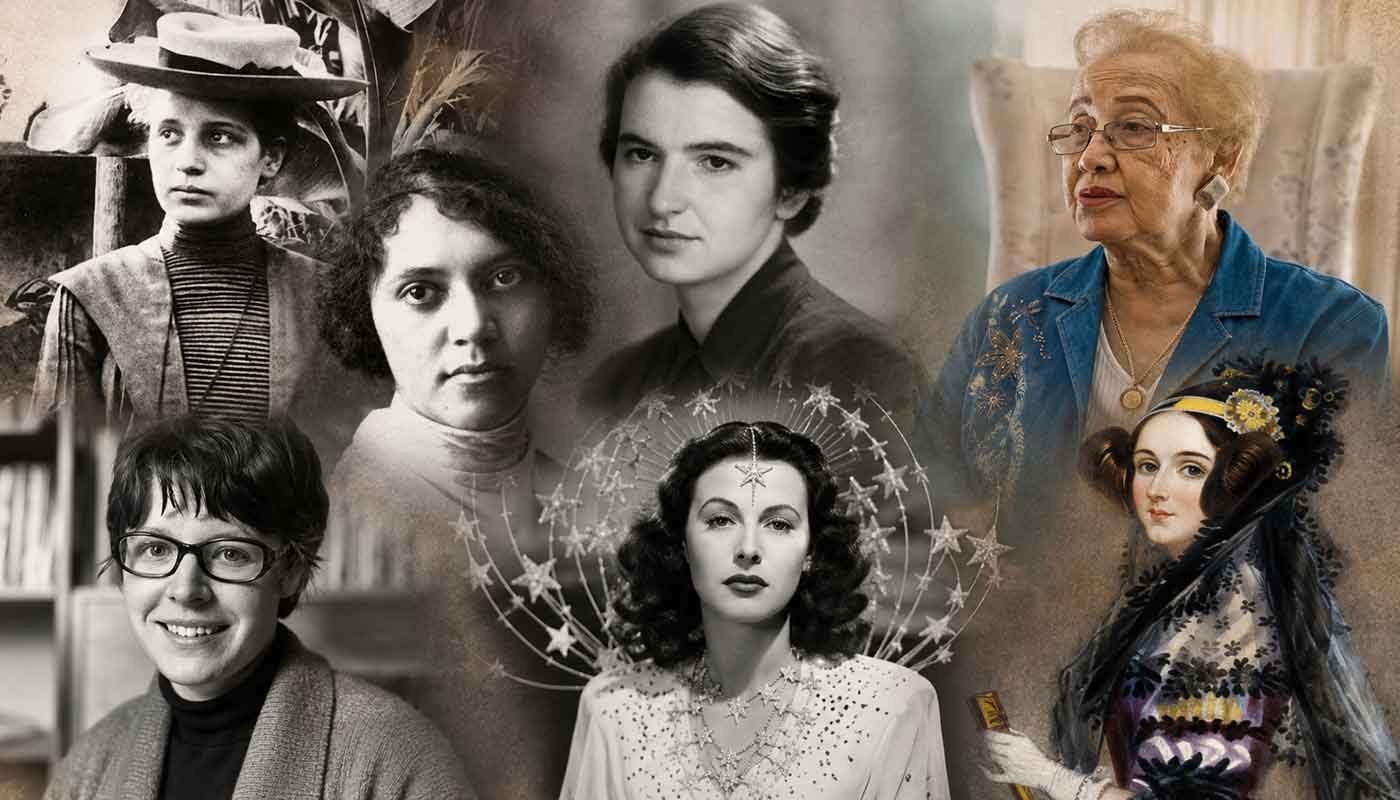
History has rarely been written fairly. For centuries, women have made discoveries, pioneered inventions, challenged conventions, and transformed the world, only to watch recognition pass to someone else. Sometimes their work was deliberately appropriated. Sometimes they were excluded simply because they were women. In other cases, systemic discrimination ensured their names disappeared from textbooks while their male counterparts became household names.
Behind some of history’s greatest scientific breakthroughs and technological innovations are women whose contributions deserve to be remembered, not as footnotes, but as pioneers. Here are seven extraordinary women who changed history, even when history refused to acknowledge them.
1. Hedy Lamarr — The Hollywood Star Who Helped Invent Wi-Fi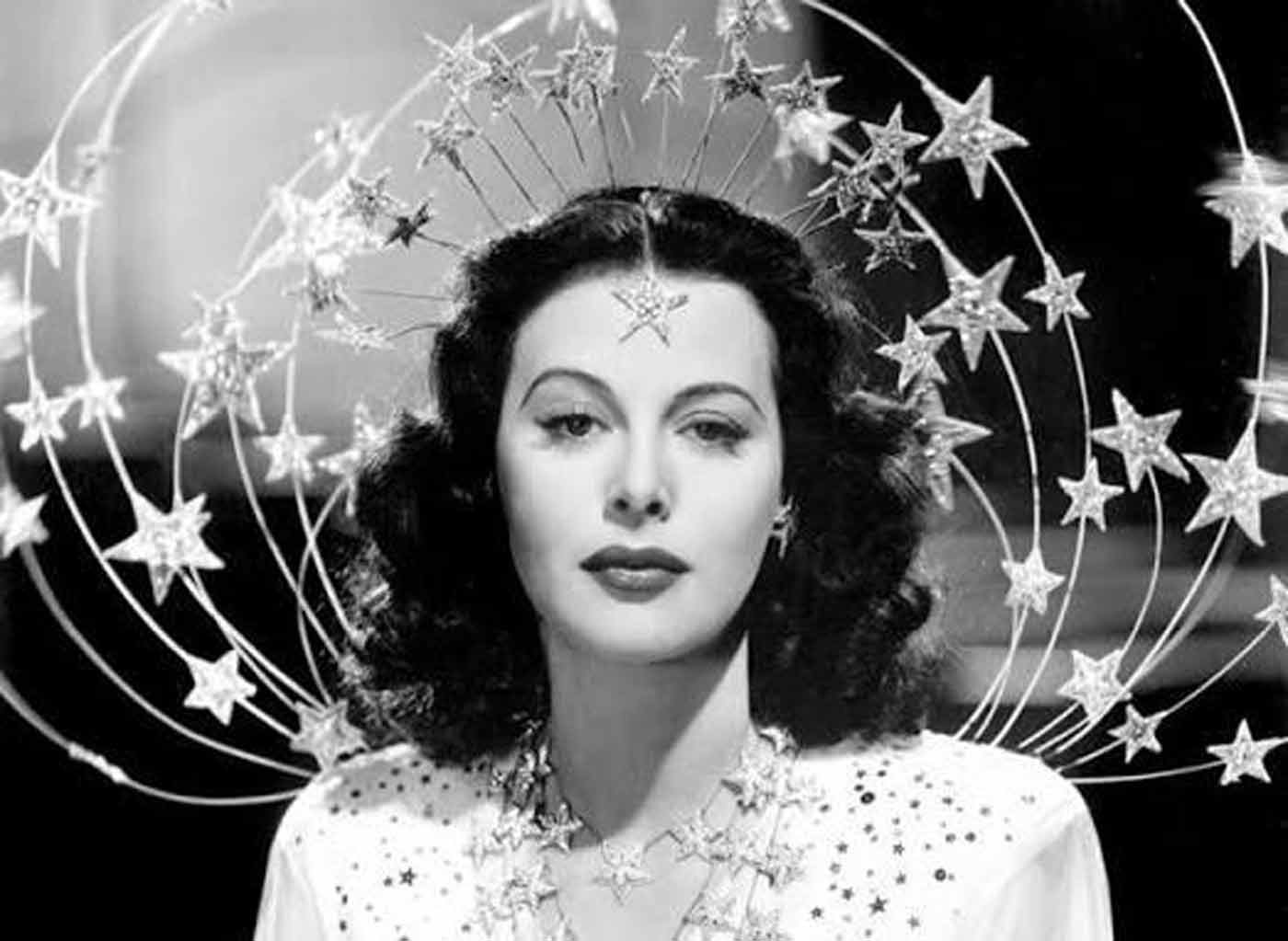
To the world, Hedy Lamarr was one of Hollywood’s most glamorous actresses. Few knew that she was also a brilliant inventor.
During World War II, Lamarr and composer George Antheil developed frequency-hopping spread spectrum technology, designed to prevent radio-guided torpedoes from being jammed by enemy forces. At the time, the U.S. Navy dismissed the invention and never implemented it during the war. Decades later, however, the same principle became the foundation for Wi-Fi, Bluetooth, GPS, and modern wireless communication.
For years, Lamarr was celebrated for her beauty while her scientific brilliance remained almost entirely ignored. Today, she is finally recognized as one of technology’s unexpected visionaries.
2. Jocelyn Bell Burnell — The Woman Who Discovered Pulsars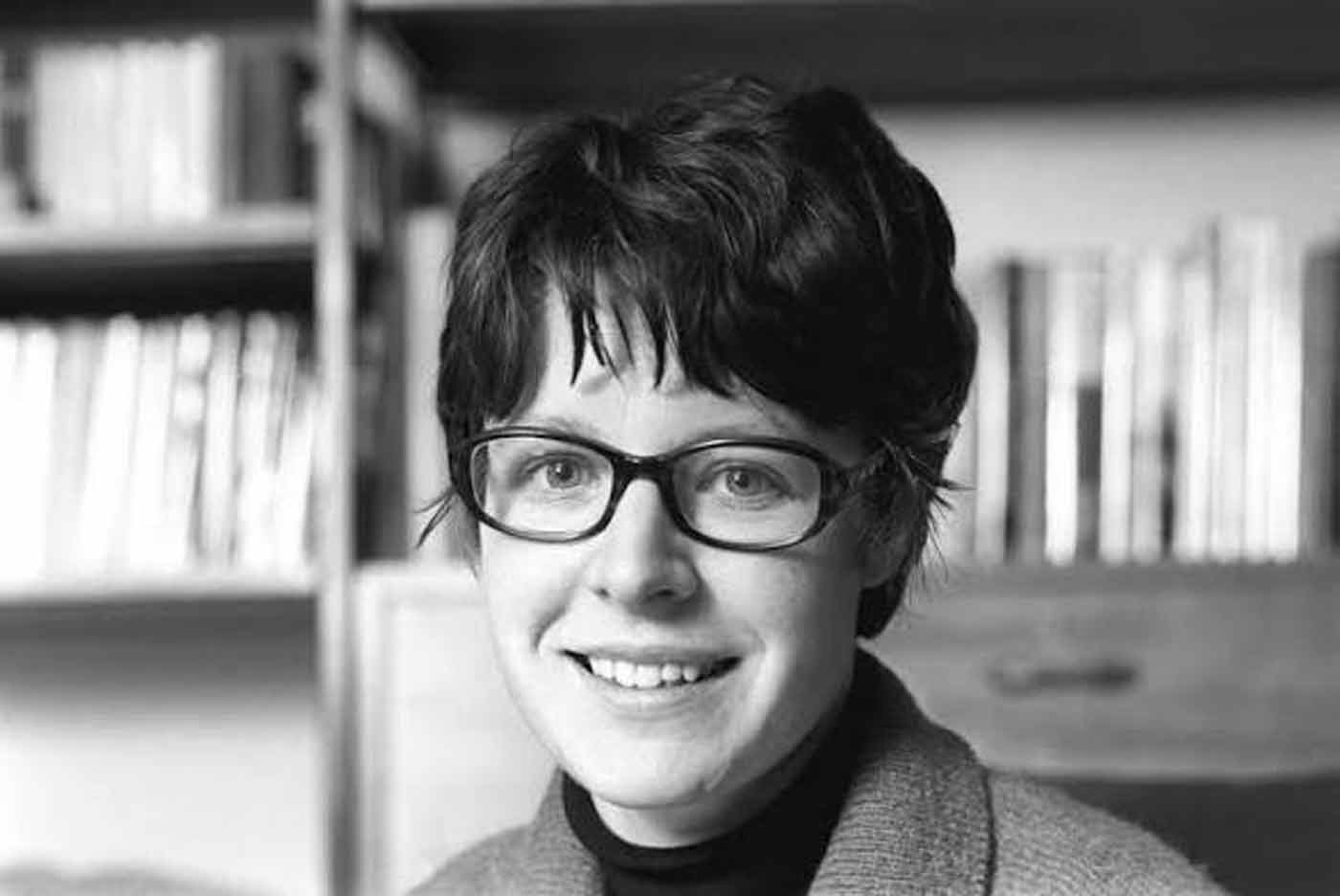
In 1967, while pursuing her PhD, Jocelyn Bell Burnell noticed an unusual pattern in radio telescope data that no one else had recognized. She had discovered pulsars, rapidly rotating neutron stars that revolutionized astrophysics.
The discovery fundamentally changed our understanding of the universe. Yet when the 1974 Nobel Prize in Physics was awarded, it went to her supervisor Antony Hewish and astronomer Martin Ryle. Bell Burnell, despite making the initial discovery herself, was excluded.
Rather than expressing bitterness, Bell Burnell has since become one of science’s strongest advocates for women and underrepresented communities in STEM, donating her own prestigious prize money to support future researchers.
3. Lise Meitner — The Physicist Behind Nuclear Fission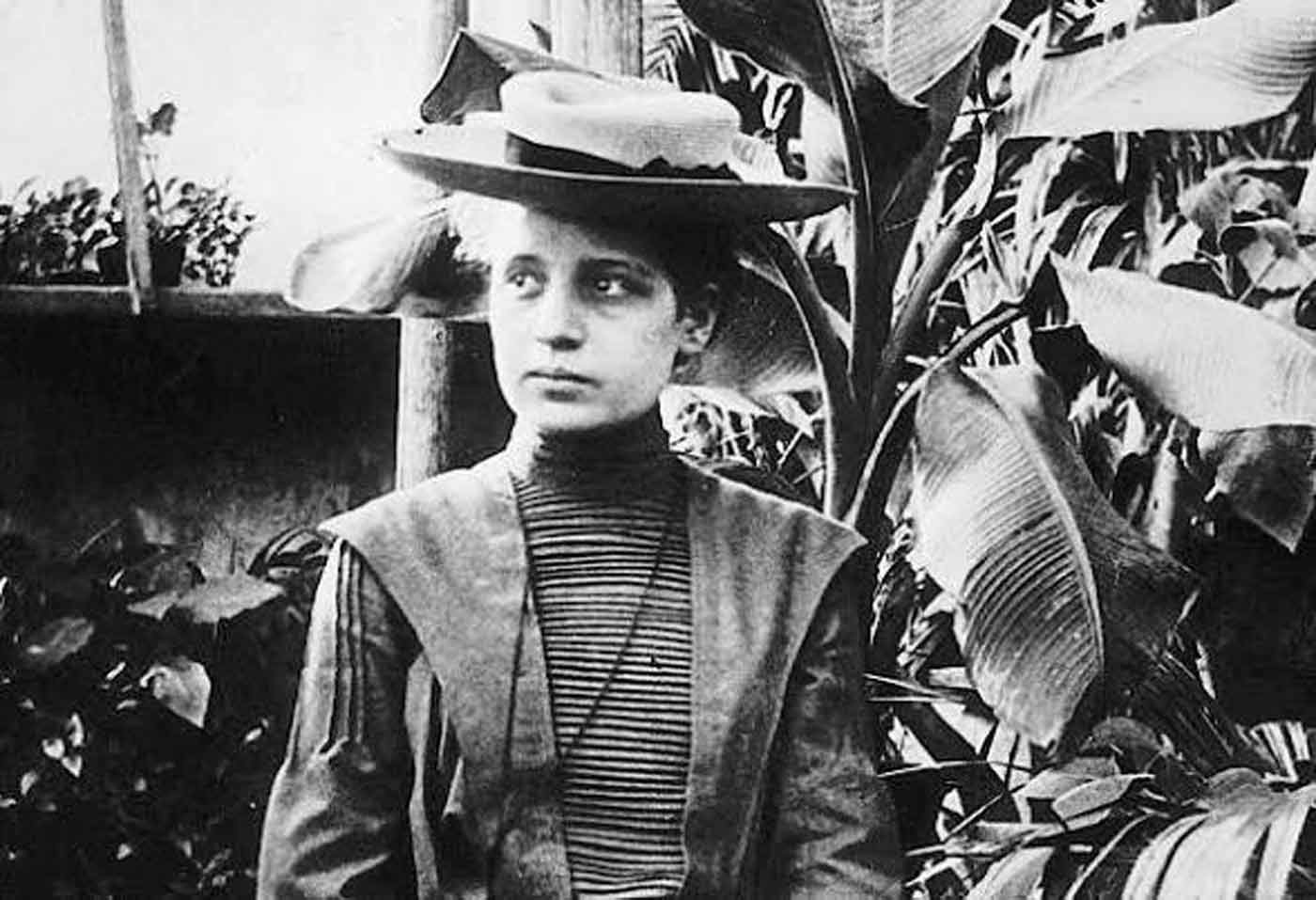
Few discoveries have changed modern science as profoundly as nuclear fission. Austrian physicist Lise Meitner, working alongside chemist Otto Hahn, provided the theoretical explanation for how an atom’s nucleus splits, releasing enormous amounts of energy.
Being Jewish, Meitner was forced to flee Nazi Germany in 1938, continuing her work in exile.
When Otto Hahn received the 1944 Nobel Prize in Chemistry, Meitner, whose theoretical interpretation made the discovery scientifically meaningful, was entirely overlooked. Albert Einstein later referred to her as the “German Marie Curie.”
Today, element Meitnerium (Mt) bears her name, recognizing the scientist’s history once ignored.
4. Rosalind Franklin — The Woman Who Revealed DNA’s Double Helix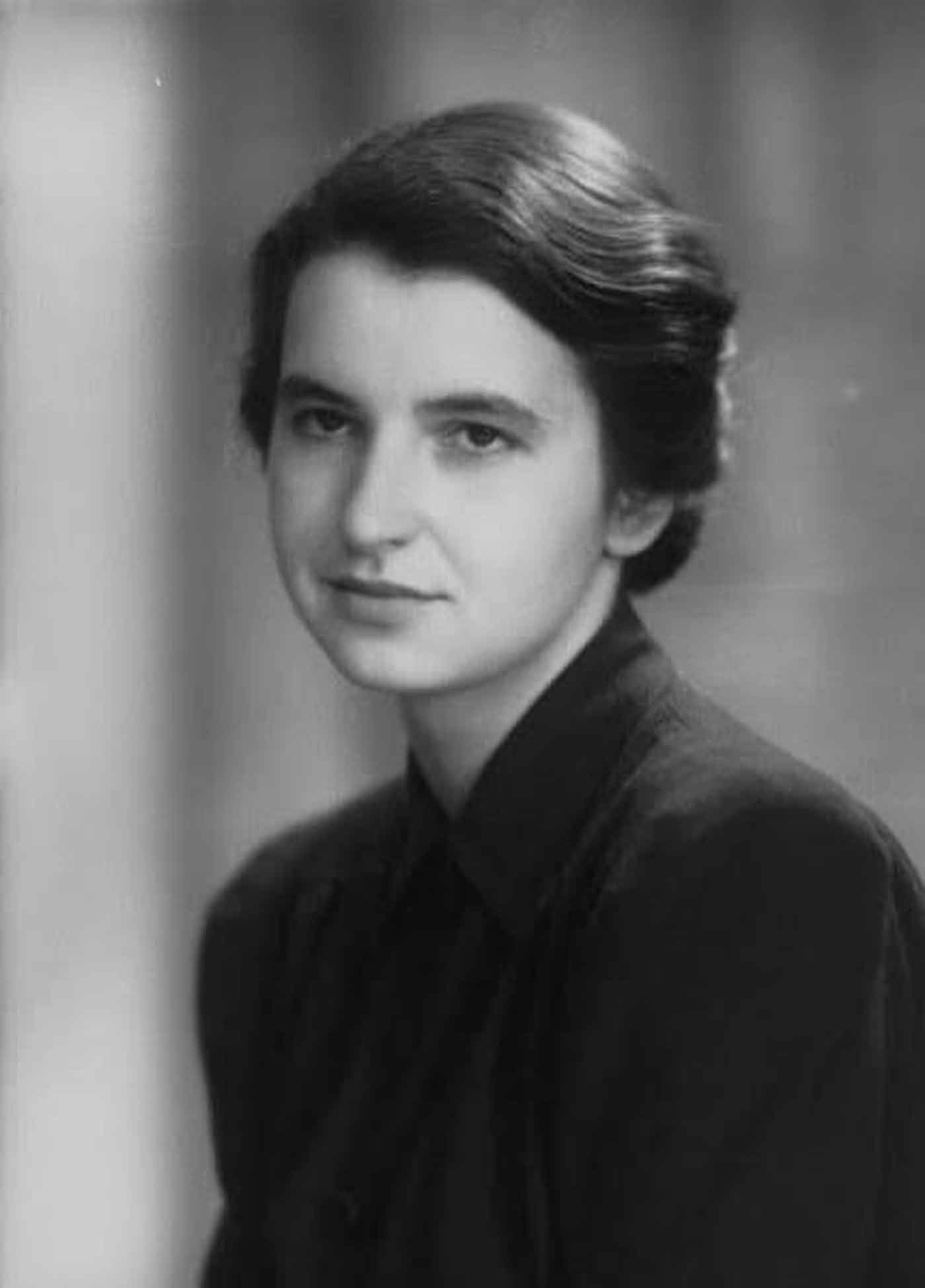
Modern genetics owes an immeasurable debt to Rosalind Franklin. Her famous Photograph 51, produced through X-ray crystallography, provided the crucial evidence revealing DNA’s double-helix structure.
Without her knowledge or permission, the image was shown to James Watson and Francis Crick, who used the information to build their model of DNA. In 1962, Watson, Crick, and Maurice Wilkins received the Nobel Prize.
Franklin had died four years earlier and never received the recognition many historians believe she deserved. Today, her work is regarded as one of the most important contributions in molecular biology.
5. Katherine Johnson — The Mathematician Who Sent America to Space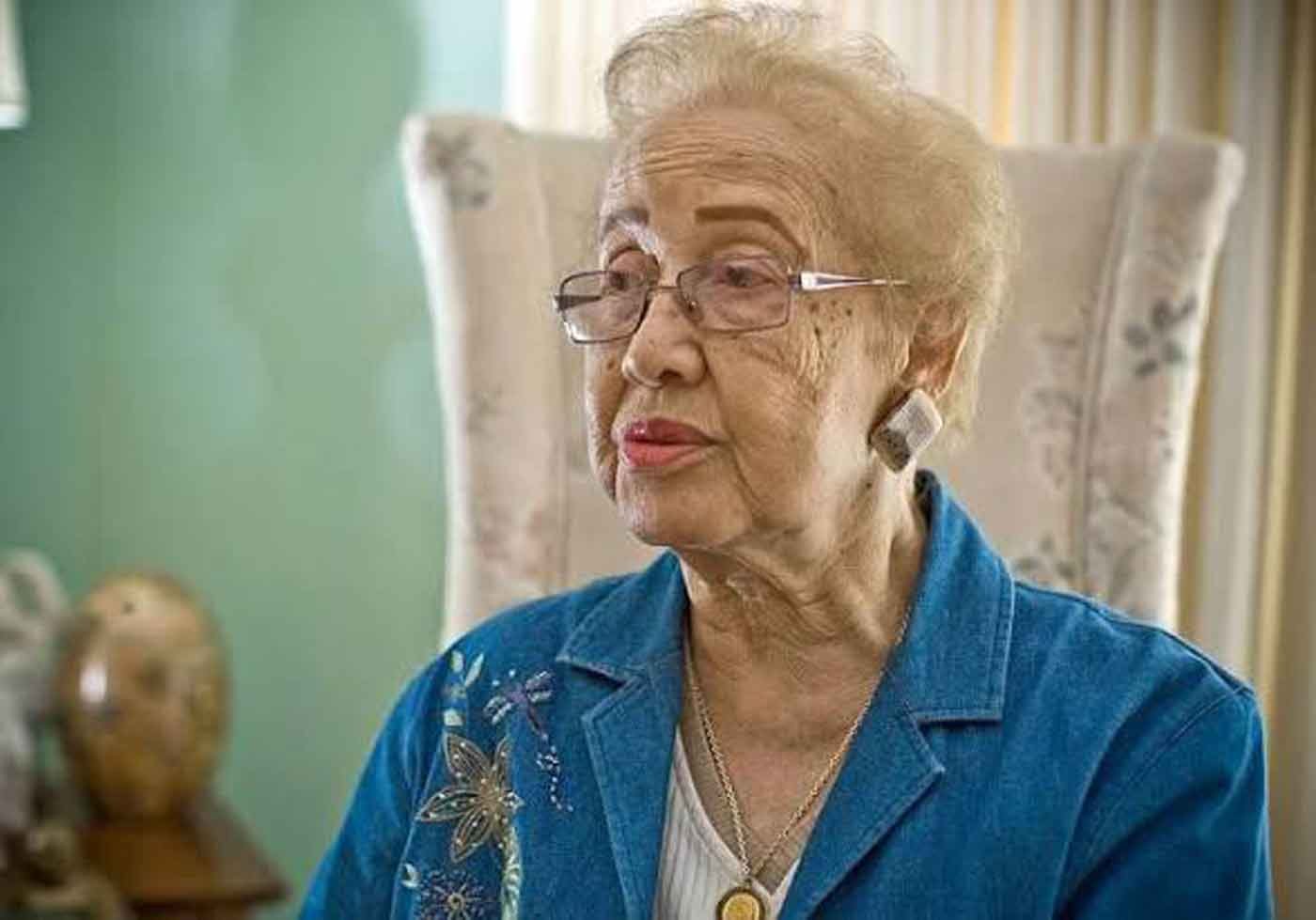
Before computers became reliable, NASA trusted one person above all others: Katherine Johnson.
Her extraordinary mathematical calculations determined orbital trajectories for America’s earliest space missions, including John Glenn’s historic orbital flight. When electronic computers produced their calculations, Glenn famously requested:
“Get the girl to check the numbers.”
Only after Johnson verified them did he agree to launch. Despite helping shape the Space Race, Johnson spent decades working in relative obscurity because she was both a woman and African American during segregation. Her story finally reached global audiences through the film Hidden Figures, ensuring that history could no longer overlook her contributions.
6. Alice Ball — The Young Chemist Who Changed Leprosy Treatment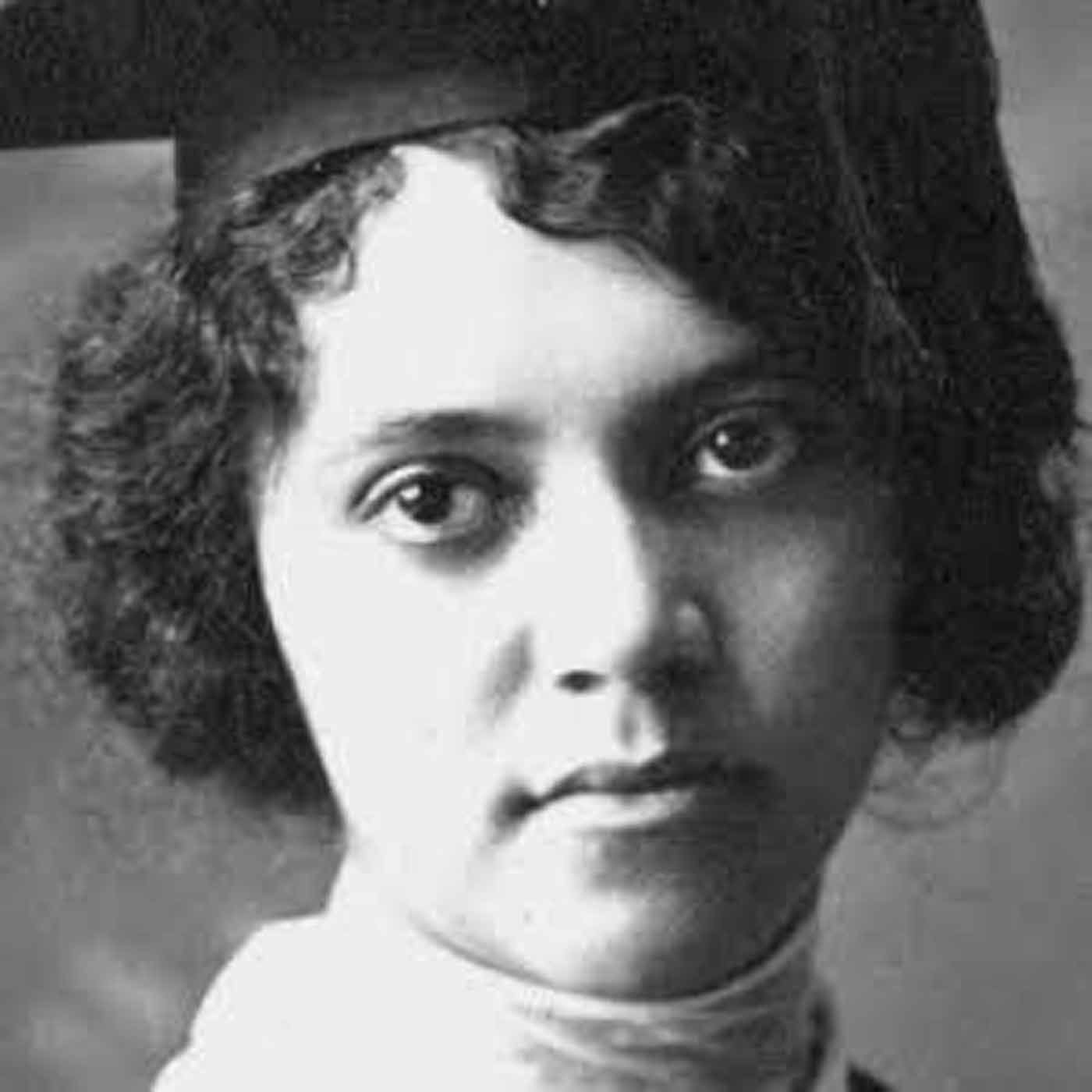
At just 23 years old, chemist Alice Ball developed the first effective injectable treatment for Hansen’s disease (leprosy). Known today as the Ball Method, her breakthrough dramatically improved treatment outcomes for thousands of patients.
Tragically, Ball died before her work could gain widespread recognition. A male colleague, Arthur Dean, later published and promoted her research under his own name, and for decades, Alice Ball’s pioneering work disappeared from scientific history.
Only many years later was the discovery restored to its rightful creator. Today, Alice Ball is celebrated as one of the most important Black women in the history of chemistry.
7. Ada Lovelace — The World’s First Computer Programmer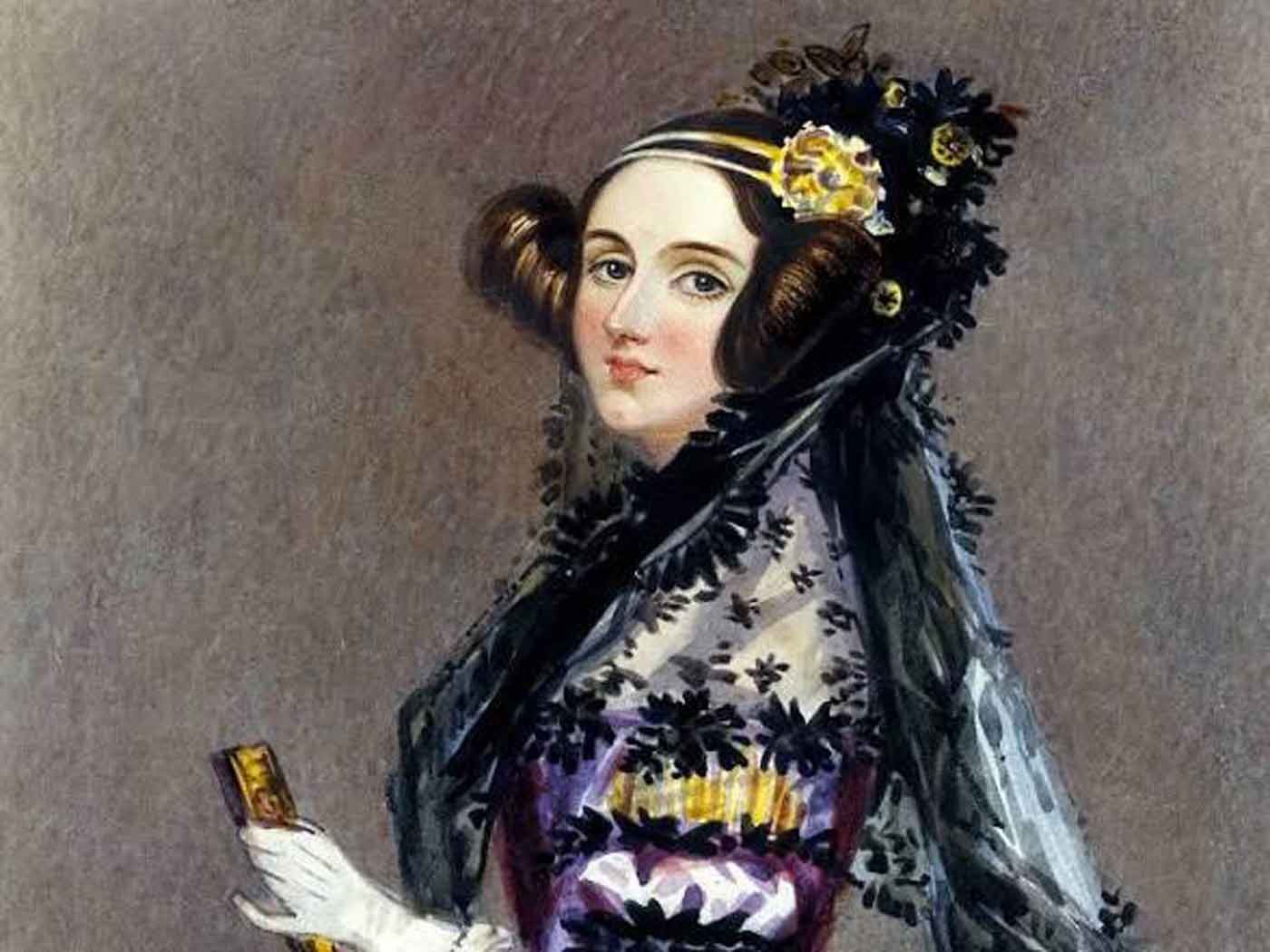
Long before computers existed, Ada Lovelace imagined what they could become. In 1843, while working on Charles Babbage’s proposed Analytical Engine, she wrote what is now considered the world’s first computer algorithm.
Remarkably, Lovelace understood that machines could process not only numbers but potentially music, symbols, and language, a vision that anticipated modern computing by more than a century.
For decades, historians questioned whether the work was truly hers, often attributing much of it to Babbage. Today, Ada Lovelace is recognized as the world’s first computer programmer and a visionary whose ideas laid the philosophical foundations of computer science.
History Deserves Better
These women were never lacking in intelligence, innovation, or courage. What they lacked was recognition. Their stories remind us that history is not always a complete record of who made discoveries, it is often a record of who was allowed to be remembered.
Correcting that record is not about diminishing the achievements of others. It is about ensuring that brilliance is acknowledged regardless of gender. Because progress has never belonged to men alone. It has always been built by women whose names deserve to stand alongside the discoveries that changed our world.