
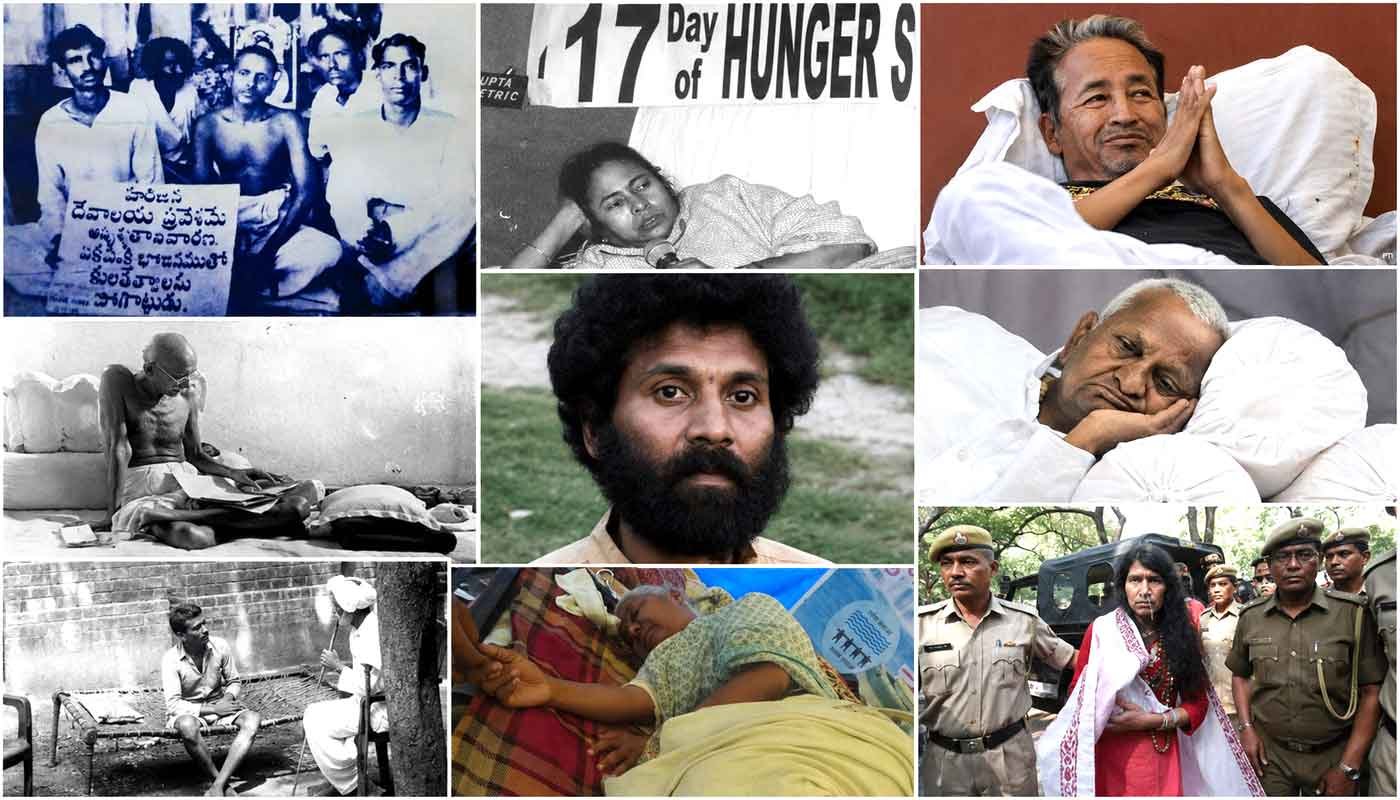
Throughout India’s history, hunger strikes have been among the most powerful forms of non-violent protest. They require no weapons, no violence, and no crowds, only an individual’s willingness to risk their own life for a cause they believe in. Some fasts forced governments to change course, some ended in heartbreaking tragedy, while others continue to test the conscience of the nation. Here are some of the hunger strikes that left an indelible mark on India’s political history.
Anna Hazare (2011): The Anti-Corruption Movement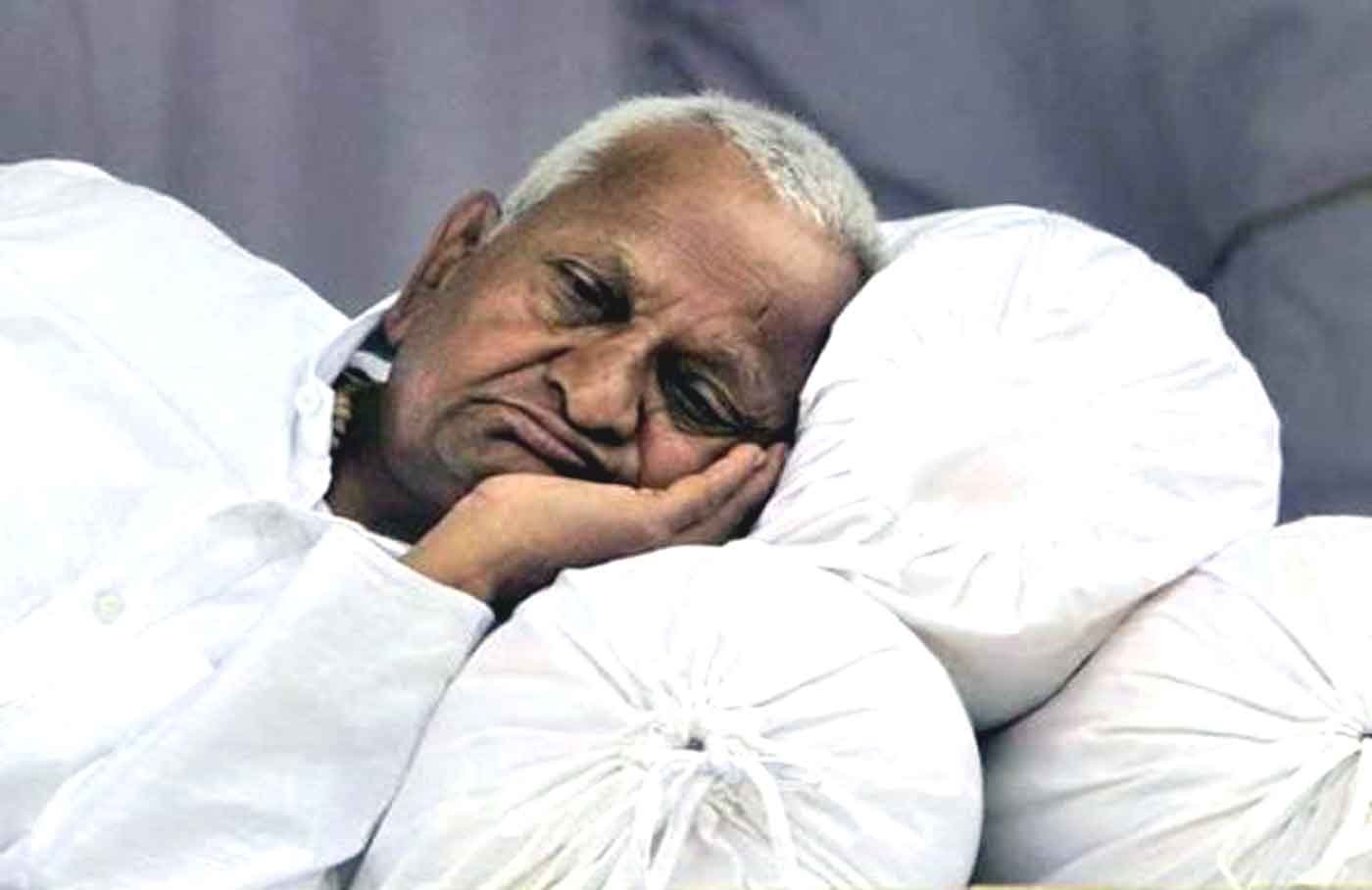
When social activist Anna Hazare began an indefinite hunger strike at Delhi’s Ramlila Maidan in August 2011, he transformed public anger over corruption into one of the largest citizen movements in independent India.
Demanding the implementation of the Jan Lokpal Bill, Hazare’s protest attracted millions of supporters across the country. Candlelight marches, student demonstrations, and nationwide campaigns placed enormous pressure on Parliament. Eventually, Parliament agreed in principle to key demands related to an independent anti-corruption ombudsman, after which Hazare ended his fast.
The movement permanently changed India’s political discourse and inspired a generation of anti-corruption activism.
Sonam Wangchuk (2026): Fighting for Students and Accountability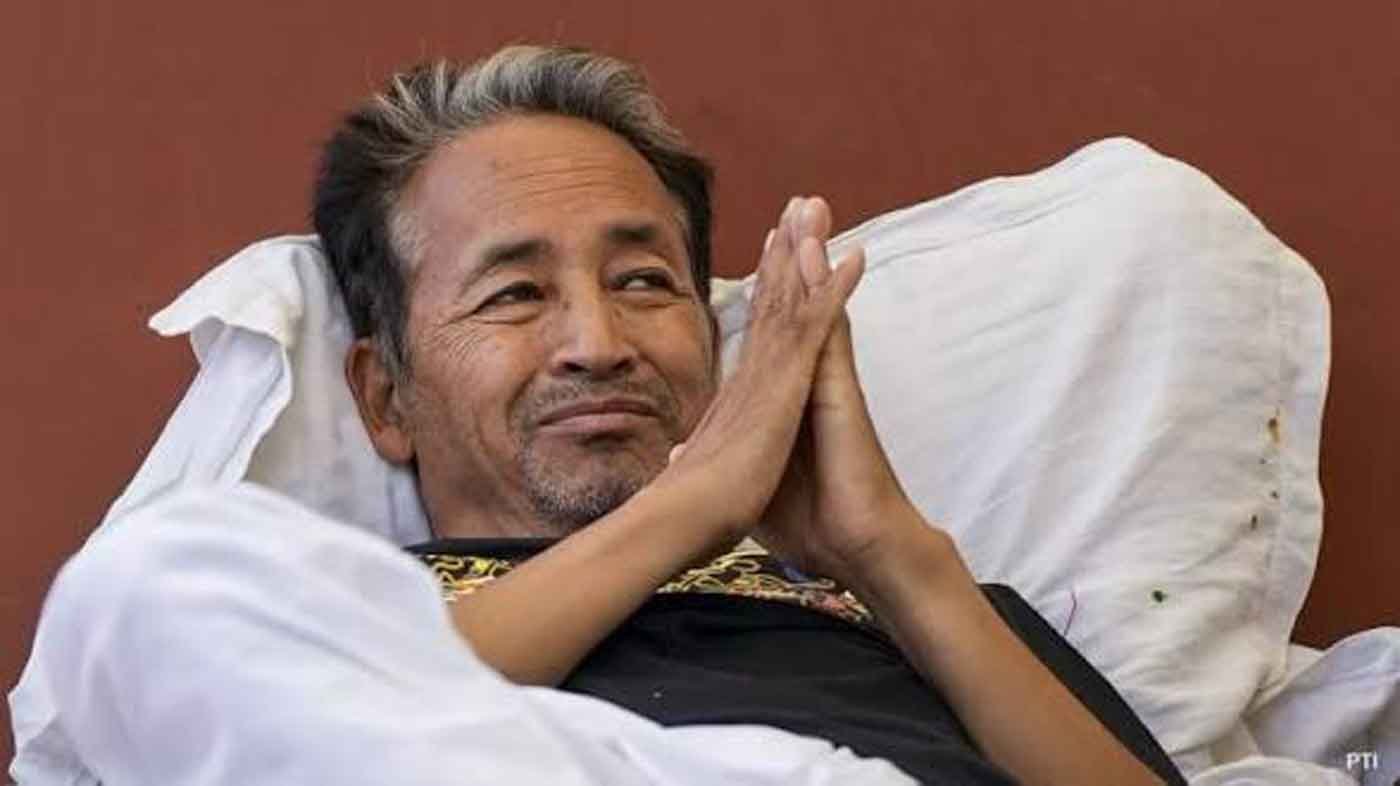
Education reformer Sonam Wangchuk is currently on an indefinite hunger strike demanding accountability over alleged irregularities in national entrance examinations and calling for the resignation of Union Education Minister Dharmendra Pradhan.
The protest follows widespread controversy surrounding examination leaks and cancellations that shook the confidence of lakhs of students across the country. By mid-July, doctors warned that Wangchuk had lost more than nine kilograms, cautioning that prolonged fasting could seriously endanger his health.
His fast has sparked nationwide debate on examination reforms, institutional accountability, and the future of India’s education system, with political leaders and public figures urging dialogue while students continue to rally behind him.
Medha Patkar (2006): The Narmada Bachao Andolan
Environmental activist Medha Patkar undertook a prolonged hunger strike against increasing the height of the Sardar Sarovar Dam, arguing that thousands of displaced families had not received proper rehabilitation.
Her protest reignited national conversations around development versus displacement, highlighting the human cost of large infrastructure projects. The fast concluded after intervention from the Supreme Court and assurances that rehabilitation issues would be reviewed.
Patkar’s movement remains one of India’s most significant struggles for environmental justice and the rights of displaced communities.
Mahatma Gandhi (1933): Fighting Untouchability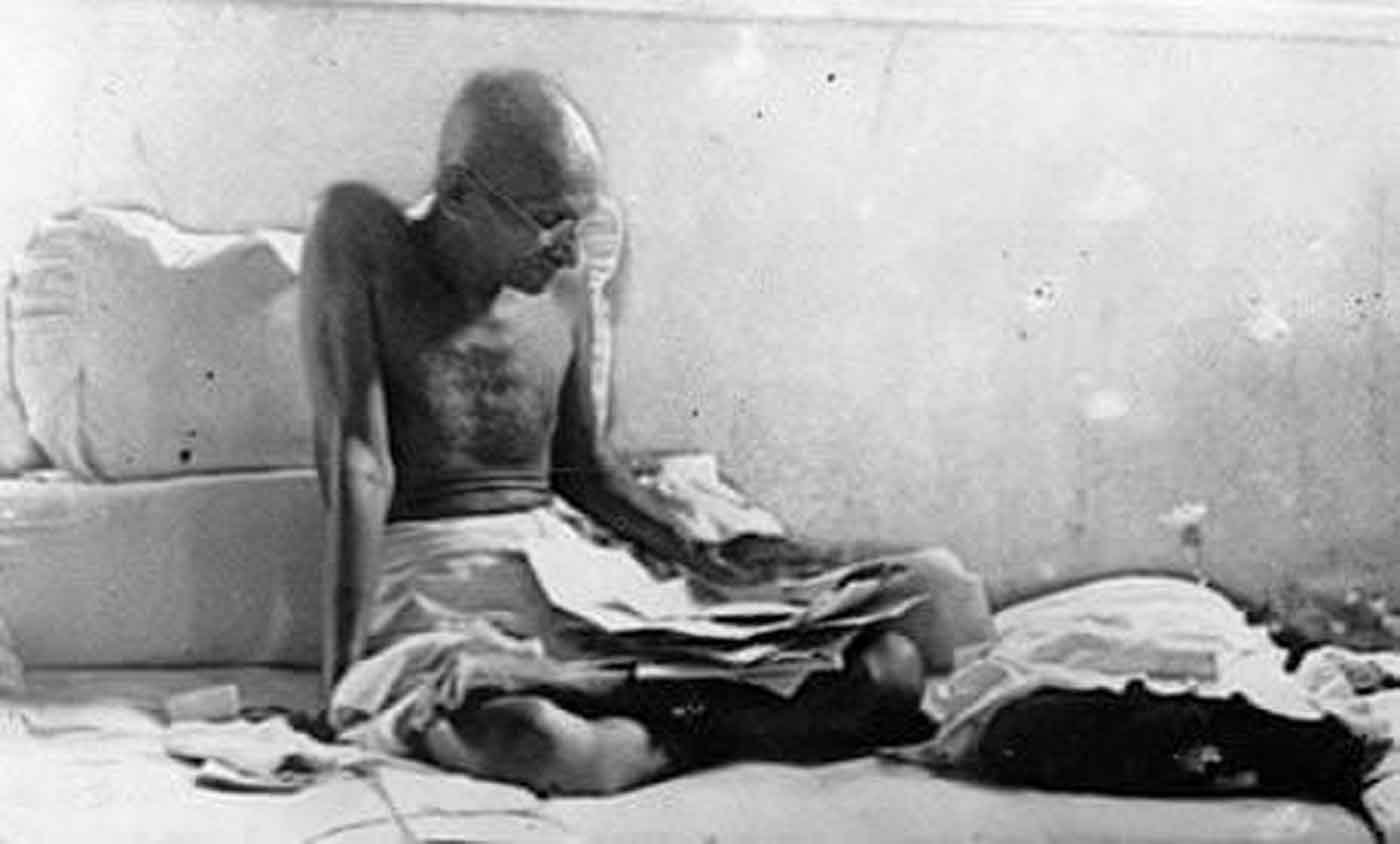
Among the many fasts undertaken by Mahatma Gandhi, his 21-day fast in 1933 focused on the upliftment of Dalits, whom he referred to as Harijans. Rather than targeting the British government directly, Gandhi used the fast as a moral appeal to Indian society itself, urging people to reject untouchability and caste discrimination.
The protest brought unprecedented national attention to social inequality and became a defining chapter in Gandhi’s campaign for social reform.
Mamata Banerjee (2006): The Singur Protest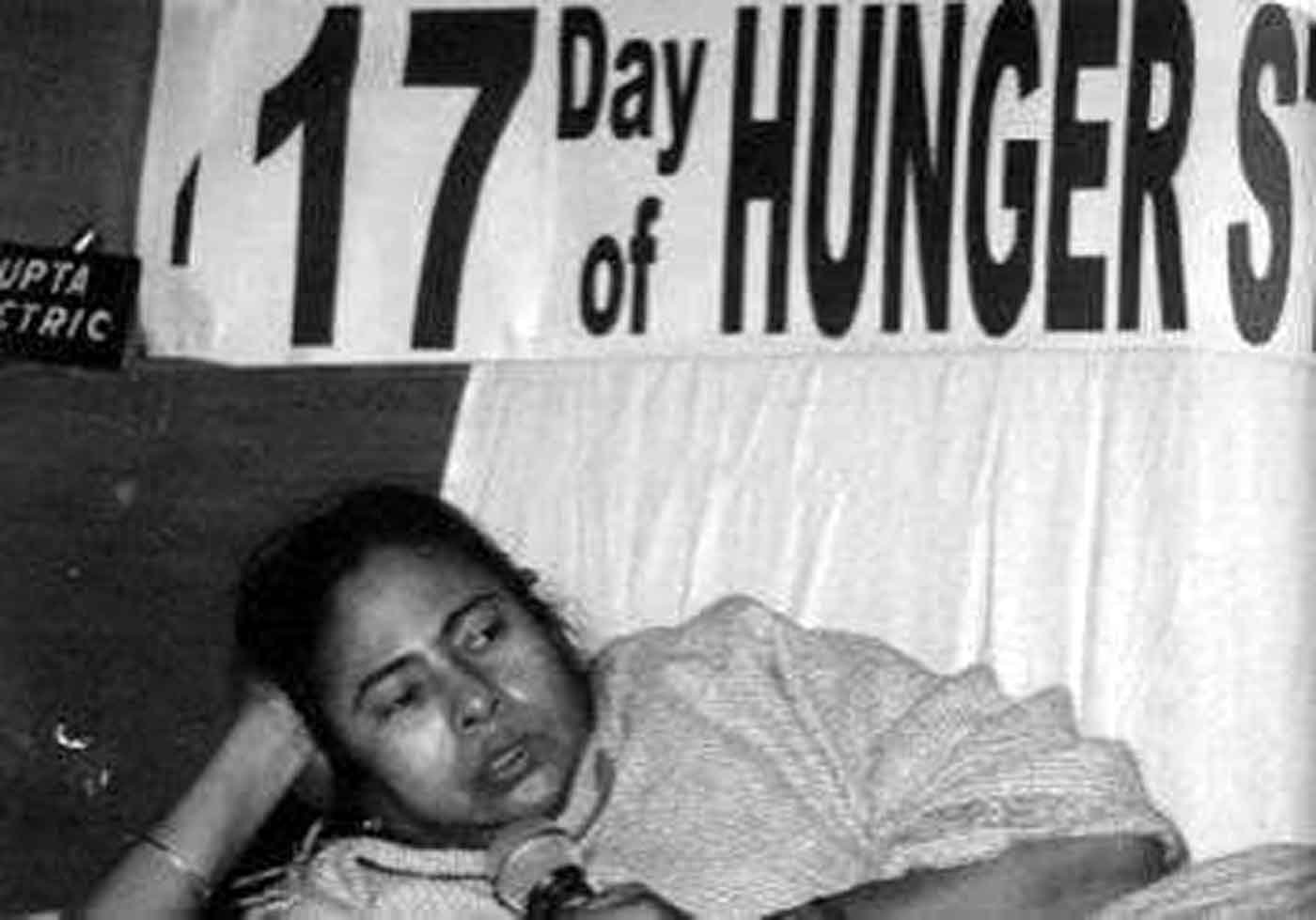
Before becoming West Bengal’s Chief Minister, Mamata Banerjee staged a 26-day hunger strike against the acquisition of farmland in Singur for the Tata Nano manufacturing project.
The protest became symbolic of farmers’ rights and land acquisition controversies. It significantly shifted West Bengal’s political landscape and played a crucial role in ending over three decades of Left Front rule in the state.
Potti Sriramulu (1952): The Fast That Created Andhra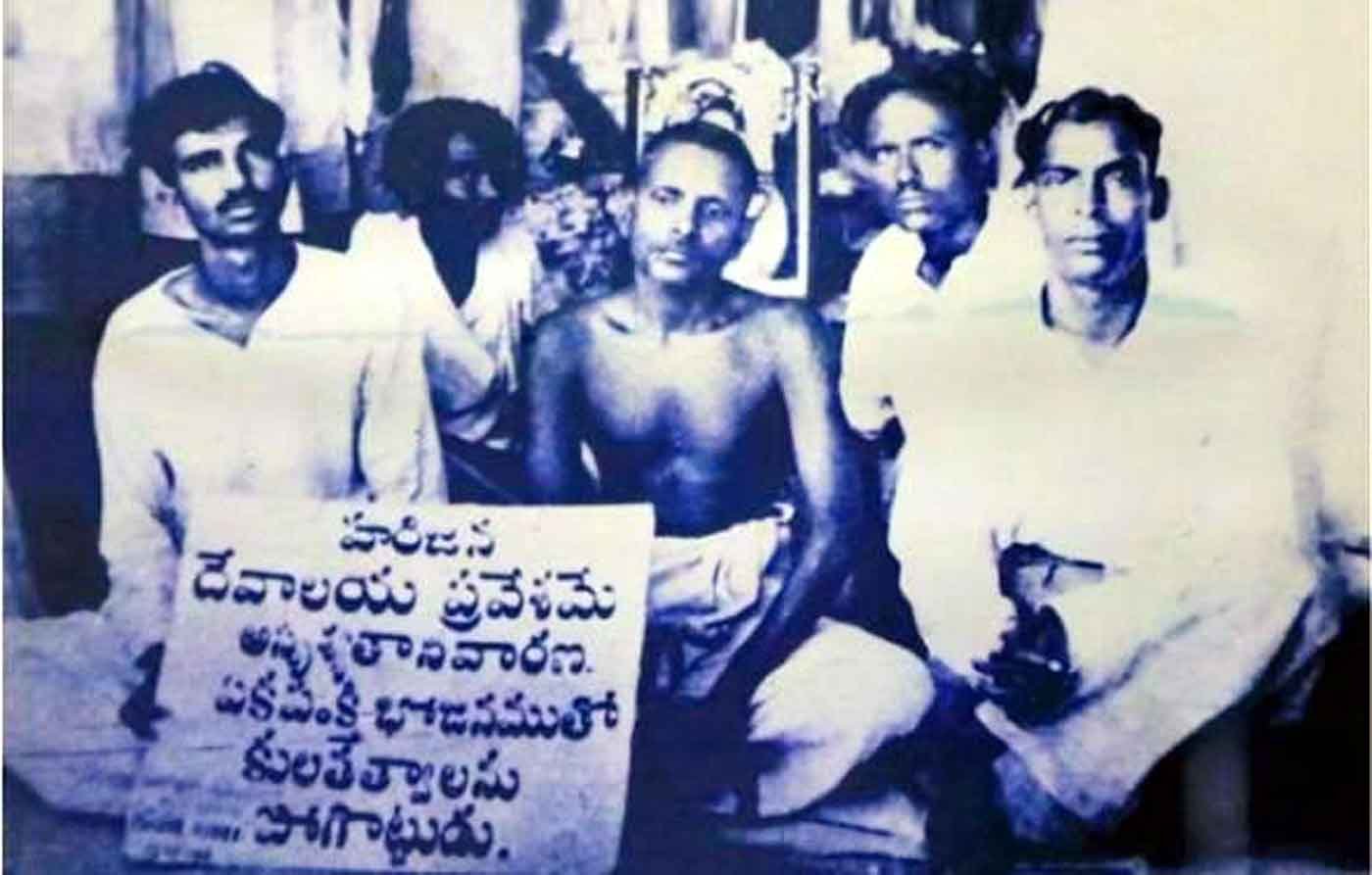
Perhaps no hunger strike altered India’s map as dramatically as Potti Sriramulu’s. Demanding a separate state for Telugu-speaking people, Sriramulu fasted for 58 days before dying in December 1952.
His death triggered massive public protests across the region, compelling the government to create Andhra State in 1953. The movement also paved the way for the States Reorganisation Act of 1956, through which Indian states were reorganized largely on linguistic lines.
His sacrifice fundamentally reshaped the political geography of modern India.
Swami Nigamananda (2011): Protecting the Ganga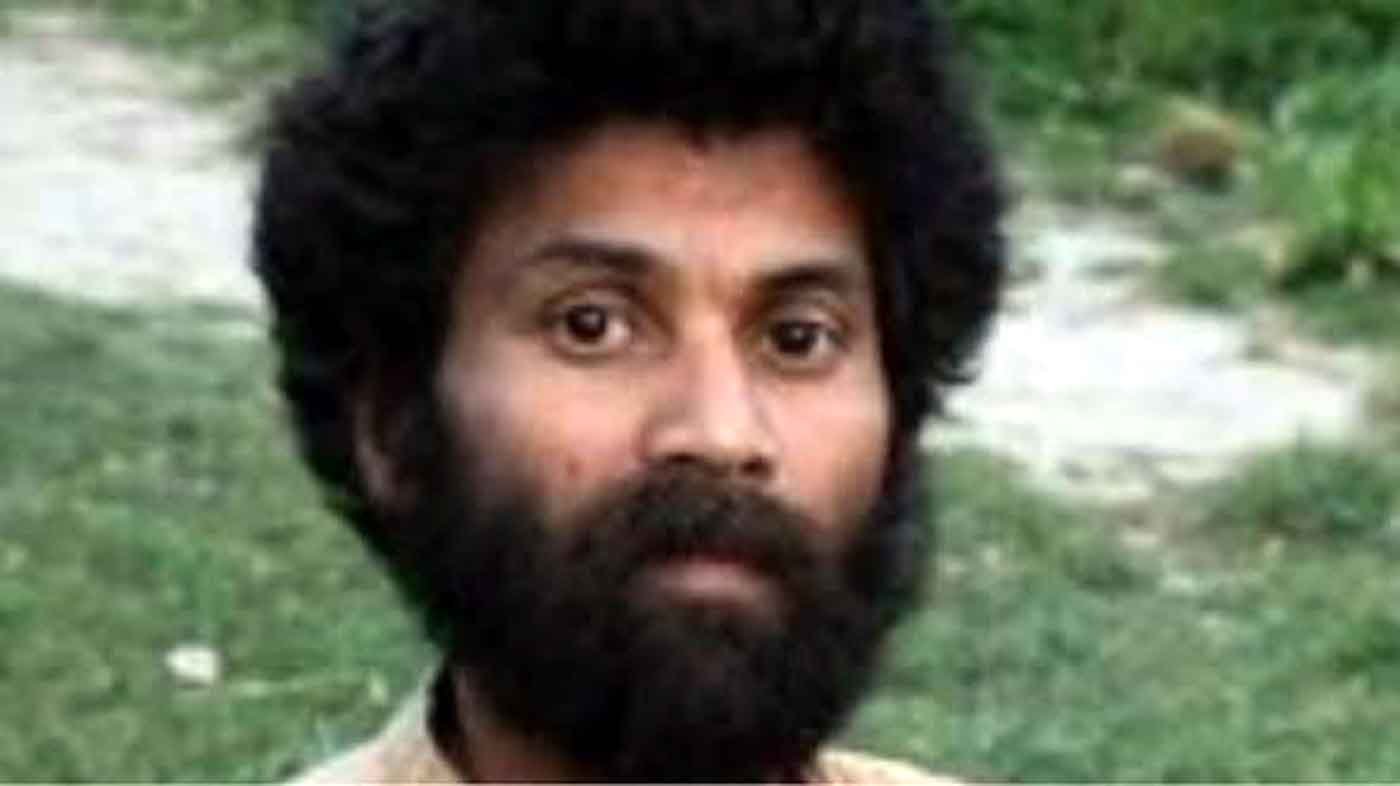
Environmental activist Swami Nigamananda fasted against illegal mining along the Ganga river near Haridwar. After 115 days without food, he died, drawing national attention to environmental degradation and illegal mining activities affecting one of India’s most sacred rivers.
Although his death sparked public outrage, it also intensified conversations surrounding ecological conservation and sustainable development.
Bhagat Singh (1929): Equality Behind Bars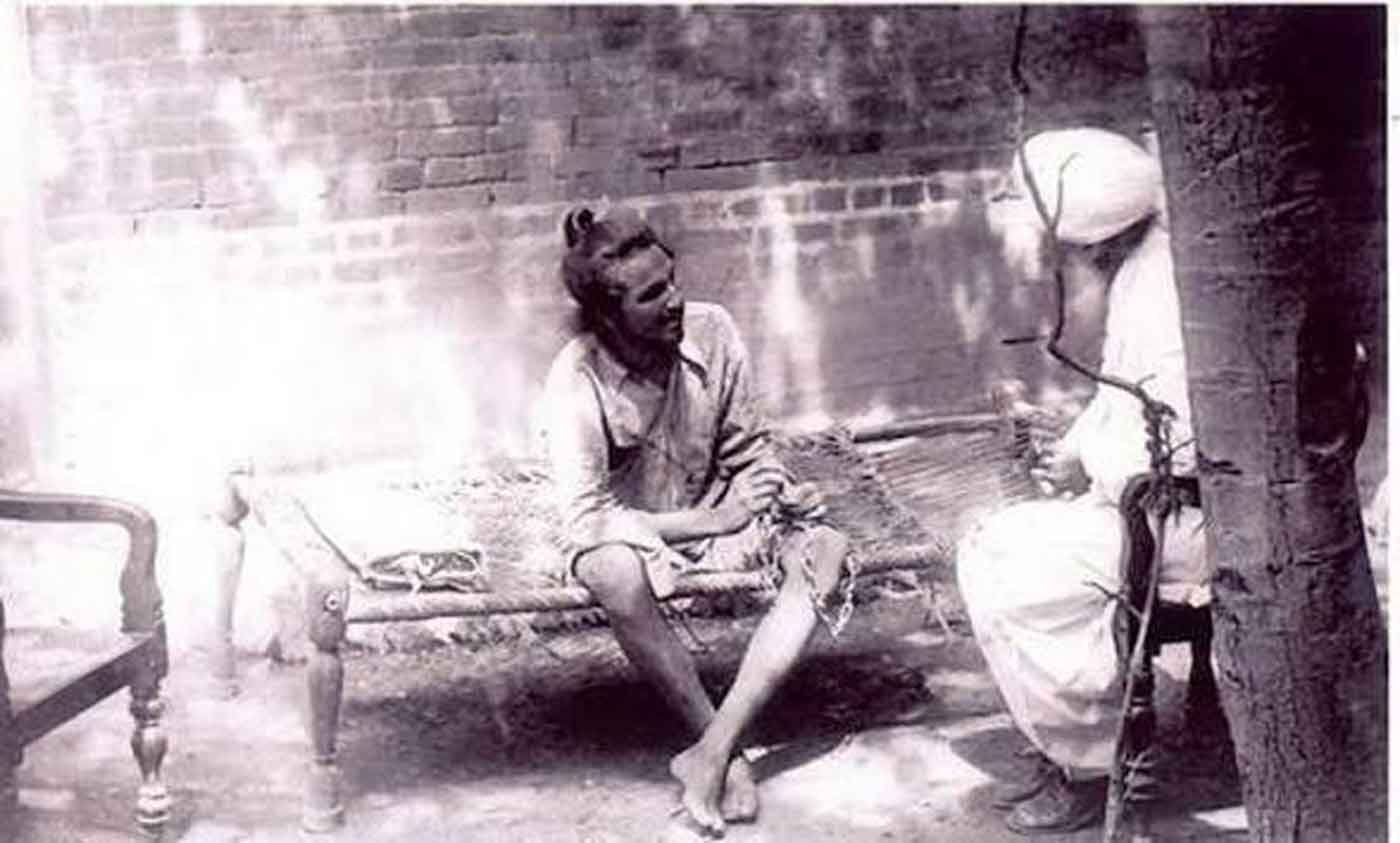
Revolutionary Bhagat Singh, along with fellow political prisoners, launched a historic hunger strike inside Lahore Central Jail. The protest demanded equal treatment for Indian prisoners, who faced far harsher conditions than their British counterparts despite being political detainees.
The strike lasted over two months. During the protest, revolutionary Jatin Das died after 63 days of fasting, becoming a martyr whose funeral drew hundreds of thousands of mourners. The hunger strike exposed the discriminatory treatment of Indian prisoners and strengthened support for the freedom movement.
Irom Sharmila (2000–2016): The World’s Longest Hunger Strike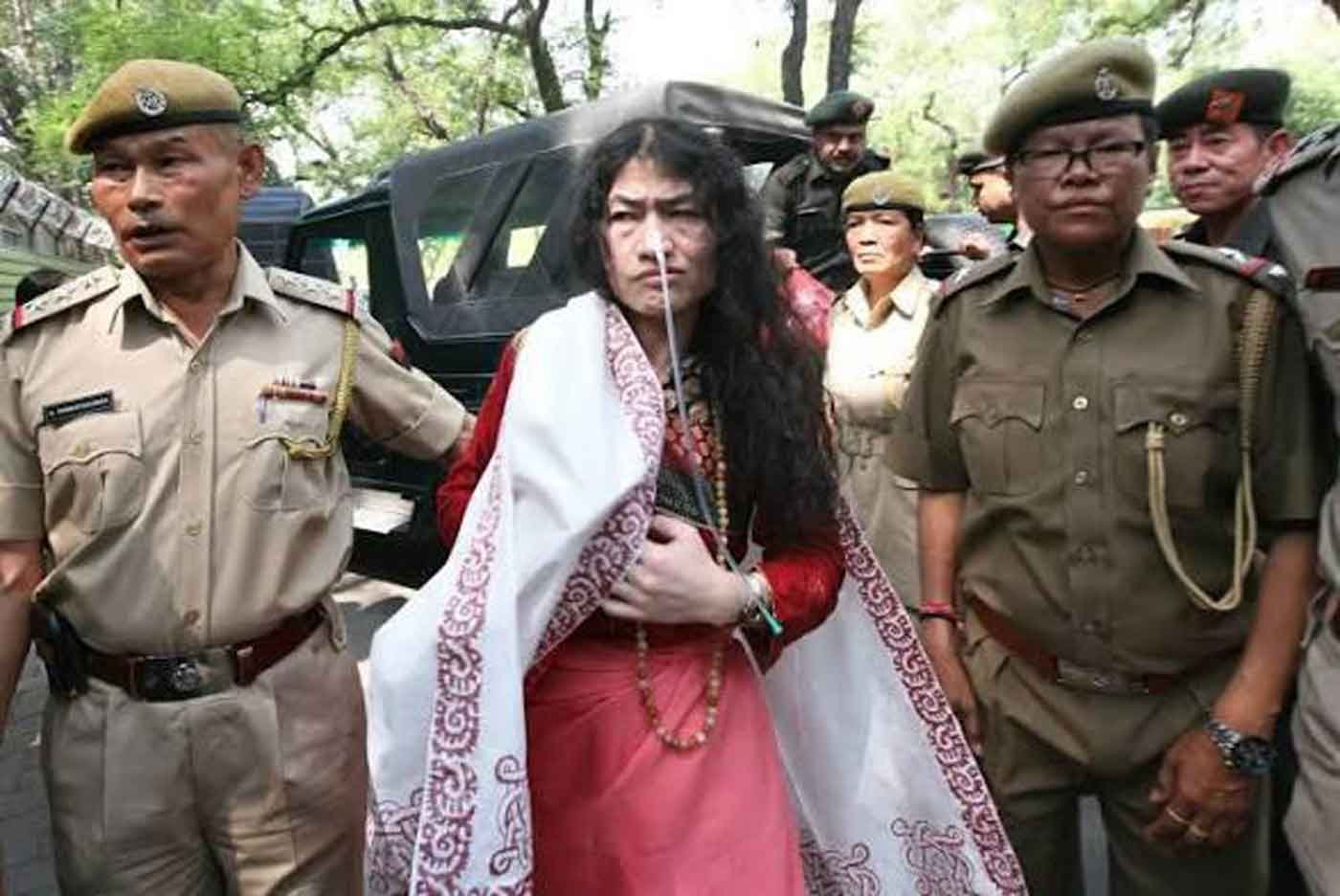
No discussion of hunger strikes is complete without Irom Sharmila, often called the Iron Lady of Manipur. Following the Malom massacre in 2000, she began a fast demanding the repeal of the Armed Forces (Special Powers) Act (AFSPA).
For nearly 16 years, she consumed no food voluntarily and was force-fed through a nasal tube while repeatedly being arrested on charges of attempting suicide.
Although AFSPA remained in place for much of her protest, Sharmila became an international symbol of peaceful resistance, human rights advocacy, and extraordinary personal sacrifice.
When Silence Speaks Loudest
From Gandhi’s struggle against untouchability to Potti Sriramulu’s fight for linguistic identity, from Anna Hazare’s anti-corruption movement to Sonam Wangchuk’s campaign for educational accountability, hunger strikes have repeatedly shaped India’s democratic journey.
Some changed laws. Some redrew state boundaries. Some transformed governments. Others ended in tragedy.
Yet each one served as a reminder that sometimes the most powerful protest is not raising one’s voice, but refusing to eat until the nation is forced to listen.