
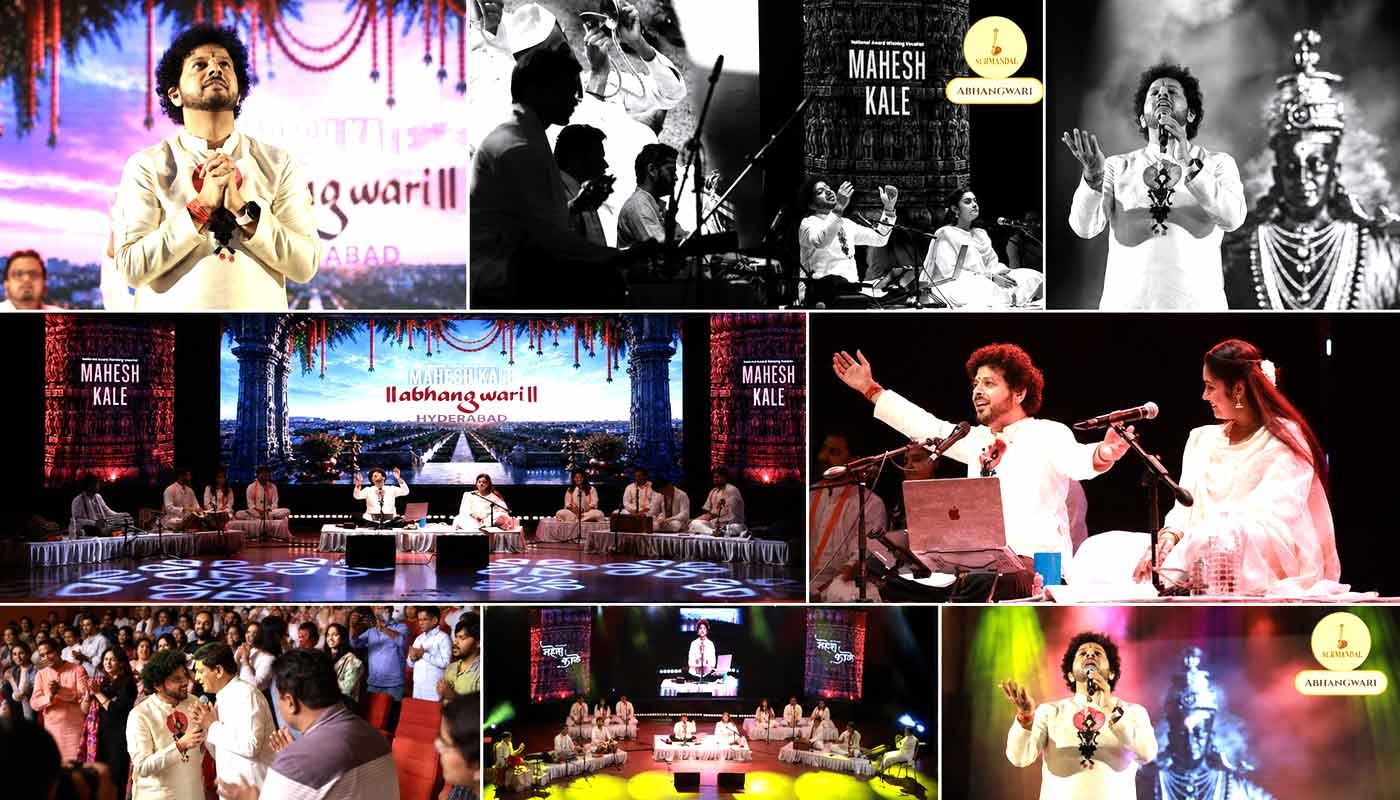
Mahesh Kale was in Hyderabad for Abhang Wari: The Uninterrupted Journey presented by Surmandal. It was an immersive journey through music, storytelling and the timeless spirit of the Warkari pilgrimage. An evening in an auditorium became a journey to Pandharpur—one that lingered long after the final chant of “Vitthala… Vitthala…” had faded writes AL Sharada
I recently attended Mahesh Kale’s concert Abhang Wari: The Uninterrupted Journey. It was much more than a musical performance. It was an immersive experience that left many of us deeply moved.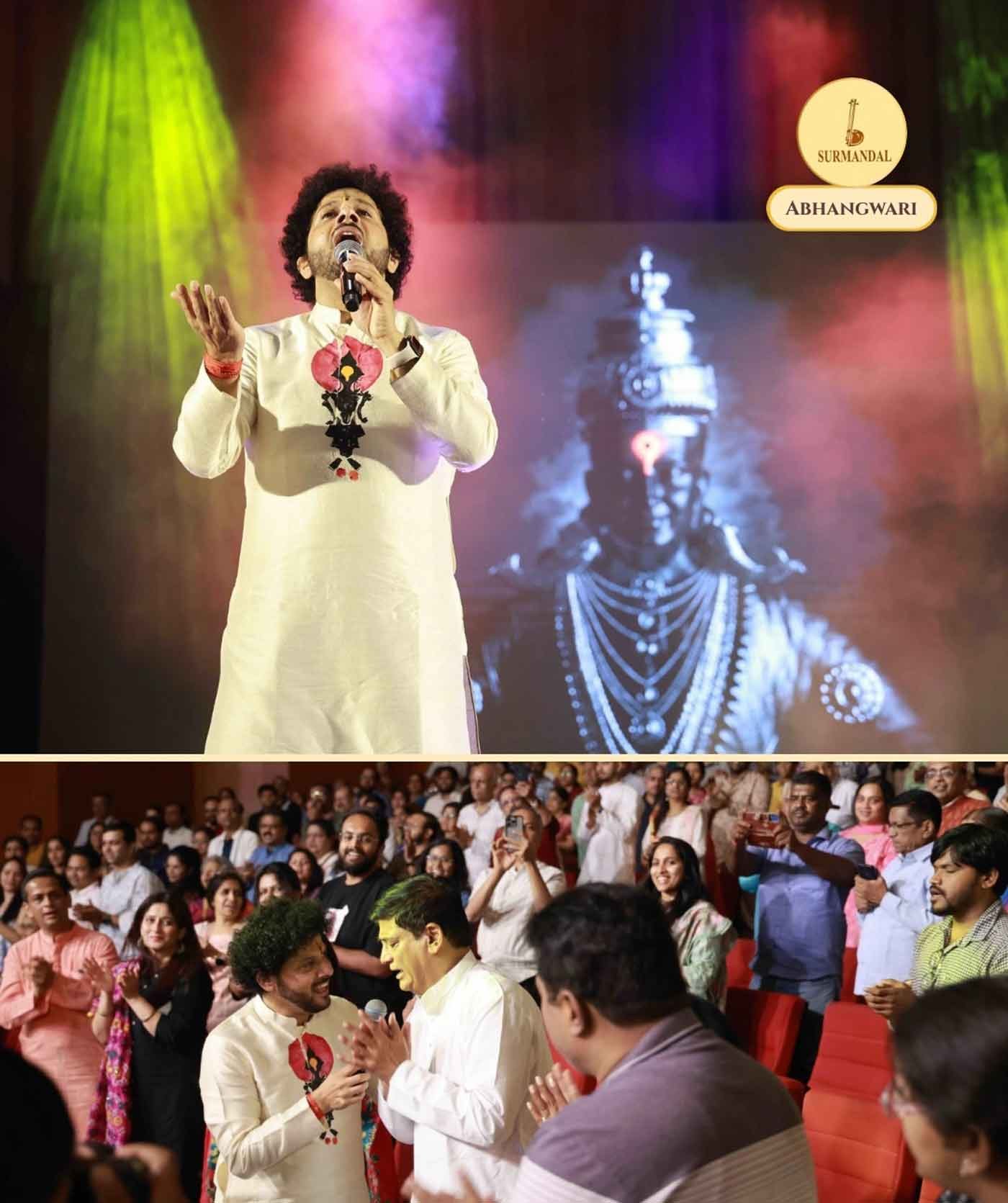
Mahesh Kale’s singing was extraordinary. The range, control and effortless ease with which he moved through the compositions were breathtaking. But what made the evening truly special was the way he carried the audience with him. More than a thousand people were not merely listening; we became participants in the journey.
The collective chanting of “Vitthala… Vitthala…” by the entire audience was almost cathartic. It was impossible not to be swept away by the emotion in the hall. Many of us found ourselves with tears streaming down our cheeks, overwhelmed by a feeling of devotion that is difficult to describe.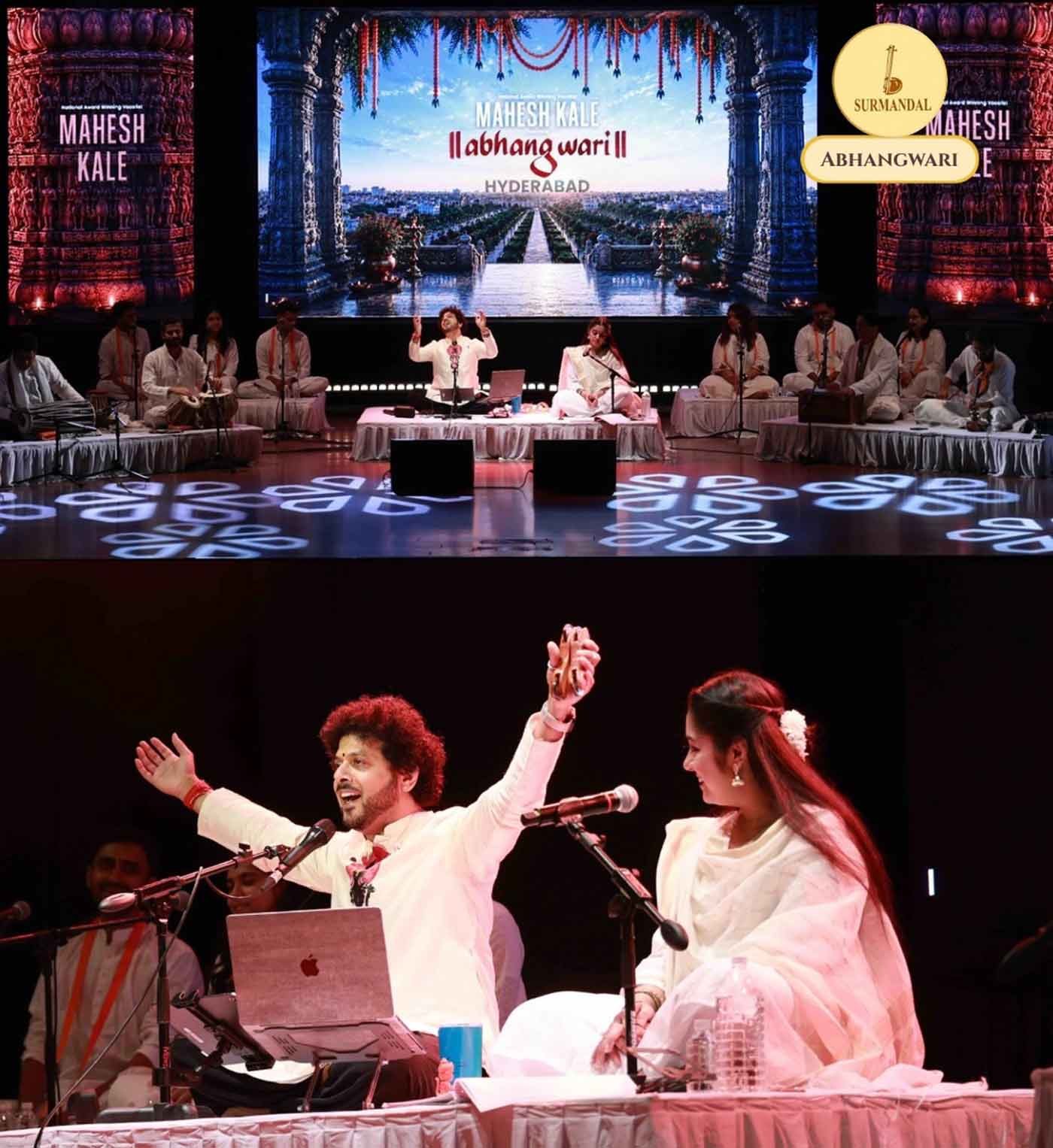
As is his signature style, the whole performance was woven into a story. He took us on the wari, the annual pilgrimage to Pandharpur, and every stage of the journey had a story and an abhang to go with it. The stories were interesting, the descriptions of the journey and the people so authentic that one almost felt like a fellow pilgrim walking alongside the Warkaris.
One story was about a man who stopped at a distance from his village to look back at his home. The message was simple. Sometimes we need to stand away from ourselves to understand who we really are.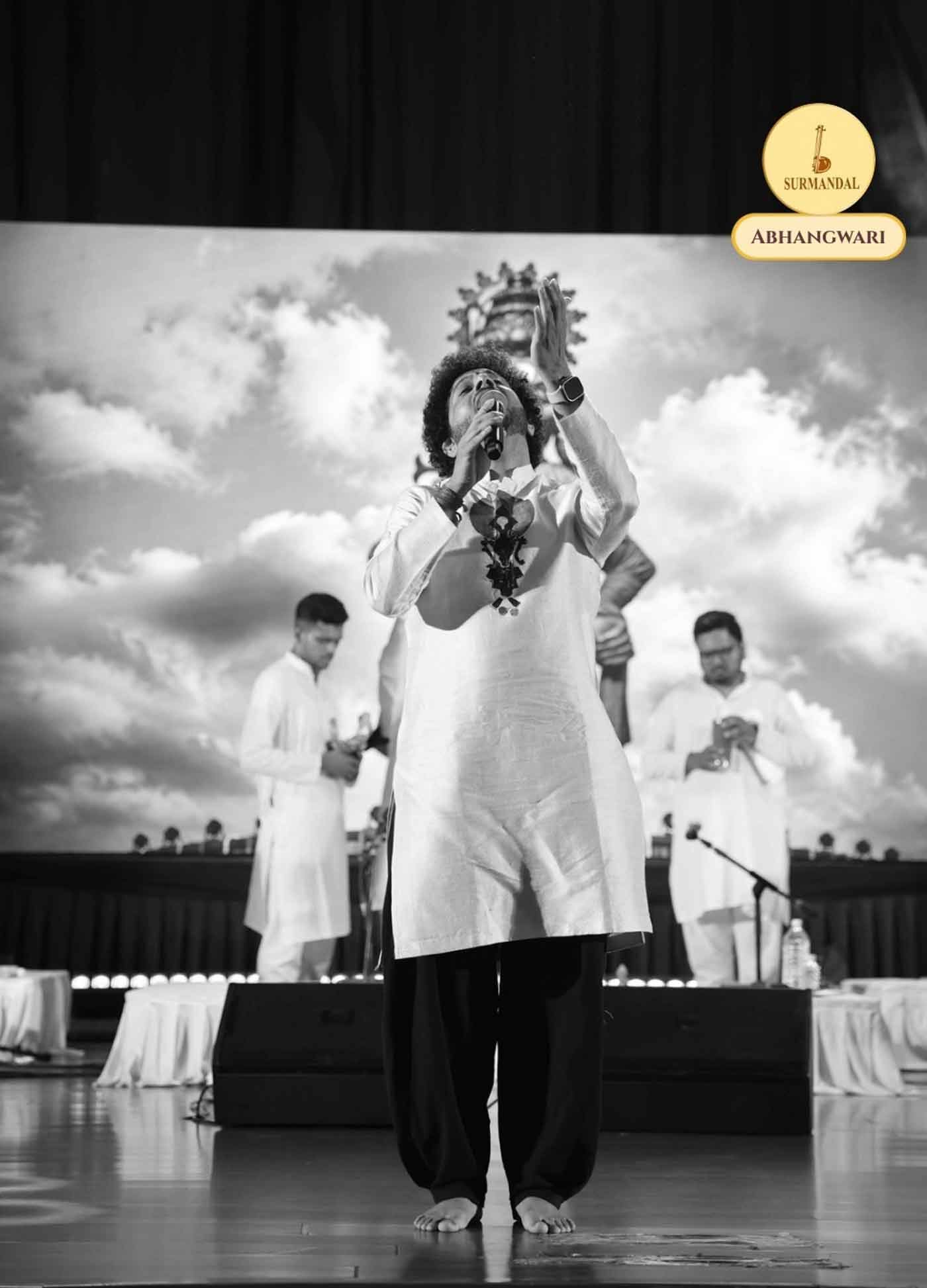
Another was about a young man who joined the pilgrimage not because he wanted anything at the end of it, but simply to experience the beauty of the journey. Once again, the message was clear. The path of bhakti is an end in itself and not a means to something else.
The story that stayed with me the most was of a young man watching his mother dance with complete abandon during the pilgrimage. He says that no holiday destination, however beautiful, could ever give him the joy of watching his mother immersed in devotion. Once again, the message was clear. The beauty and bliss of losing oneself in the ocean of bhakti cannot be compared with any material pleasure.
The cutest story was that of Bhakta Ramdas, who undertook the journey to Pandharpur in search of Rama. Standing before the idol of Vitthala, he could actually see Rama despite all the obvious differences. There was no Sita beside Him, no bow and arrows in His hands, and no Sarayu flowing nearby. For a true devotee, the form did not matter. This was followed by a deeply moving rendition of a composition that brought many of us to tears.
Then there was the story of the malishwala, whose religion did not stop him from becoming a part of the pilgrimage, and the little boy who was fascinated by horse racing. Together they painted such an authentic picture of the sea of humanity moving towards the divine. The beautiful black-and-white photographs in the background added to the aura of the evening. Each one of us felt we were a part of the journey.
The last story captured the essence of the wari. A woman who lived in Pandharpur left her home to join the Warkaris and walk back to Pandharpur with them. The message was simple. Just because you live close to God does not mean you are close to Him. You still have to undertake the journey of inner transformation to experience oneness with God.
What beautiful stories.What beautiful messages What a performance. I had never expected anything like this and I was completely overwhelmed.
Even if you don’t know the language, music has a way of reaching you. But I really wish the backdrop had carried translations of the lyrics. It would have helped many of us appreciate the depth of the poetry even more.
For two hours I was completely lost in an ocean of devotion. It was an immersive experience that I will remember for a very long time.
I had gone to a concert. I came back from a pilgrimage.
(The writer is a sociologist and media advocacy specialist & Director, Population First)