

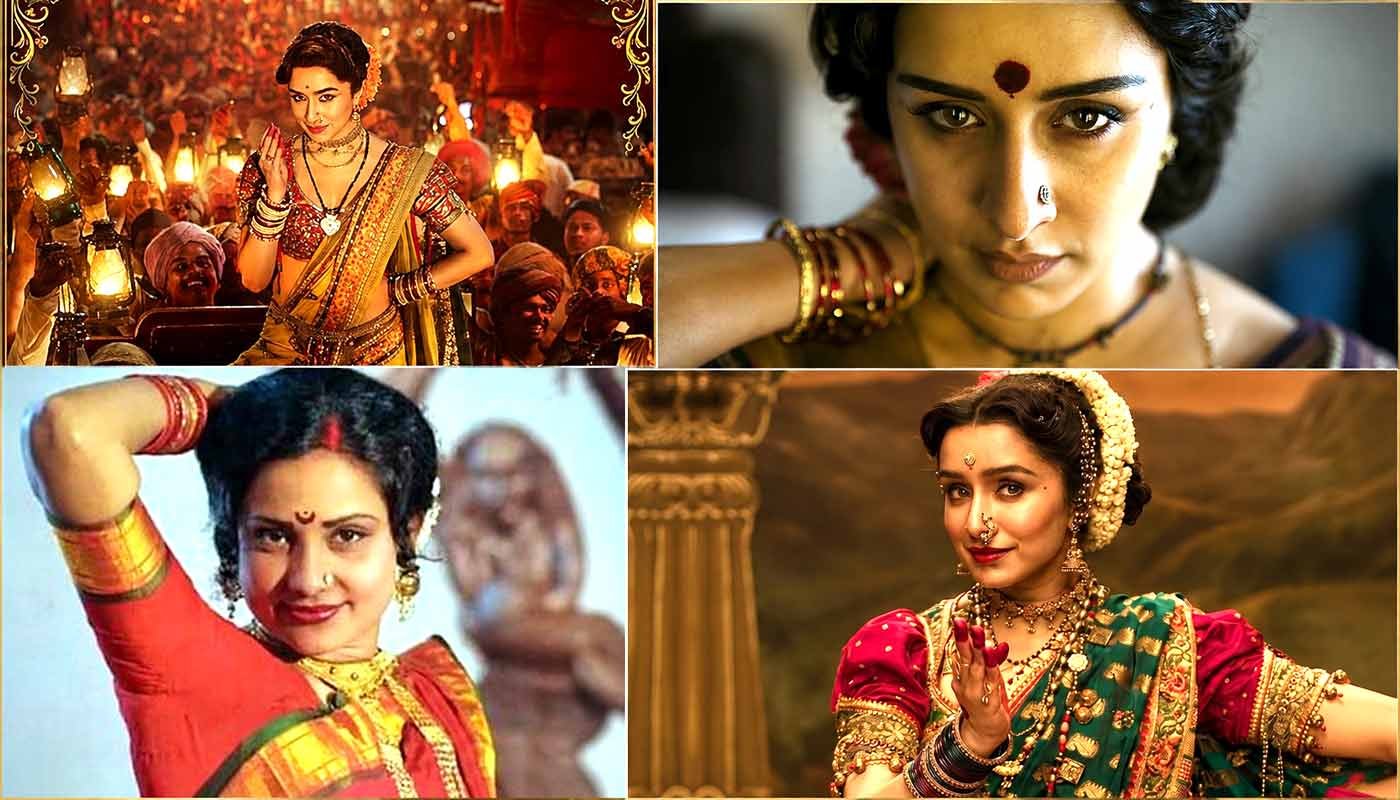
When the teaser of Shraddha Kapoor’s upcoming film Eetha dropped the one scene left audiences stunned. A heavily pregnant Lavani performer walks backstage, delivers her baby and returns to the stage to finish her performance.
As unbelievable as it sounds, that moment isn’t cinematic exaggeration.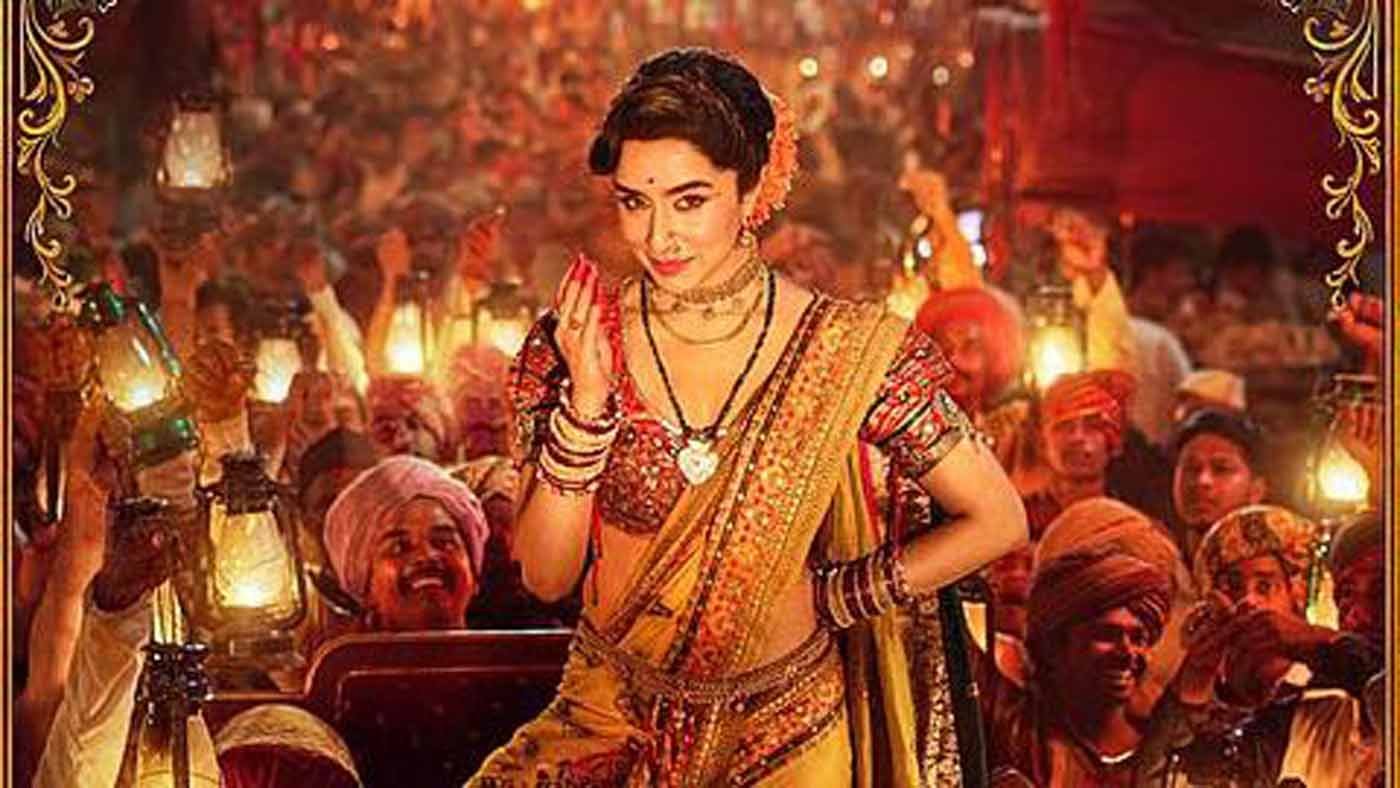
It is inspired by the real life of Vithabai Bhau Mang Narayangaonkar, one of Maharashtra’s greatest folk artists and the legendary “Tamasha Queen.”
Born into a family of Tamasha performers, Vithabai was introduced to the stage when she was still a child. At a time when female folk performers were often looked down upon and denied dignity, she transformed Lavani and Tamasha into celebrated art forms through sheer talent, charisma, and resilience. Her electrifying performances earned her admiration across Maharashtra, where thousands would gather just to watch her command the stage.
Perhaps the most astonishing story from her life, and the one recreated in Eetha, is the day she reportedly went into labour while performing. According to accounts of her life, Vithabai gave birth backstage during a performance and, after ensuring her newborn was safe, returned to complete the show. That extraordinary dedication became folklore in Maharashtra and remains one of the most iconic stories associated with Indian performing arts.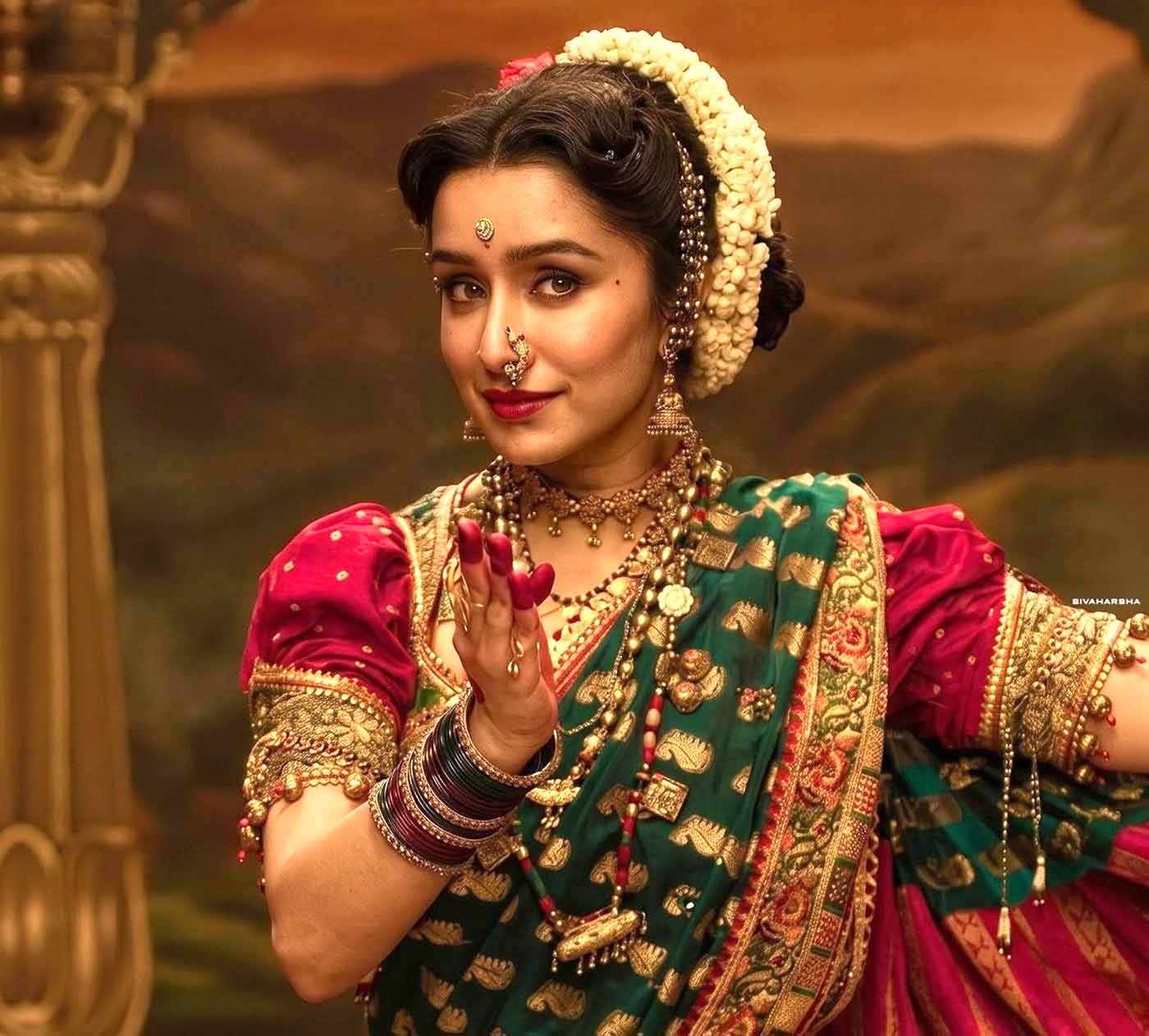
Yet, despite becoming one of the most recognised faces of Lavani, fame did not translate into financial security. Vithabai spent much of her later life battling economic hardship. She received numerous honours for preserving Maharashtra’s folk traditions, but unlike many performers of her era, she chose to remain loyal to Tamasha instead of pursuing a career in mainstream cinema. It was a decision that reflected her unwavering commitment to the art form she loved, even if it came at a personal cost.
Today, she is remembered not only as a performer but as a cultural icon who elevated folk theatre and inspired generations of women artists to take pride in their heritage.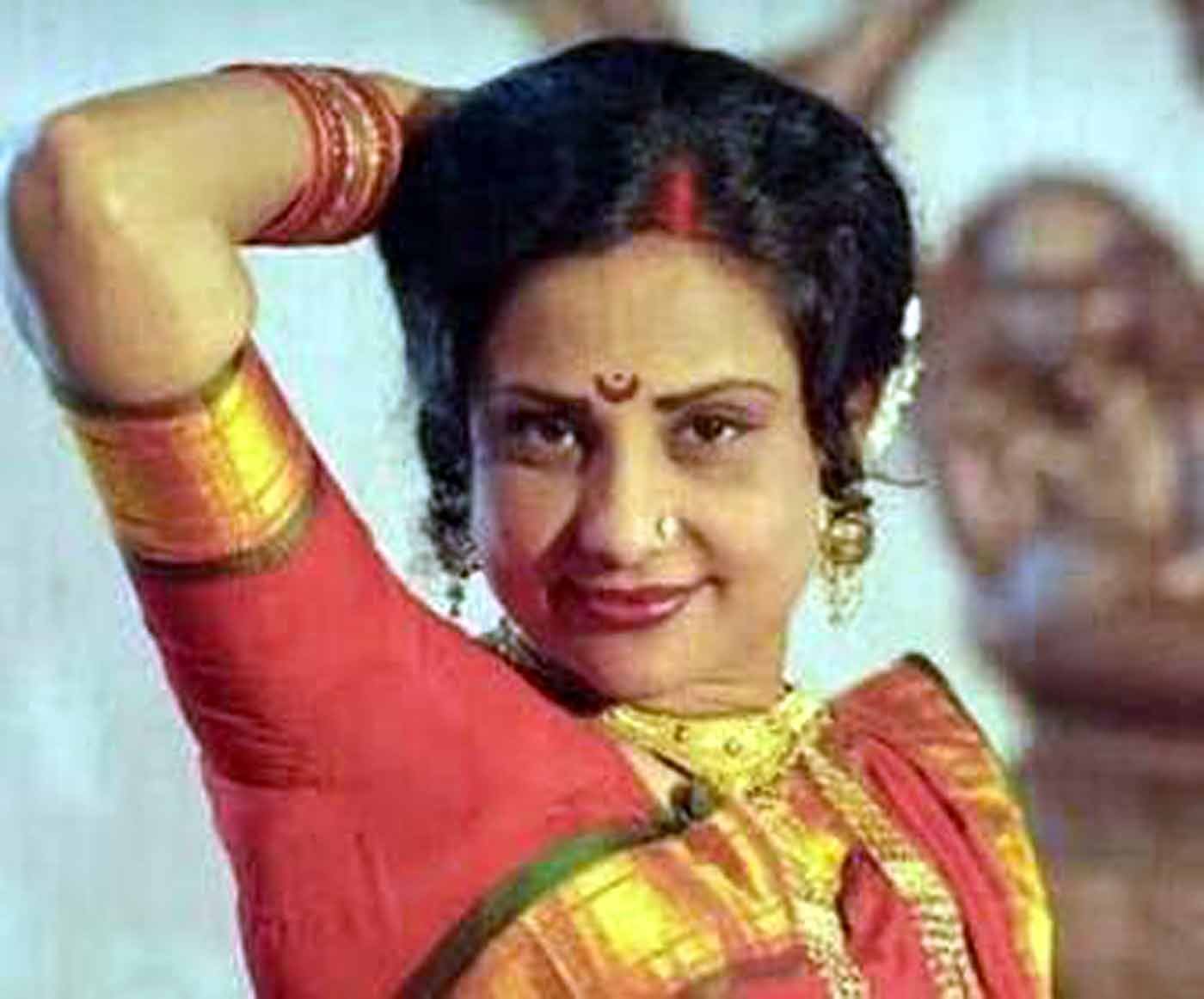
Shraddha Kapoor’s transformation into Vithabai has already drawn widespread praise. Directed by Laxman Utekar, Eetha seeks to chronicle the folk legend’s journey from the 1940s through the 1990s, highlighting both her meteoric rise and the hardships she endured.
Interestingly, the film has also found itself at the centre of a debate even before its release. Members of Vithabai’s family have reportedly objected to the title Eetha, arguing that the biopic should instead bear her name Vithabai to better honour her legacy.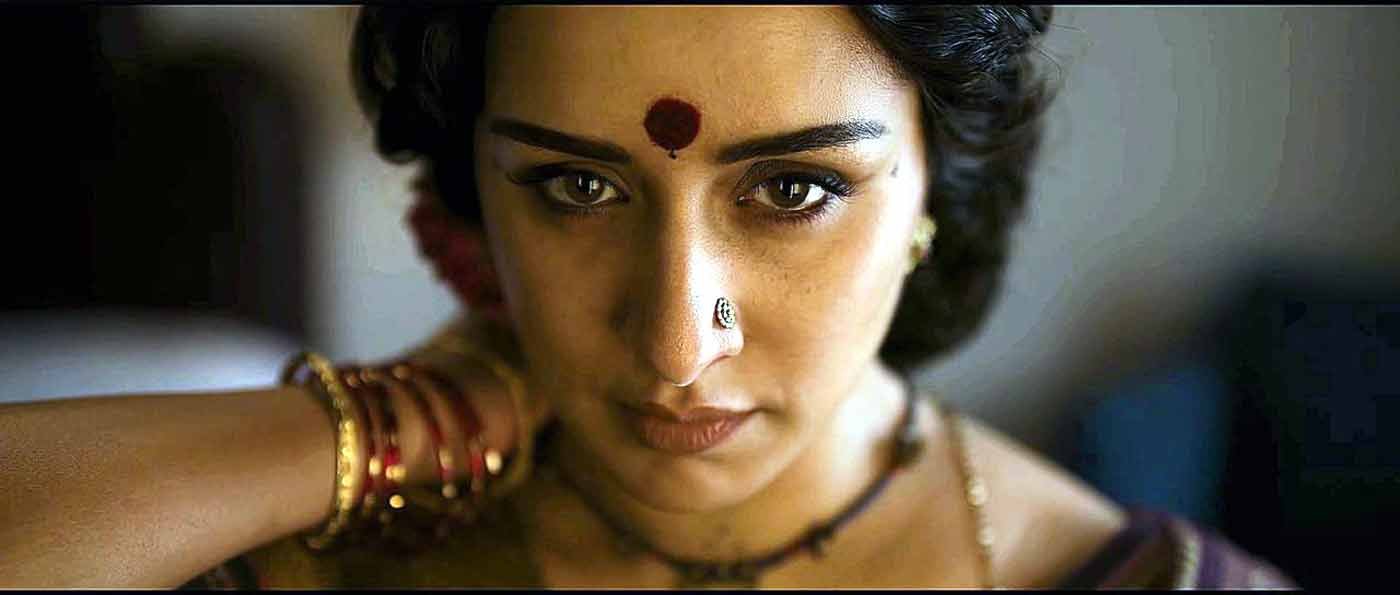
More than a biopic, Eetha promises to introduce a new generation to a woman whose story is far greater than the stage she performed on. She wasn’t just dancing. She was preserving an entire cultural tradition, one performance at a time.