
A dance sequence lasting only a few minutes has sparked a national conversation on art, authenticity, cinema and culture.
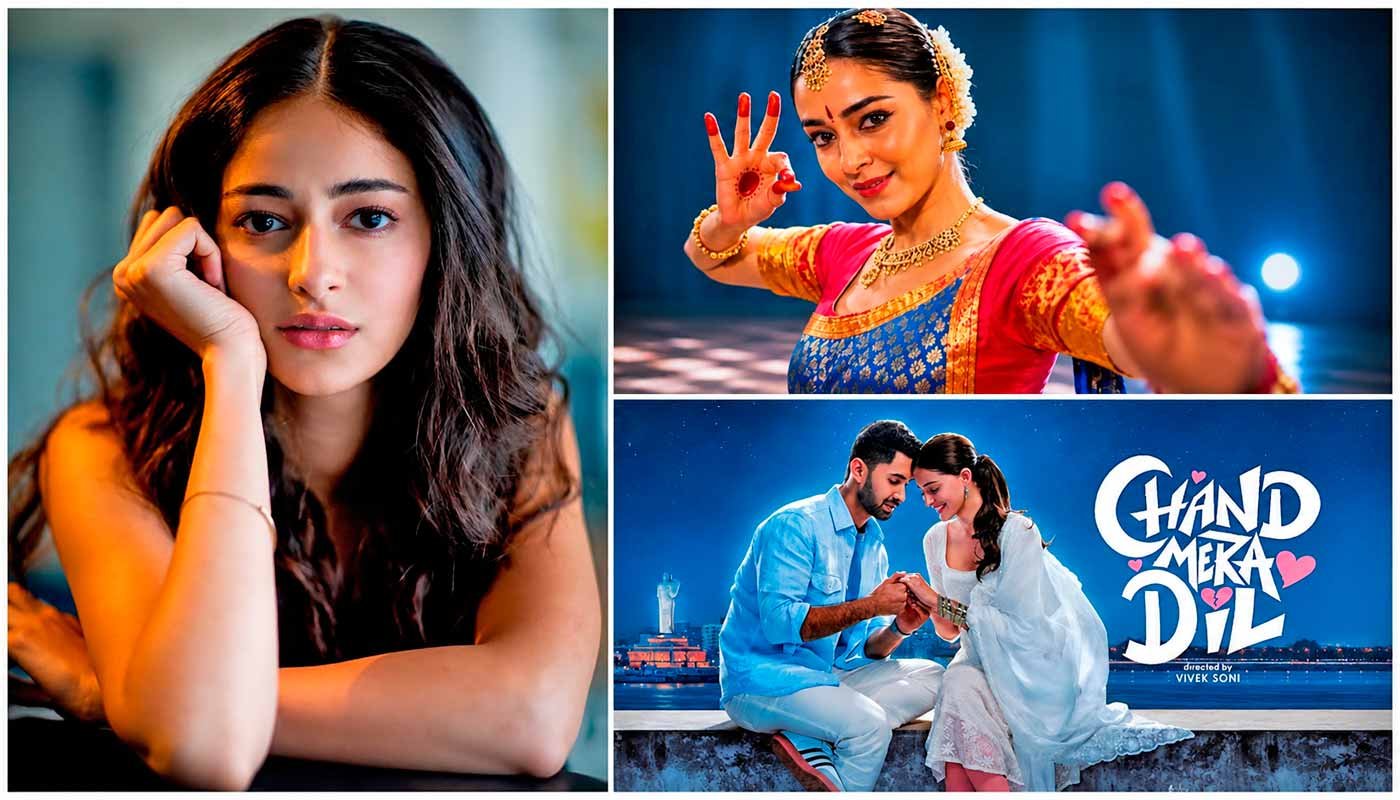
Actor Ananya Panday recently found herself at the centre of a social media storm after clips of her Bharatanatyam-inspired performance in the film Chand Mera Dil went viral. What began as criticism of a dance sequence quickly evolved into a much larger debate involving classical traditions, artistic liberties, Bollywood storytelling, celebrity culture and online trolling.
As criticism mounted, noted dancer and choreographer Sandip Soparrkar came out strongly in support of the actor, calling the outrage “rubbish” and questioning the selective nature of the criticism. His comments have reignited a long-standing discussion about where artistic interpretation ends and cultural preservation begins.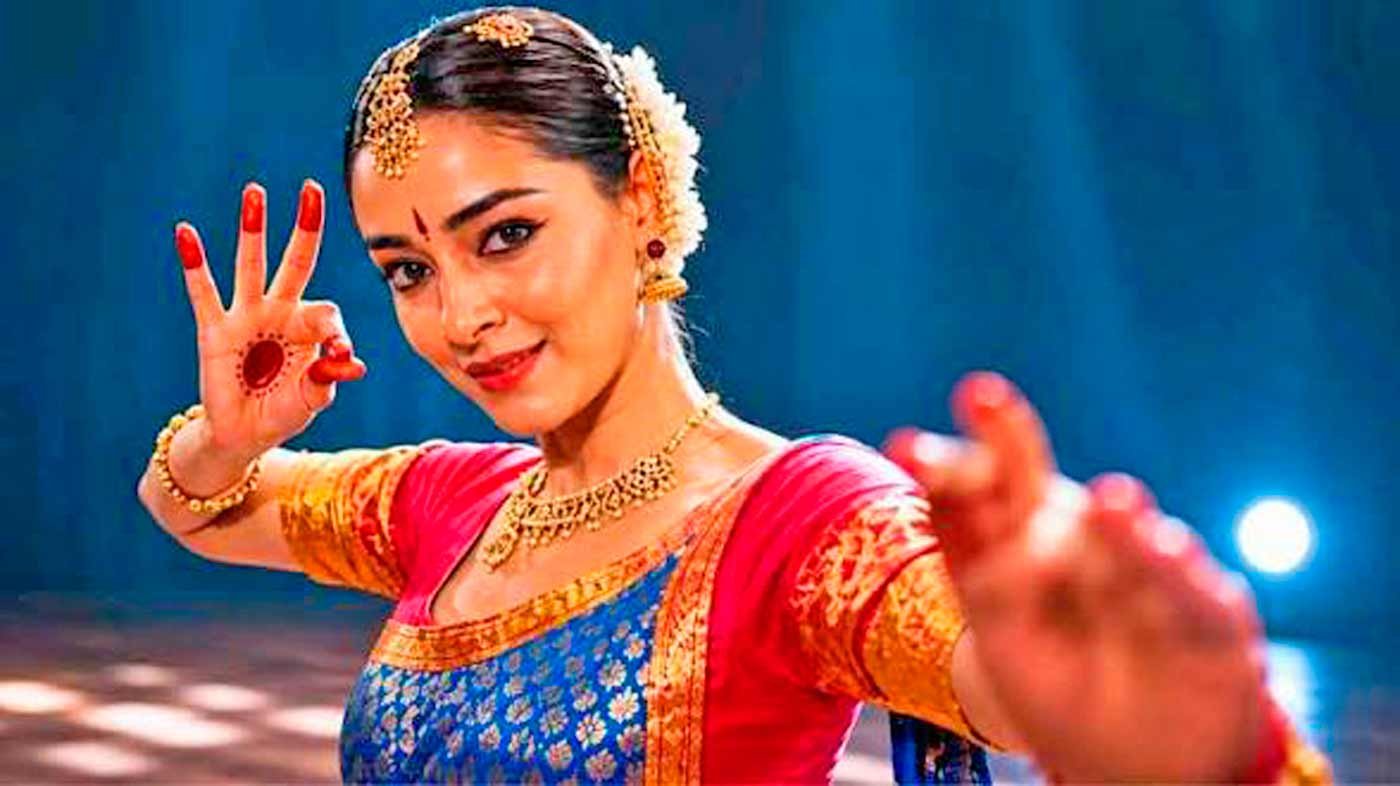
More Than Just a Dance Performance
The reaction to Ananya Panday‘s performance was immediate. Social media users questioned the choreography, the execution and the use of Bharatanatyam-inspired movements within a contemporary cinematic framework. Memes, criticism and comparisons flooded online platforms.
For many critics, the issue was not simply about one performance but about the growing dilution of classical dance traditions in mainstream entertainment. They argued that presenting stylised interpretations of classical forms risks creating misconceptions about the art itself.
However, others believe that the criticism misses an important distinction.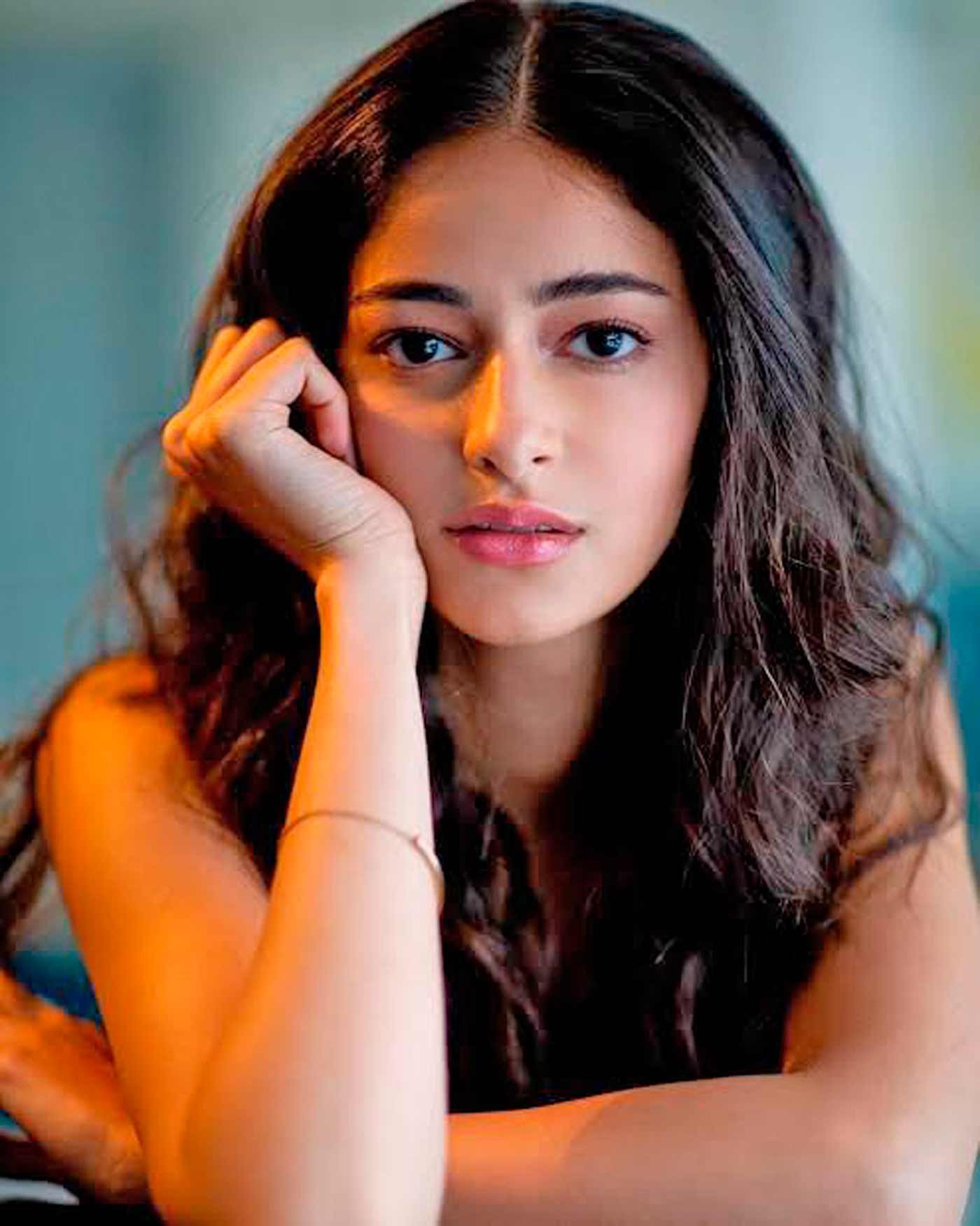
A film dance sequence is not a classical recital.
Cinema has never functioned as a formal institution for preserving traditional art forms. Its purpose is storytelling, emotion, visual appeal and entertainment. Film choreography often borrows elements from various dance styles while adapting them to suit narrative requirements, camera movement, editing and audience expectations.
The Context Behind Sandip Soparrkar’s Defence
Sandip Soparrkar‘s support for Ananya Panday carries personal significance. He revealed that he had mentored her during her formative years and helped prepare her for high-profile international appearances before she entered the film industry.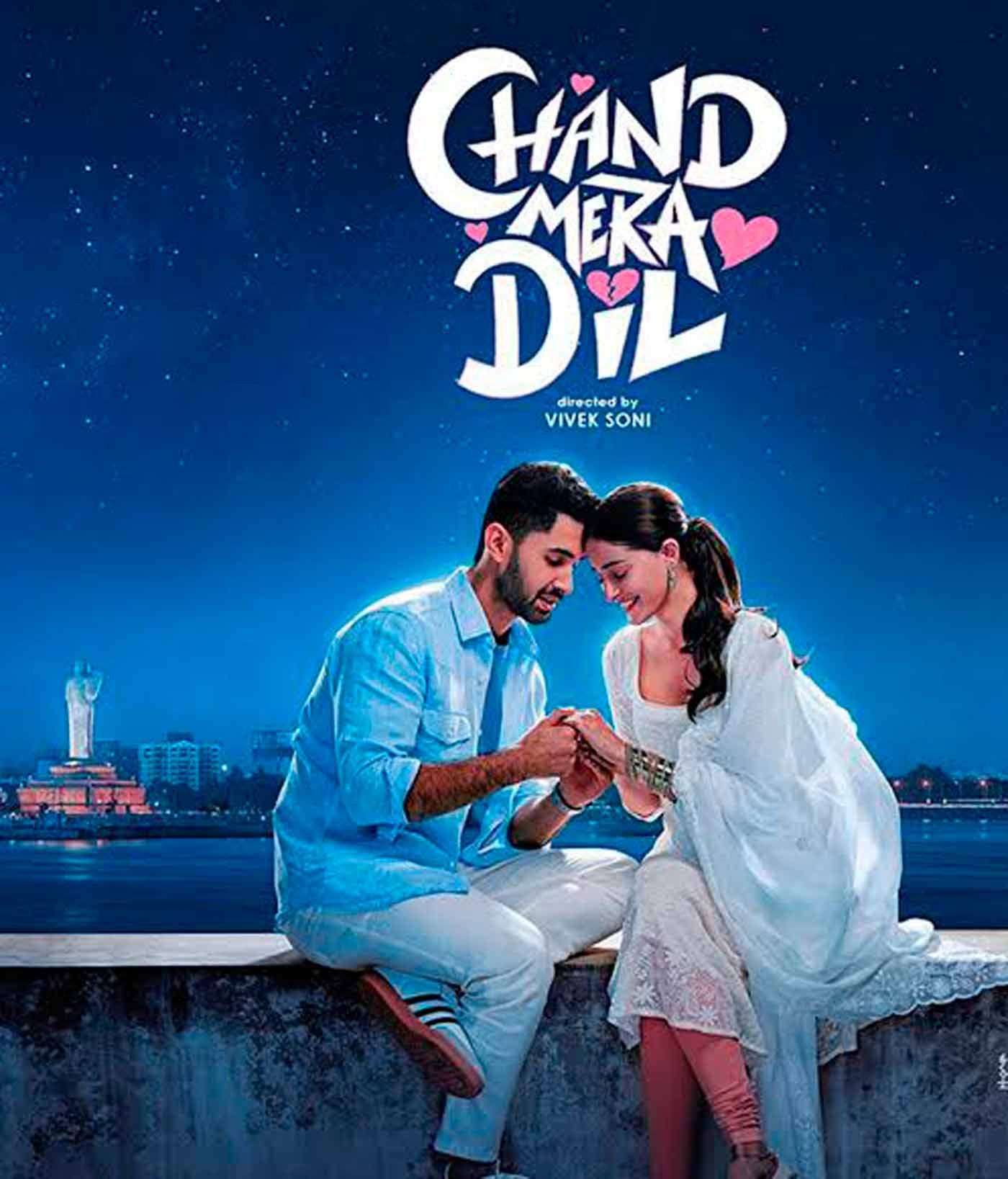
In his view, targeting an actor for performing choreography envisioned by a director and choreographer is misplaced criticism. He argues that actors perform according to the creative vision of a film and should not be judged by the standards applied to a formal classical dance performance.
His larger argument is that critics have remained largely silent while social media platforms and reality shows have spent years blending classical dance with contemporary, commercial and international dance styles. Suddenly singling out one actor, he believes, reflects inconsistency rather than genuine concern for preserving classical traditions.
Bollywood Has Always Reinterpreted Classical Arts
The debate surrounding Ananya Panday is not new.
Hindi cinema has borrowed from Indian classical dance traditions for decades. Some of the most iconic songs and dance sequences in Indian film history have drawn inspiration from Bharatanatyam, Kathak, Odissi and Kuchipudi while simultaneously adapting them for cinematic storytelling.
Very few film performances have been exact reproductions of traditional stage presentations. Directors and choreographers routinely modify movements, expressions, costumes and presentation styles to suit popular audiences.
The same pattern can be seen in music.
Indian classical ragas have long been adapted for film songs. Composers have simplified, modernised and fused classical structures with contemporary arrangements to create music that appeals to wider audiences. While purists have occasionally objected, these adaptations have also introduced generations of listeners to classical melodies.
If complete authenticity had always been the primary goal, many beloved film songs and dance sequences would never have been created.
The Social Media Amplification Effect
What makes this controversy different from similar debates in the past is the role of social media.
Today’s digital ecosystem rewards outrage, instant reactions and viral criticism. A short clip can be isolated from its larger narrative context and judged within seconds by millions of viewers.
Social media has also blurred the boundaries between professional criticism and public ridicule. Constructive discussion about artistic choices often gives way to personal attacks, memes and online shaming.
The intensity of the response directed at Ananya Panday raises questions about whether the debate was truly about Bharatanatyam or whether it was amplified by existing perceptions surrounding celebrity culture and star children in Bollywood.
The Question of Artistic Freedom
At the heart of the controversy lies a question that every traditional art form eventually faces.
Can classical traditions evolve through reinterpretation?
Or must they remain untouched to preserve their integrity?
There is no simple answer.
Classical practitioners understandably seek to protect the authenticity and rich heritage of their art forms. At the same time, artists working in popular culture argue that adaptation and reinterpretation are essential to keeping traditions relevant to contemporary audiences.
History suggests that art has always evolved through dialogue between tradition and innovation.
The challenge is finding a balance where creativity can flourish without losing respect for the original form.
Beyond the Outrage
Whether audiences loved or disliked Ananya Panday’s performance is ultimately a matter of personal taste.
What deserves greater attention is the broader conversation the controversy has triggered. It has prompted discussions about artistic responsibility, cultural gatekeeping, social media behaviour and the role of cinema in presenting traditional art forms.
Criticism is an important part of artistic discourse. Public shaming is not.
As the debate continues, perhaps the more productive approach is to encourage learning, appreciation and informed discussion rather than reducing complex artistic questions to online outrage.
The conversation surrounding Chand Mera Dil is ultimately not about a single dance sequence. It is about how India negotiates the relationship between heritage and popular culture in an age where every performance can become a national talking point overnight.