

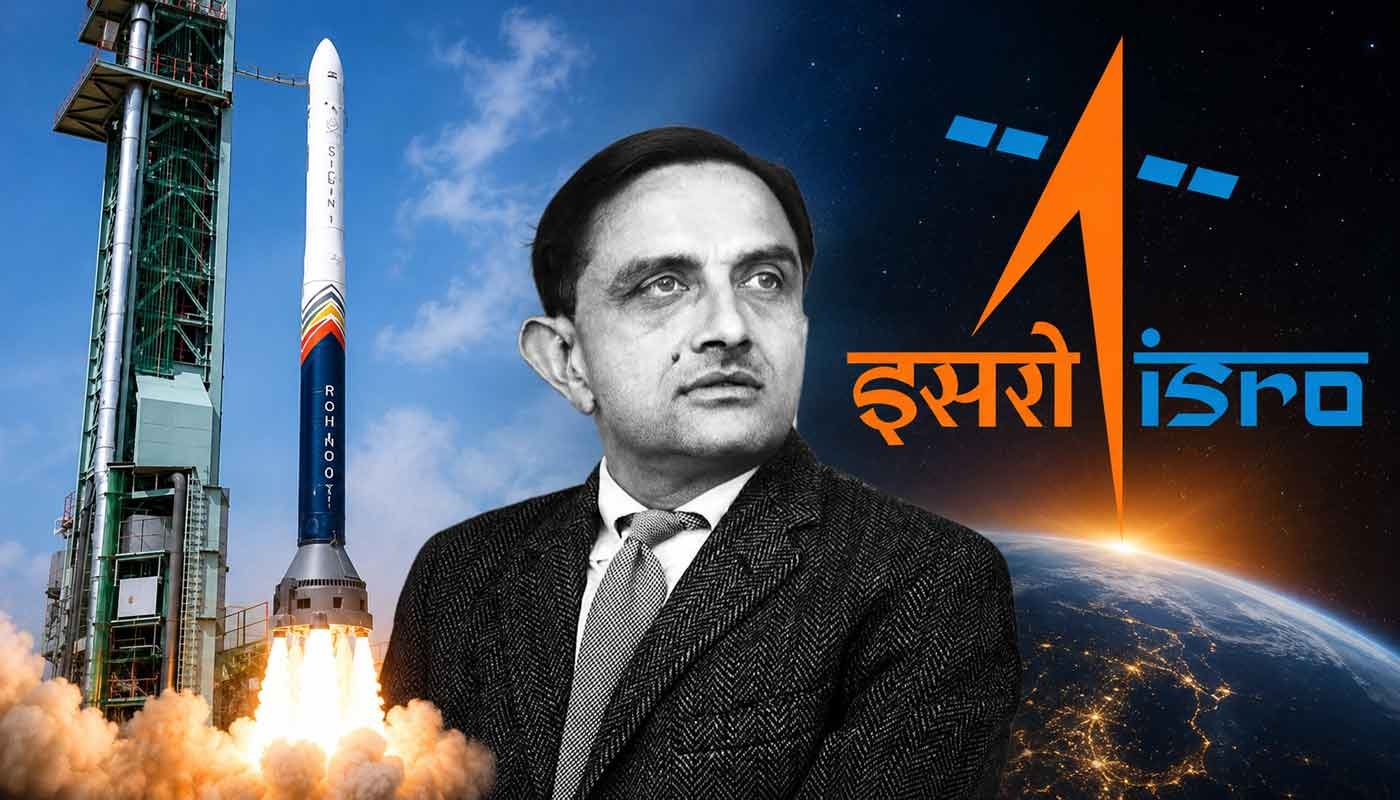
India’s private space sector is preparing for one of its biggest milestones yet. On July 18, Hyderabad-based startup Skyroot Aerospace is scheduled to launch Vikram-1, India’s first privately developed orbital rocket, from the Satish Dhawan Space Centre in Sriharikota. Named Mission Aagaman, the launch represents a defining moment for the country’s rapidly growing commercial space ecosystem.
If successful, Vikram-1 will make Skyroot Aerospace the first Indian private company to place a rocket into orbit, opening a new chapter in India’s journey as a global space power.
A New Era for India’s Space Industry
For decades, India’s space achievements were driven almost exclusively by ISRO, whose missions, from Chandrayaan to Mangalyaan, earned worldwide recognition for their scientific success and cost efficiency. However, the opening of India’s space sector to private companies has sparked a wave of innovation. Startups like Skyroot Aerospace are now working alongside the country’s public space programme to develop launch vehicles, satellites, propulsion systems, and space technologies for commercial markets.
Mission Aagaman is one of the clearest signs yet that India’s private space ambitions are becoming reality.
What Is Vikram-1?
Named after the father of India’s space programme, Dr. Vikram Sarabhai, Vikram-1 is a three-stage launch vehicle designed to carry small satellites into low Earth orbit.
The rocket has been developed almost entirely by Skyroot’s engineering team, incorporating advanced materials, 3D-printed components, and modern propulsion technologies aimed at reducing launch costs while improving efficiency. The mission also follows Skyroot’s successful Vikram-S suborbital test flight in 2022, which became India’s first privately built rocket to reach space.
Mission Aagaman Ready for Liftoff
According to the company, all required airspace and maritime clearances have been secured, paving the way for the historic launch from Sriharikota.
The mission is expected to demonstrate the rocket’s complete orbital capabilities and strengthen confidence in India’s emerging private launch industry. A successful flight would also position India as a stronger competitor in the rapidly expanding global market for launching small satellites, where demand continues to rise from governments, universities, and commercial space companies.
Why This Launch Matters
The global space economy is projected to grow into a trillion-dollar industry over the coming decades. As more countries invest in satellites for communication, Earth observation, navigation, and scientific research, affordable launch services have become increasingly valuable. By developing indigenous launch capabilities through private companies, India has the opportunity to attract international customers while creating high-skilled jobs, fostering innovation, and strengthening its technological leadership.
For Hyderabad-based Skyroot Aerospace, Mission Aagaman is more than just a rocket launch. It is proof that Indian startups can dream on a global scale and build technologies capable of competing with some of the world’s leading private space companies. As the countdown begins, all eyes will be on Sriharikota.
Because on July 18, Vikram-1 won’t just be carrying payloads into orbit, it will be carrying the aspirations of India’s growing private space industry into a new frontier.