

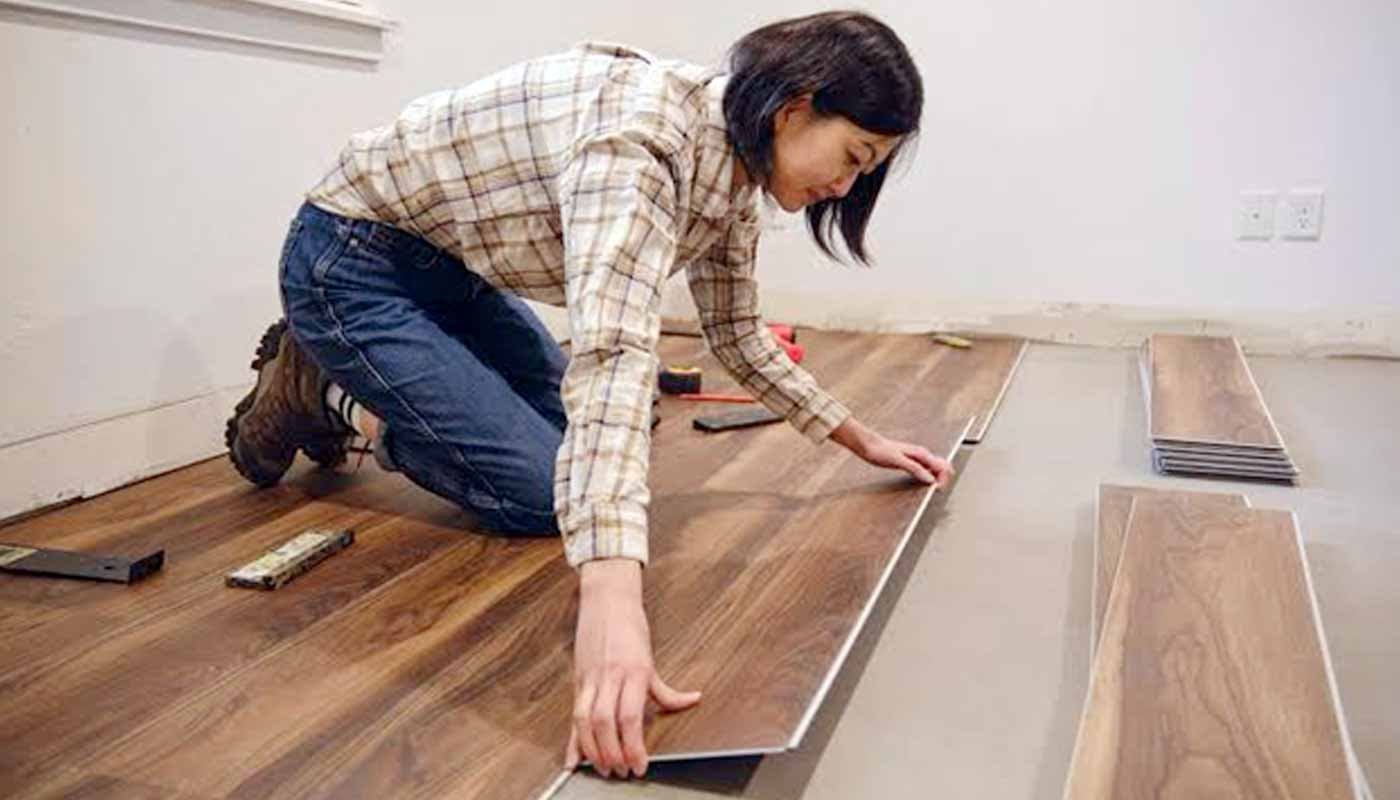
When we think of beautiful interiors, our minds often jump to imported Italian marble, engineered wooden floors, or glossy vitrified tiles. Yet, long before these became symbols of luxury, India had already perfected the art of flooring.
Crafted by skilled artisans and designed to withstand the country’s diverse climate, traditional Indian flooring wasn’t just beautiful—it was practical, sustainable, and built to last for generations. Today, as homeowners increasingly embrace earthy aesthetics and eco-conscious living, these age-old flooring styles deserve a well-earned revival.
Kavvi Flooring: Art Beneath Your Feet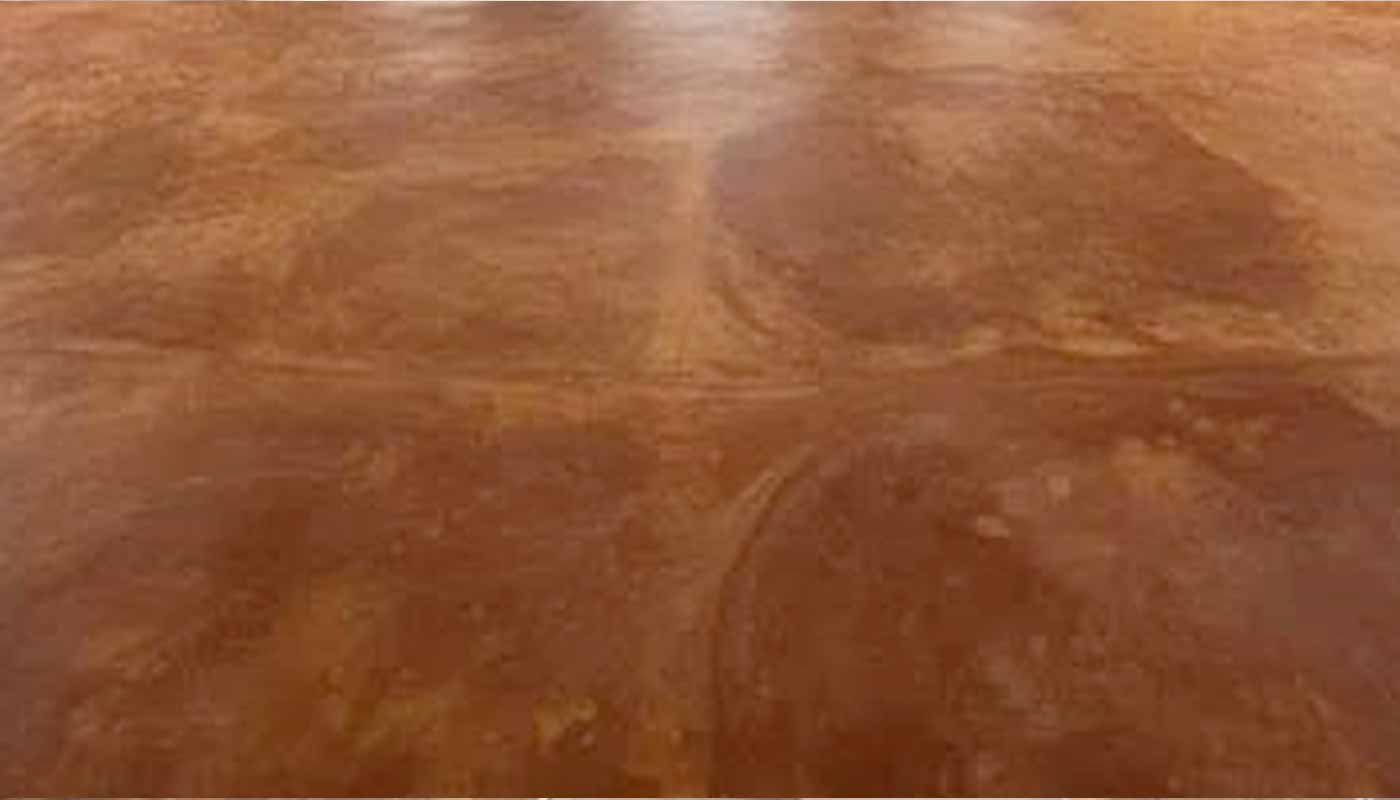
Found primarily in Goa and parts of coastal Karnataka, Kavvi flooring is one of India’s most distinctive traditional finishes. Made using laterite stone powder, lime, and natural pigments, its signature deep terracotta-red surface is hand-polished until it develops a soft sheen.
Rather than relying on expensive imported materials, Kavvi celebrates simplicity. Its earthy colour palette instantly adds warmth to a space while beautifully complementing wooden furniture, brass décor, and traditional architecture. Every floor is handcrafted, making no two homes exactly alike.
Kota Stone: The Floor That Refuses to Age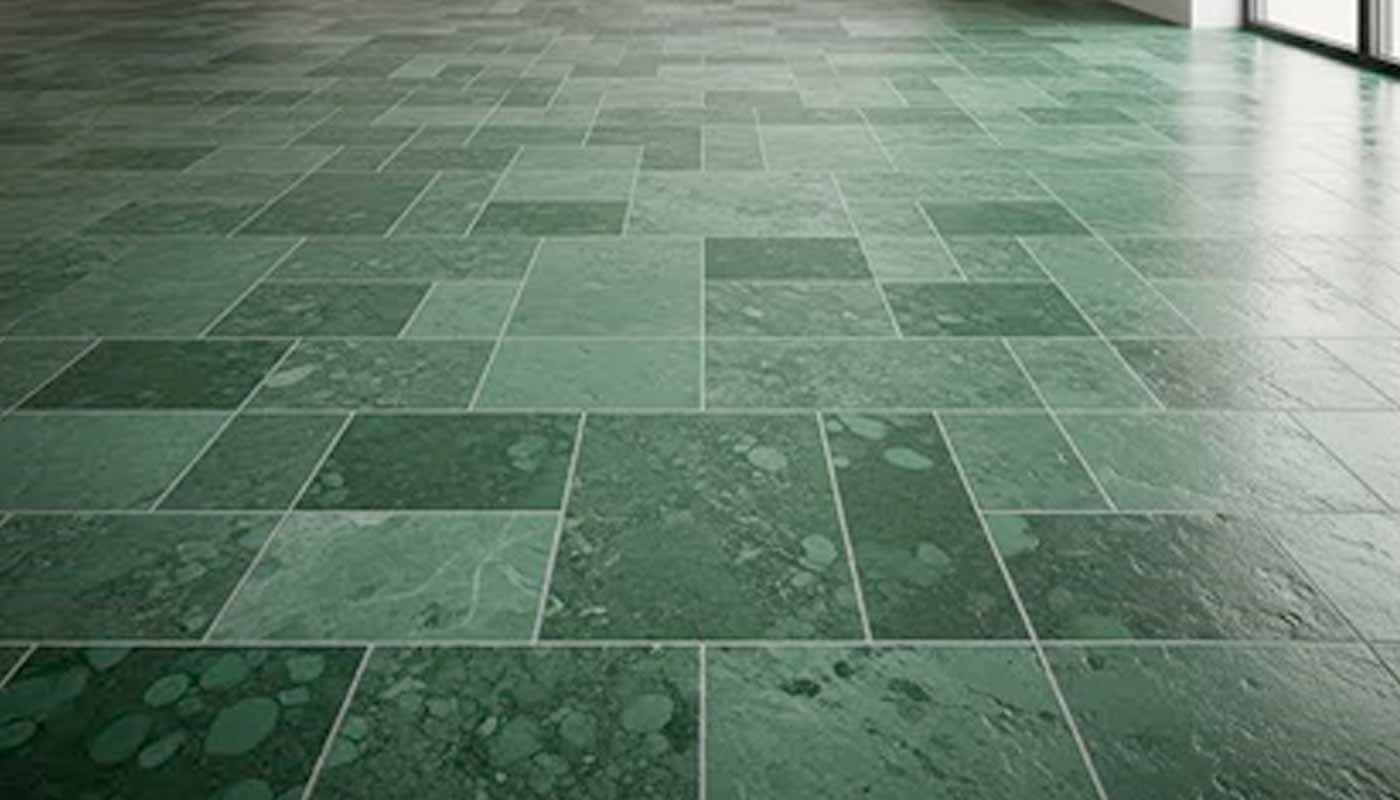
Ask any architect about timeless Indian flooring, and Kota stone is likely to top the list.
Quarried in Rajasthan, this limestone is famous for its exceptional durability and naturally cool surface—making it ideal for India’s hot summers. Available in soothing shades of blue, green, and grey, Kota stone develops a gentle patina over time instead of losing its charm.
Found in schools, railway stations, government buildings, and heritage homes alike, its longevity has become legendary. A well-maintained Kota floor can easily last for decades.
Terracotta: Where Earth Meets Home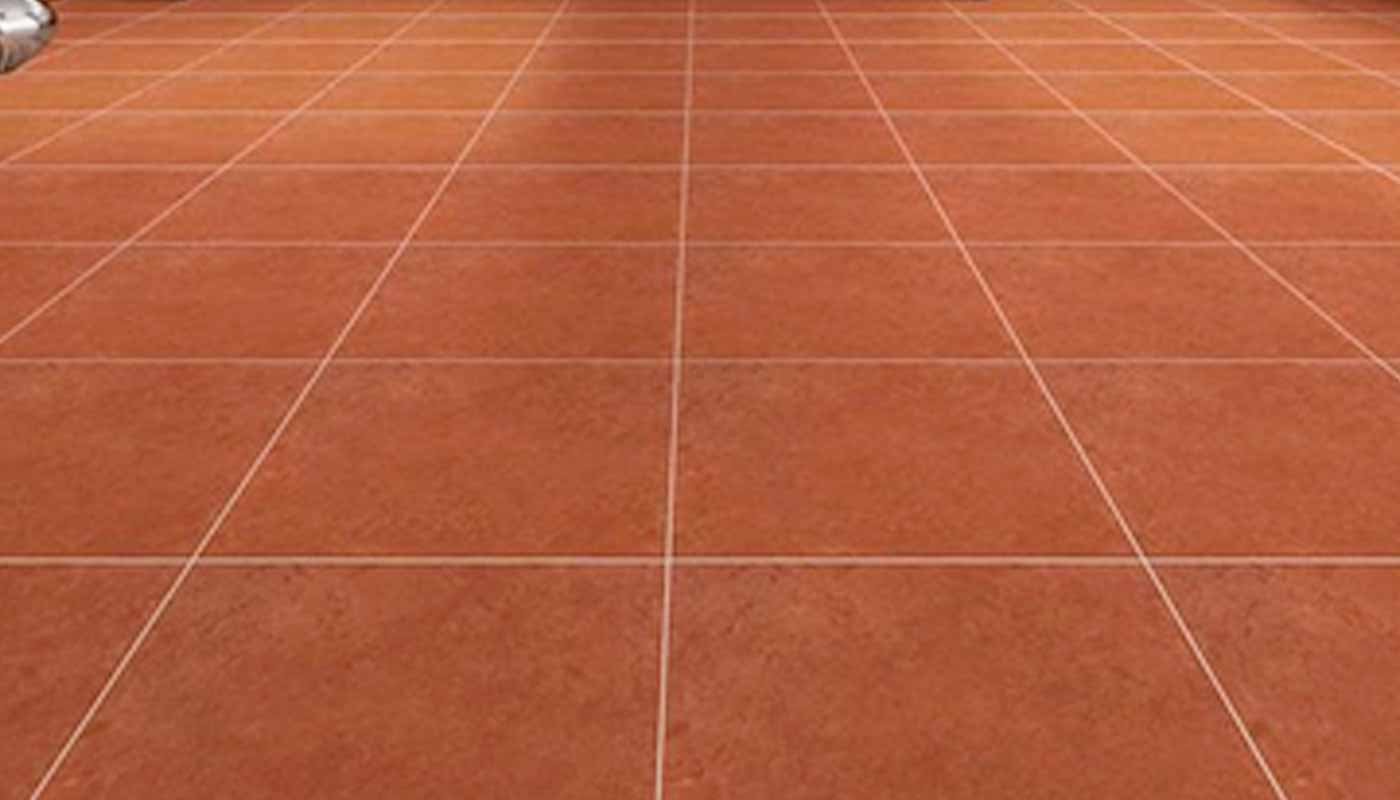
Few materials feel as organic as terracotta.
Crafted entirely from natural clay and baked in traditional kilns, terracotta flooring brings warmth, breathability, and rustic elegance into a home. Its porous nature helps regulate indoor temperatures, keeping interiors cooler during scorching summers while creating a cosy atmosphere in winter.
As sustainable architecture gains momentum, terracotta has quietly returned as a favourite among eco-conscious designers.
Jaisalmer Stone: Rajasthan’s Golden Treasure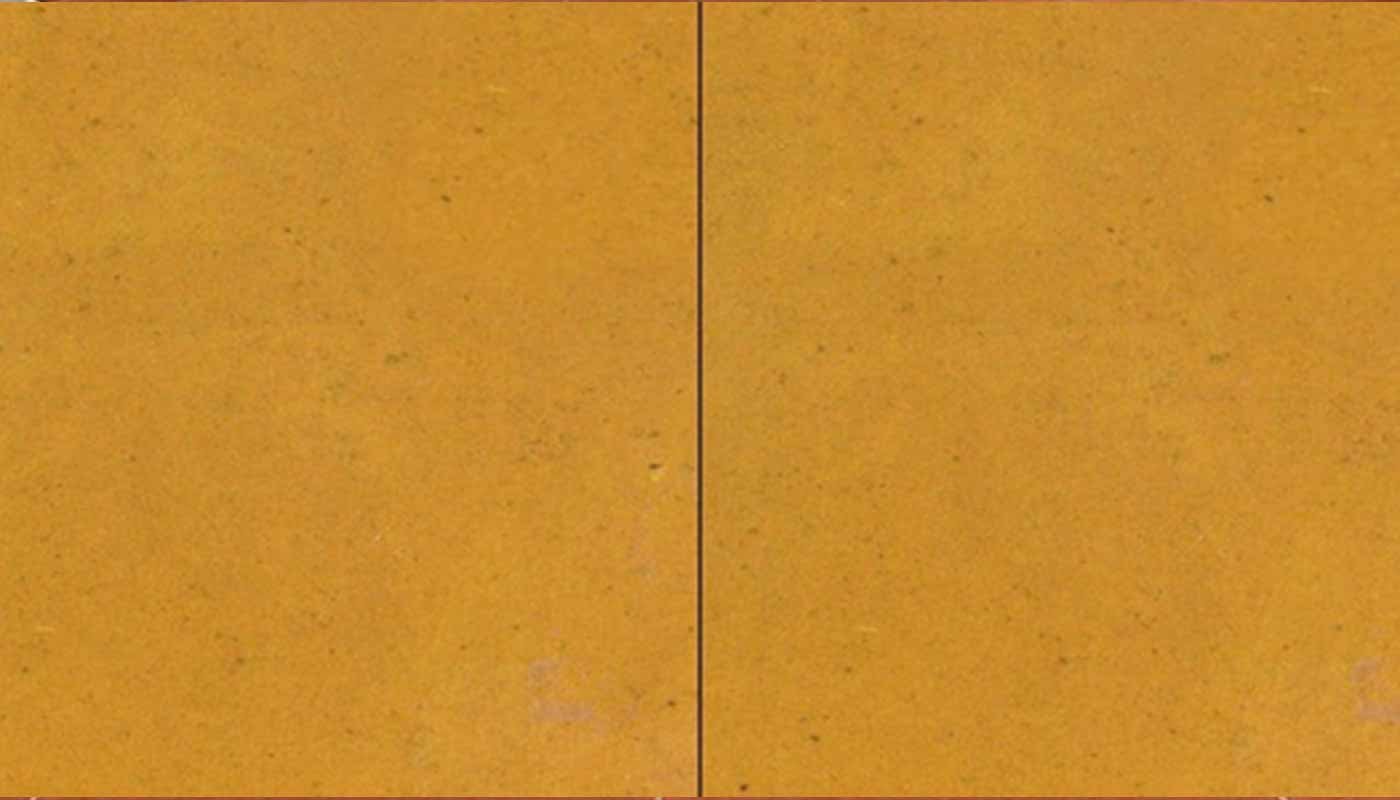
Often called the “Golden Stone of India,” Jaisalmer sandstone captures the warm hues of the Thar Desert.
Its soft golden colour reflects natural light beautifully, making rooms appear brighter and more spacious. Over the years, the stone develops a graceful weathered finish, giving homes an elegance that only time can create.
It remains a favourite for courtyards, villas, heritage hotels, and luxury residences.
Athangudi Tiles: Handcrafted Works of Art
Originating in Tamil Nadu’s Chettinad region, Athangudi tiles are perhaps India’s most artistic flooring tradition.
Unlike factory-made tiles, each Athangudi tile is handmade using local sand, cement, and vibrant natural pigments. They are cured under the sun rather than fired in industrial kilns, making them remarkably sustainable.
Their intricate floral motifs, geometric patterns, and vivid colours have become synonymous with Chettinad mansions, yet they fit just as effortlessly into contemporary homes seeking a touch of heritage.
Swadeshi Tiles: A Legacy of Self-Reliance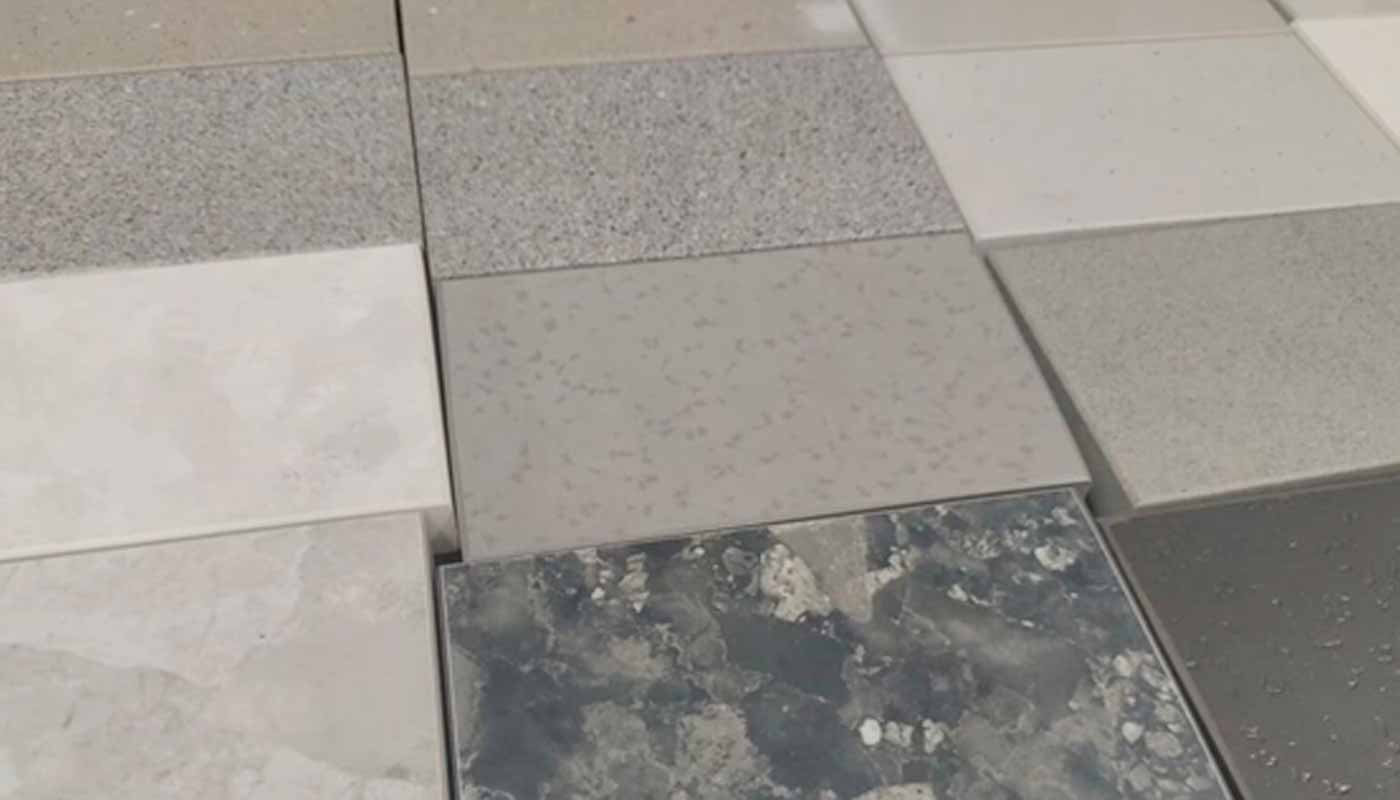
Born during India’s Swadeshi movement, these patterned cement tiles symbolised more than craftsmanship—they represented economic independence.
Produced locally using hand-operated presses, Swadeshi tiles introduced bold colours and intricate motifs into Indian homes while reducing dependence on imported materials. Today, their vintage aesthetic perfectly complements the growing popularity of maximalist interiors and heritage-inspired décor.
Indian Terrazzo: Beauty Cast in Stone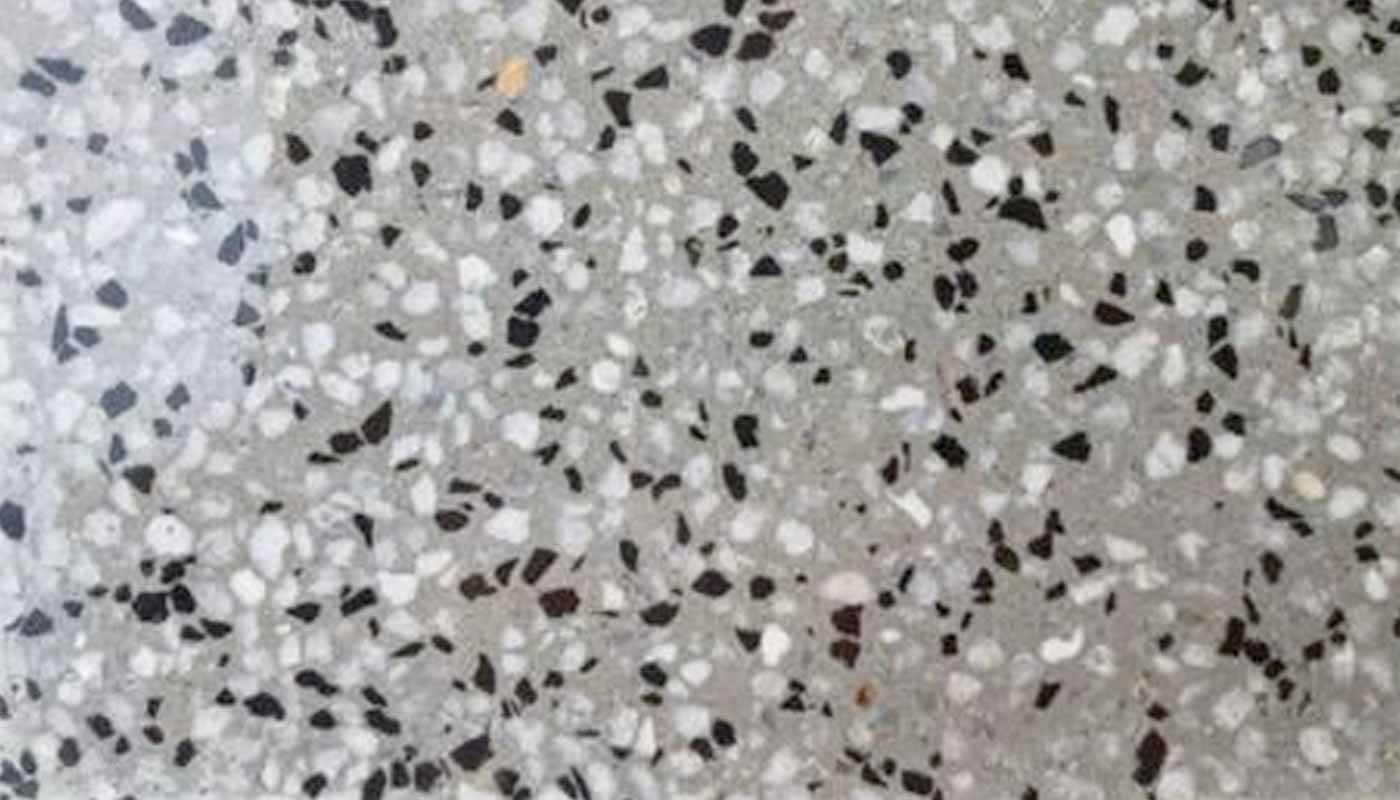
Long before terrazzo became an international design trend, Indian homes had already embraced it.
Indian terrazzo combines marble, granite, quartz, or coloured stone chips with cement to create smooth, seamless floors that are both elegant and exceptionally durable. Unlike many modern flooring options, terrazzo requires minimal maintenance while offering limitless design possibilities through customised colours and patterns.
It has quietly adorned schools, hospitals, cinemas, and family homes for generations.
More Than Just Flooring..
These traditional flooring styles tell stories of local geology, regional craftsmanship, climate-responsive architecture, and generations of skilled artisans. They remind us that sustainability isn’t a new concept—it’s something India mastered centuries ago.
As contemporary design increasingly favours authenticity over excess, these forgotten floors are finding their way back into modern homes. Perhaps luxury isn’t always imported. Sometimes, it’s been beneath our feet all along.