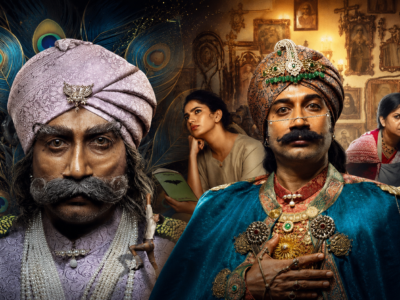


After days of criticism over Janhvi Kapoor‘s portrayal in Peddi, director Buchi Babu Sana has apologised and promised changes. What does this mean for Telugu cinema and audience accountability?
In a development few expected when Peddi hit theatres, director Buchi Babu Sana has publicly acknowledged the growing criticism surrounding Janhvi Kapoor‘s character Achiyamma, apologised to audiences who felt uncomfortable, and announced that changes would be made to portions of the film that triggered the backlash.
The statement marks a significant turning point in a controversy that has dominated conversations around the film for days.
What began as criticism from reviewers, audiences and social media users has now resulted in a rare public response from the filmmaker himself.
More importantly, it represents something Telugu cinema has not always been willing to do — listen.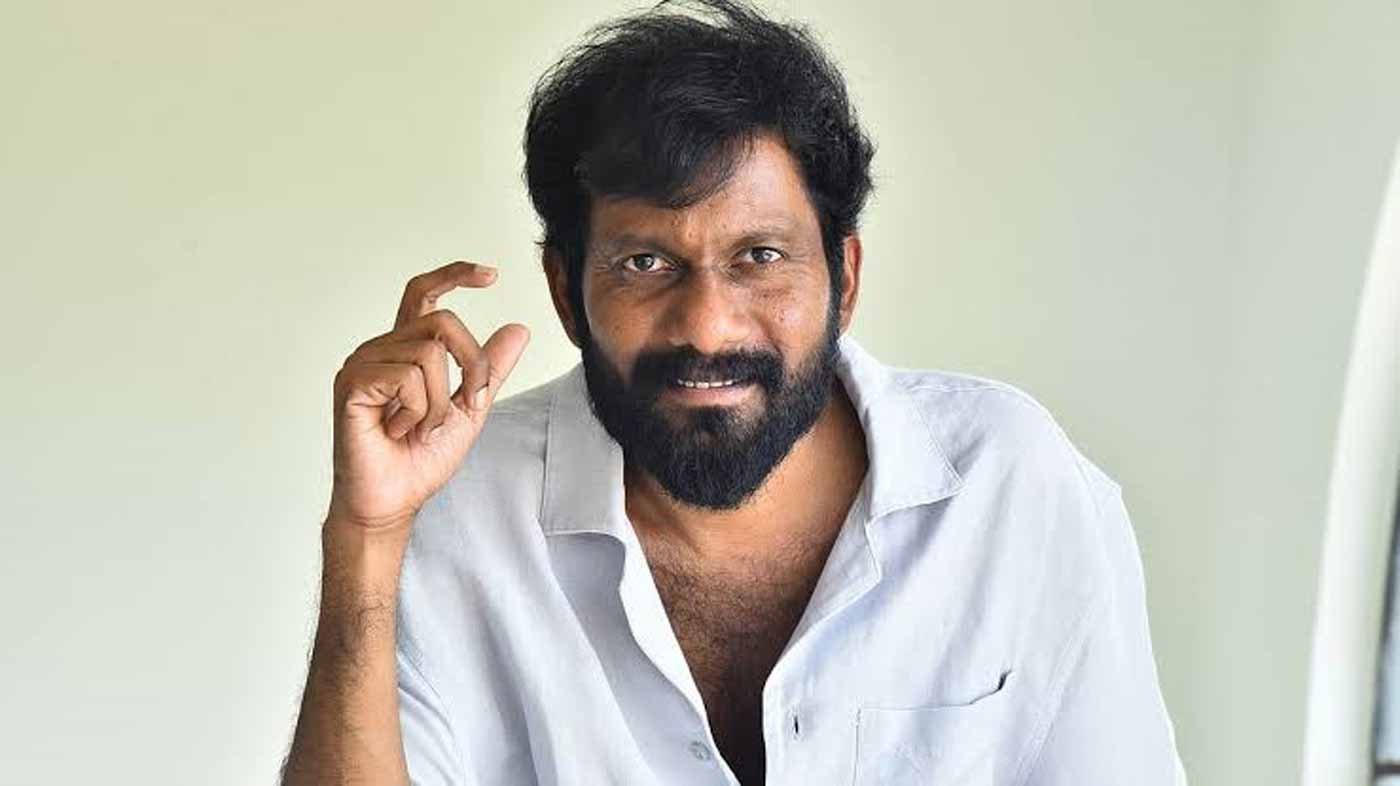
The Backlash That Refused to Go Away
Since the film’s release, discussion around Peddi has extended far beyond its sporting drama, emotional narrative and Ram Charan‘s performance.
A growing section of viewers questioned the way Achiyamma was written and presented on screen. Critics pointed to a lack of agency, excessive focus on physical appearance and scenes that many felt reflected outdated attitudes towards romance and female characters.
FridayWall’s article, Why Janhvi’s Role Is Wrong on So Many Levels, argued that the issue was never about screen time.
It was about purpose.
While the film invested heavily in building Peddi’s world and emotional journey, Achiyamma appeared to exist largely in relation to the hero rather than as a fully realised individual.
The criticism resonated with audiences far beyond traditional film-review circles.
What followed was an unusually intense public conversation around representation, objectification and accountability in mainstream cinema.
A Rare Admission From a Director
Filmmakers often respond to criticism by defending their choices.
Some dismiss it as social media noise.
Others wait for the controversy to fade.
Buchi Babu Sana chose a different path.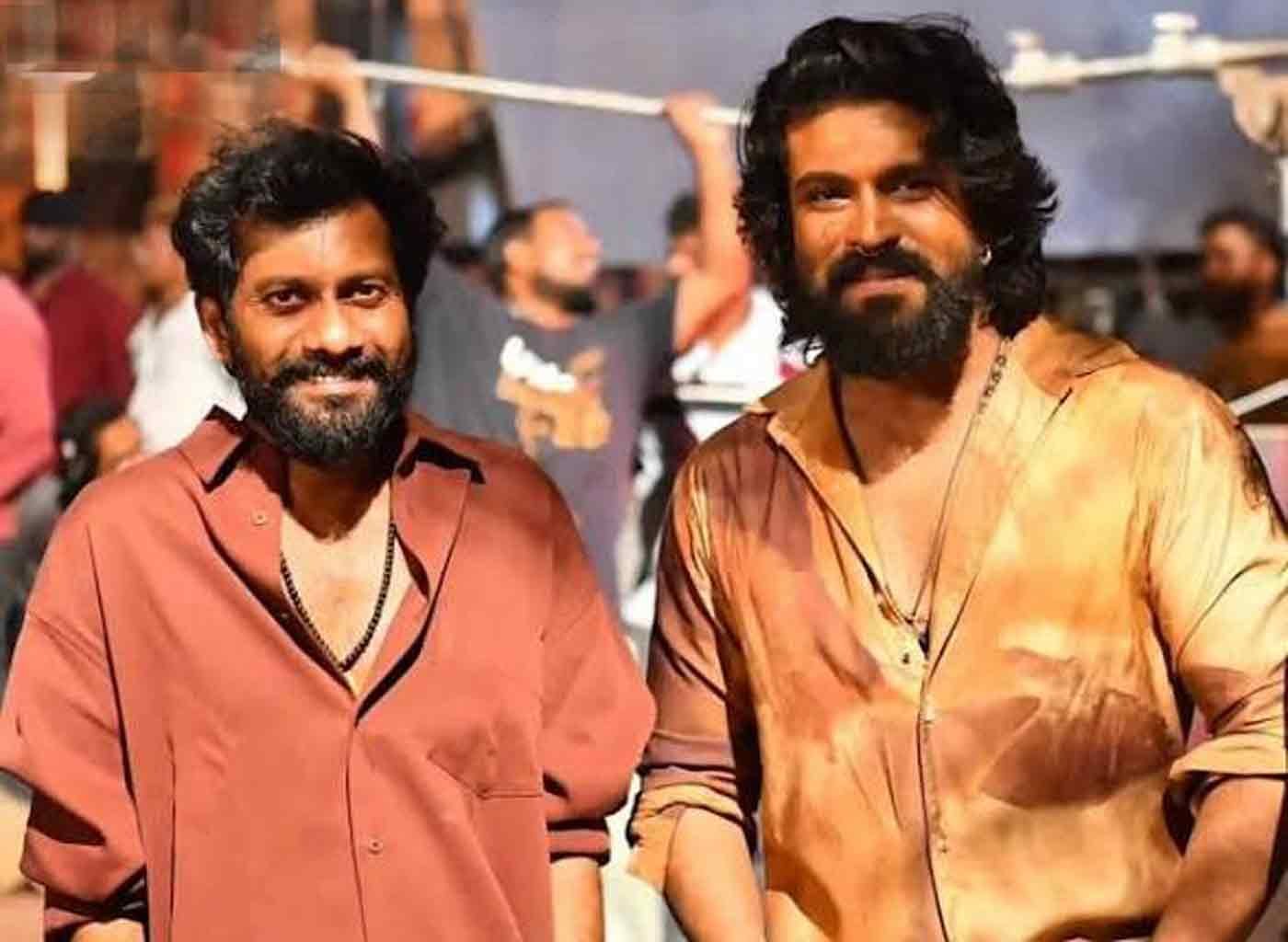
In a statement shared on social media, the director said that cinema should never make viewers feel uncomfortable or disrespected and acknowledged the concerns raised regarding certain scenes in Peddi. He apologised to those who felt hurt and revealed that the team had decided to make changes after reviewing audience feedback.
That decision alone makes this story important.
Directors do not alter films because a handful of people complain online.
They do so when criticism reaches a scale that can no longer be ignored.
The apology therefore serves as an acknowledgement that audience concerns were legitimate enough to warrant action.
When Audiences Influence Cinema
Perhaps the most interesting aspect of the Peddi controversy is not the backlash itself.
It is the fact that the backlash appears to have worked.
For years, conversations around the portrayal of women in commercial cinema have often been treated as niche concerns.
Peddi demonstrates how dramatically that landscape has changed.
Viewers today are more vocal, more aware and less willing to accept female characters who exist solely as decorative additions to male-driven narratives.
The public reaction to Achiyamma suggests that audiences are no longer judging films only on technical excellence, performances or box-office numbers.
They are also evaluating the values embedded within the storytelling.
That shift is impossible for filmmakers to ignore.
The Bigger Story
The significance of Buchi Babu Sana‘s statement extends beyond Peddi.
It signals a changing relationship between audiences and filmmakers.
Viewers are no longer passive consumers willing to accept every creative decision without question.
They are active participants in the conversation.
And increasingly, they expect accountability.
The controversy surrounding Janhvi’s role as Achiyamma may eventually fade.
The changes promised by the makers may address some of the immediate criticism.
But the larger questions raised by Peddi will remain.
How much responsibility do stars bear for the characters they choose?
How much influence should audiences have over problematic portrayals?
And why does mainstream Indian cinema still struggle to create female characters with the same depth routinely afforded to its male heroes?
Those are questions far bigger than one film.
Ironically, they may become Peddi’s most lasting legacy.
Buchi Babu Sana deserves credit for responding to criticism rather than dismissing it.
Whether audiences accept the apology or the promised changes is a different matter.
What cannot be denied is that the controversy has already achieved something unusual.
It has forced a mainstream filmmaker to publicly acknowledge that audiences expect better.
In an industry often accused of not listening, that may be the most important development of all.